

How Veterinary Dentistry Improves Staff Engagement and Productivity
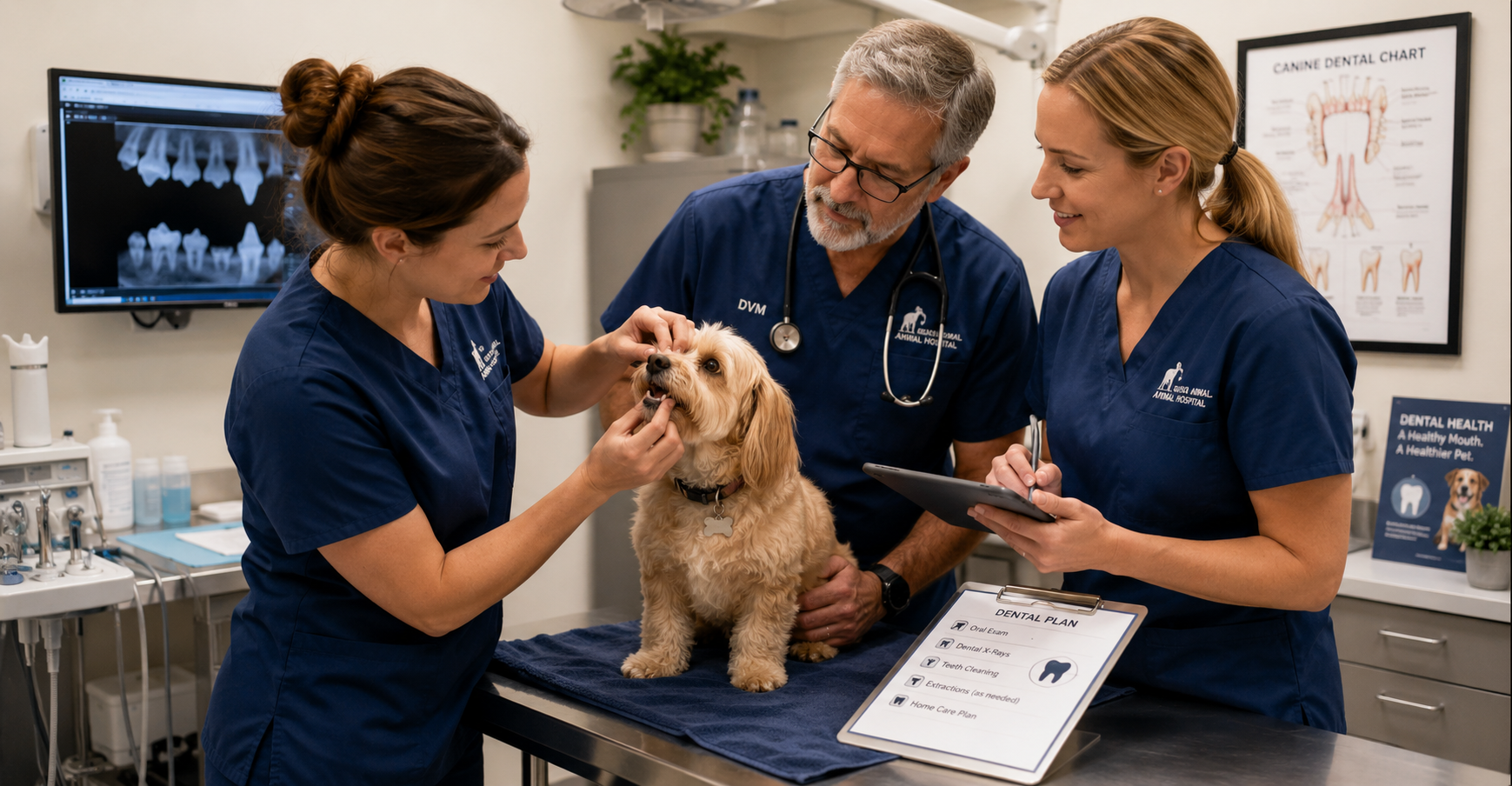
Veterinary Dental Care Supports Team Growth and Retention
Ask most veterinary professionals why dentistry matters, and you'll hear plenty about periodontal disease, oral pain, and improved patient health. What you may hear less often is this:
A strong dental program can also strengthen the veterinary team.
I know how that sounds, but stick with me.
In a profession where burnout, staffing shortages, and compassion fatigue continue to challenge practices of every size, dentistry offers something many teams are searching for:
- Meaningful work
- Skill development
- Collaboration
While dentistry certainly benefits patients and clients, it can also become one of the most rewarding areas of practice for veterinarians, technicians, and support staff alike.
Giving Technicians the Opportunity to Practice at a Higher Level
Veterinary technicians are highly skilled professionals, yet many teams struggle with fully utilizing those skills. Dentistry offers technicians opportunities to become deeply involved in patient care before, during, and after procedures.
Depending on state regulations and practice protocols, technicians often play critical roles in:
- Patient preparation and anesthesia monitoring
- Dental charting and radiography
- Scaling and polishing
- Recovery monitoring
- Client education
Rather than performing the same routine tasks throughout the day, dental technicians can engage in more advanced, hands-on work.
For many team members, that increased responsibility brings greater job satisfaction.
When people are trusted to use their skills, they become more invested in both their work and their patients.
The Moment Things Change: Seeing What’s Hidden
One of the most rewarding moments during a dental procedure often happens when the first radiographs appear on the screen.
A tooth that looked relatively normal externally may reveal severe bone loss. A fractured tooth may show a damaged root. A cat with mild tartar may have advanced resorptive lesions.
These discoveries create valuable learning opportunities for the entire team.
Dental radiography turns procedures into diagnostic investigations rather than routine cleanings. Team members begin asking questions:
- What are we seeing?
- Why is this happening?
- What treatment options are available?
- How can we improve this patient's comfort?
Those moments build clinical confidence and encourage continued learning.
Over time, your team becomes better at recognizing pathology, discussing findings, and contributing to patient care decisions.
Immediate Results Create Meaningful Work
Veterinary medicine can sometimes feel emotionally challenging because progress isn't always obvious.
Chronic disease management takes time. Behavioral improvements may take months. Long-term treatment plans often unfold gradually.
Dentistry is different.
A patient may arrive with severe tartar, inflammation, infection, or oral pain and leave significantly more comfortable the very same day.
The team can see the difference. Clients often notice the difference quickly. And perhaps most importantly, staff members know they helped relieve pain that may have gone unnoticed for months or years.
Those experiences matter.
They remind your team why they entered the field in the first place.
Creating More Predictable Days
Anyone who has worked in veterinary medicine knows that unpredictability is part of the job.
Emergencies happen. Schedules change. Appointments run long.
While no service completely eliminates those challenges, well-organized dental programs can add welcome structure to the workday. Dedicated dental appointments often create:
- Predictable procedure blocks
- Clear team assignments
- Consistent equipment setups
- Efficient patient flow
Your team knows their role. Supplies are prepared. Expectations are clear.
Instead of constantly reacting, your team spends more time working together with purpose.
Investing in Growth Keeps Teams Engaged
Few things improve retention as much as professional growth. Dental programs often encourage continuing education opportunities, such as:
- Dental radiography training
- Anesthesia education
- Dentistry certifications
- Wet labs and hands-on courses
When you invest in these areas, employees often feel valued and supported.
A technician who develops expertise in dentistry may become a mentor, trainer, or internal resource for the rest of the team. That sense of ownership can significantly improve engagement and long-term retention.
In an industry facing staffing challenges, opportunities for growth matter.
Building a Culture Around Better Care
The most successful dental programs become more than a service line. They become part of the practice culture.
Technicians become advocates for dental education. Doctors collaborate on treatment planning. Clients receive more consistent recommendations.
That sense of purpose can strengthen teamwork and create a culture centered around delivering better care.
Dentistry Is About More Than Procedures
It's easy to measure dentistry by production numbers, procedure counts, or equipment investments. But those metrics only tell part of the story. Every dental procedure is also an opportunity:
- To help a pet live more comfortably.
- To strengthen a technician's skills.
- To build confidence within the team.
- To create meaningful work.
- To support professional growth.
Dentistry isn't simply a revenue center. It's a service that allows your team to practice at a higher level while making a real difference in their patients' lives.
And when your team feels challenged, supported, and connected to their work, everyone benefits—including the pets they care for every day.