
Stop the Beeping: Using ChatGPT and Gemini to Troubleshoot Veterinary Equipment
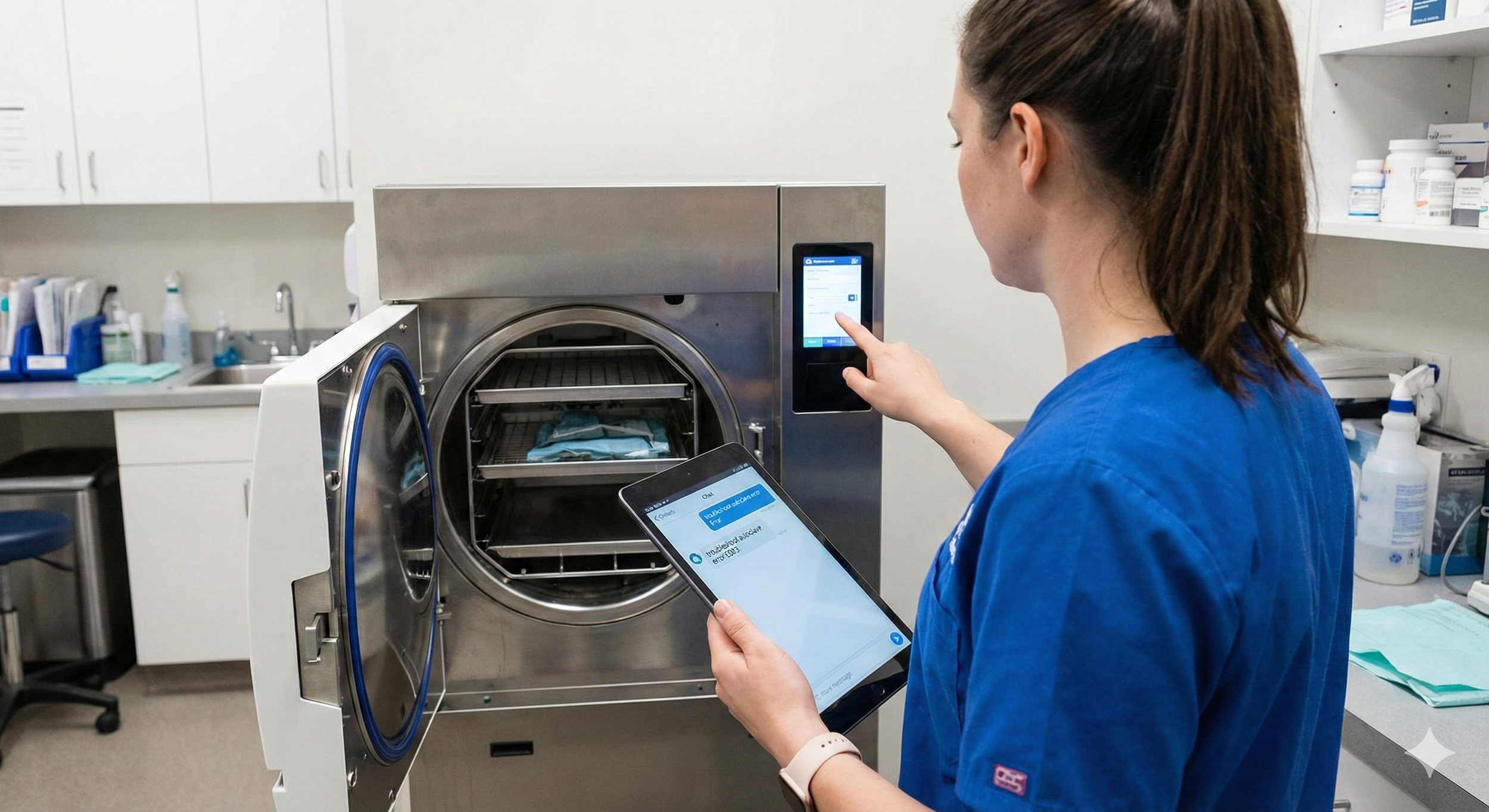
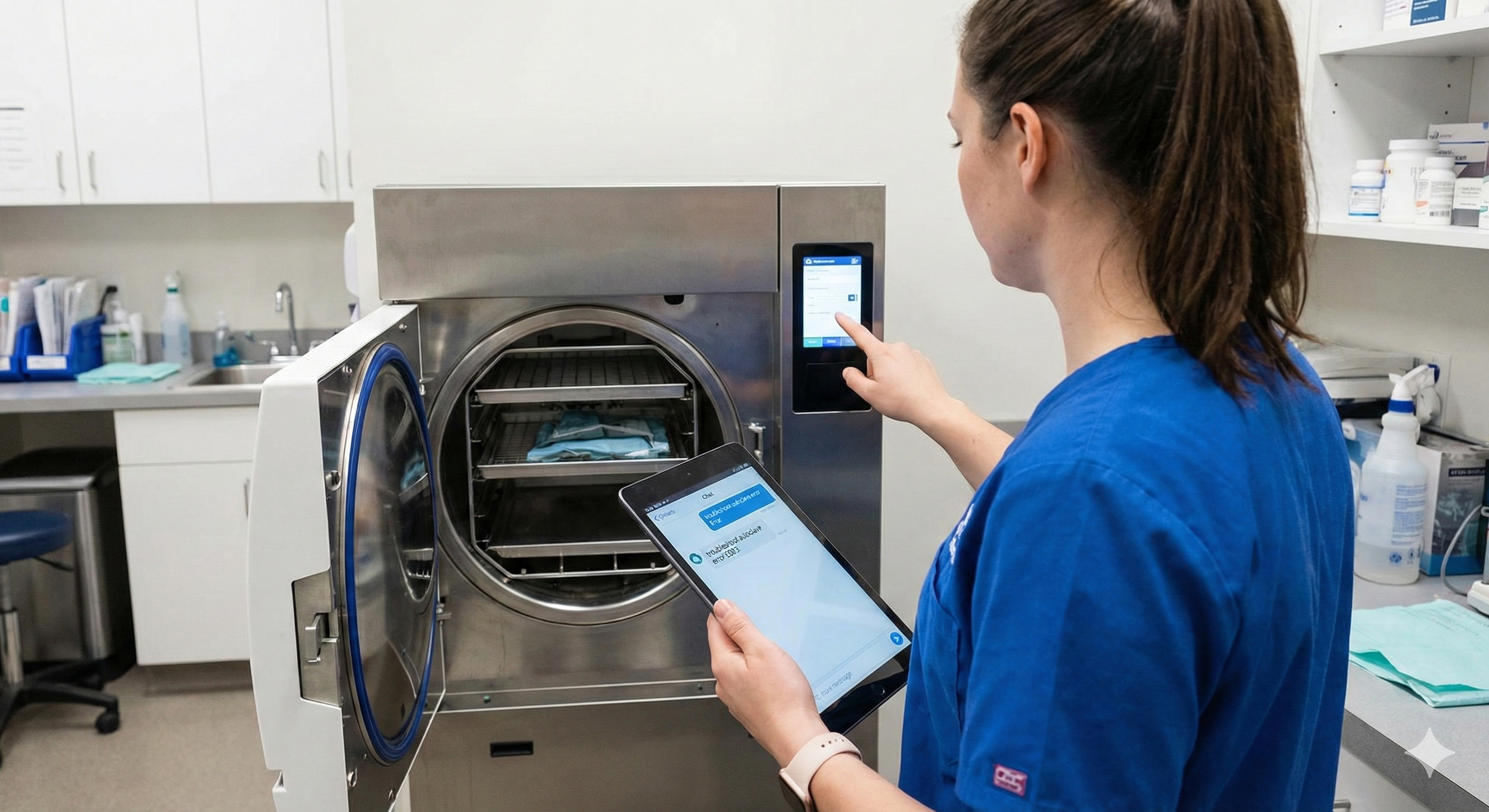
Picture this: The autoclave emits a piercing, rhythmic beep. Sterilization is backing up, surgery starts in 45 minutes, and your technicians are staring at the control panel like it just spoke in a forgotten language.
Inevitably, someone asks, “Should we call support?”
Maybe. But before you spend 40 minutes on hold or trigger a $250 service call fee, there is a better starting point. If you aren’t using animal hospital AI tools like ChatGPT or Gemini as your first troubleshooting step, you’re leaving time, money, and sanity on the table.
Why Veterinary Teams Need an "AI-First" Mentality
In a busy practice, equipment issues don’t just slow you down; they derail patient care. Traditionally, troubleshooting meant hunting for a 78-page PDF manual or watching a 14-minute YouTube video that—infuriatingly—features a slightly different model than yours.
By using AI-powered assistants, you get a "research shortcut" that:
Summarizes manuals: No more scrolling through hundreds of pages.
Cross-references data: Pulls from forums, manufacturer FAQs, and technical guides instantly.
Offers real-time refining: You can talk back to the AI to narrow down the specific symptoms you’re seeing.
The Secret Sauce: Writing Effective Prompts
The quality of the help you get depends on the quality of the "ask." Don't just say, "The autoclave is broken." Give the AI context.
Option 1: Troubleshooting an Error Code
Effective Prompt: "I am a veterinary technician working with a Midmark M11 UltraClave. The screen is displaying Error Code E003. Can you provide a prioritized list of common causes for this code, and give me a step-by-step guide on how to perform the most likely basic fix (like cleaning the filters or checking the gasket)?"
Option 2: Solving a Performance Issue (ICU Cage)
Effective Prompt: "Our Snyder ICU Oxygen Cage is struggling to maintain humidity levels above 40%, even though the reservoir is full. Act as a biomedical repair expert. What are three specific mechanical components I should check for clogs or leaks before I call a professional technician?"
A three-Step Workflow for Your Team
To turn this into a hospital-wide habit, implement this "AI-First" Equipment Protocol:
Step 1: The Specific Query
Instead of a vague search, feed the AI the Brand, Model, and specific symptom. * Tip: If you are using the mobile app, you can even take a photo of the error screen (with ChatGPT Plus or Gemini Advanced) and ask, "What does this error message mean?"
Step 2: The "Safety First" Follow-Up
Once the AI suggests a fix, ask: "Are there any safety risks associated with checking the [Component Name], and will opening this panel void our manufacturer's warranty?" This keeps your team safe and your equipment protected.
Step 3: Document the Attempt
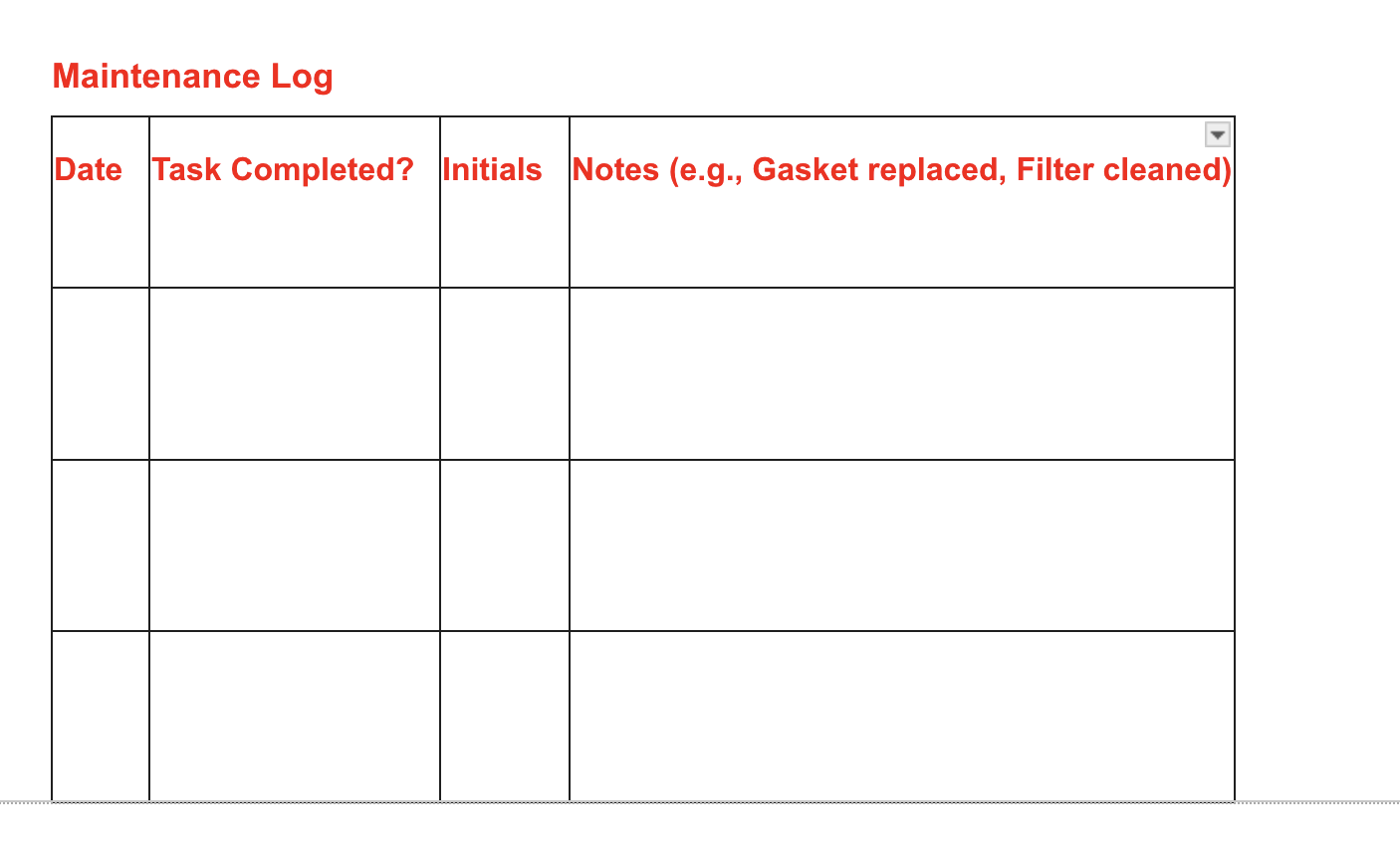
If the AI fix works, have the tech copy the steps into your practice management software or a "Troubleshooting Log." If it doesn't work and you still have to call support, you can now tell the technician exactly what you’ve already tried, which often speeds up their diagnostic time.
The ROI: Why Practice Owners Should Care
Every unnecessary service call has a "hidden" cost:
Direct Fees: Travel fees and hourly labor.
Opportunity Cost: Canceled surgeries or delayed diagnostics.
Team Morale: Technicians feel empowered when they can solve a problem themselves rather than waiting for "the expert" to show up.
A Word of Caution: AI is a brilliant research assistant, not a licensed repairman. Never attempt to bypass safety sensors, disassemble pressurized chambers, or perform electrical work beyond basic fuse replacement unless you are qualified.
Try This Tomorrow
The next time a piece of equipment acts up—whether it's a finicky blood chemistry analyzer or a jammed paper shredder—don't reach for the phone first. Open ChatGPT or Gemini, input the model number, and describe the problem.

Stop the Blur: Using Gemini AI to Master Large-Dog Radiographs
You position beautifully. You center carefully. You collimate appropriately. You hit expose…
And the image comes up blurry. Not just “a little soft,” but diagnostically questionable.
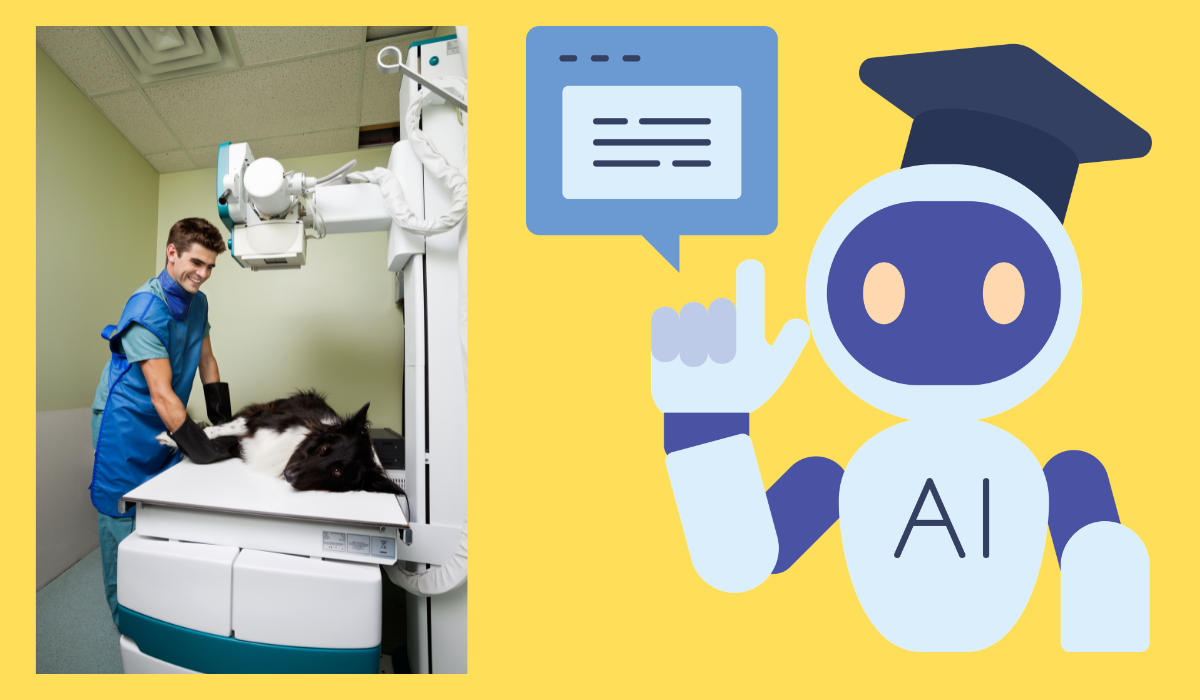
Full-body radiographs on 100lb Labs or obese cats can humble even the most experienced teams. When you’re up against thickness, motion, scatter, and time pressure, things get tricky fast. This is where Gemini, Google’s AI collaborator, becomes an essential tool for your radiology suite.
Sometimes you don’t need more CE; you need a fast, clear answer while the patient is still on the table.
Step 1: Moving Beyond Generic Search
If your team types: “Why are my x-rays blurry?” they’ll get a generic article. To get "Level 2" results, teach your staff to use Power Prompts that include specific constraints and a requested format.
The Power Prompt: "Act as a senior veterinary radiographer. Give me a 4-point checklist to fix motion blur for a 95lb dog on a DR system. Focus only on kVp/mA adjustments and physical restraint. Keep it under 50 words."
Step 2: Troubleshooting with "Physics-to-Practice"
Most of us don't need a physics lecture mid-shift. We need reminders that translate to immediate action. Instead of asking "why" something works, ask Gemini how to apply it to your specific machine.
The Power Prompt: "I’m shooting a 100lb dog, and the image is blurry from respiratory motion. My current settings are [Insert Your Settings]. What specific mA increase and exposure time decrease do you recommend to stop motion while maintaining density?"
Step 3: Create Instant Clinical "Cheat Sheets"
If your team struggles with consistency, use Gemini to build a reference tool that can be printed and taped to the wall near the generator.
The Power Prompt: "Create a simplified technique chart table for 'Large/Obese Patients' on a DR system. Include columns for: Body Thickness (cm), Grid Use (Yes/No), and kVp adjustment factors. Format it as a clean, scannable table."
Step 4: Mastering Motion Control
Blurry images aren’t always about the settings; they’re about the patient. Gemini can help your team refine their physical approach in seconds.
The Power Prompt: "List the 3 best sedation protocols and 2 positioning aids specifically for reducing respiratory motion in obese cats during thoracic films. Bullet points only."
Why This Matters for Your Workflow
A blurry radiograph is more than just a bad image; it’s a drain on your practice's health. Retakes lead to:
Increased Radiation: Unnecessary exposure for staff and patients.
Bottlenecks: A 10-minute study turning into a 30-minute ordeal.
Staff Burnout: Frustration from "guessing" at settings.
3 Tips for "Talking" to Gemini in the Clinic
Assign a Persona: Start your prompt with "Act as a senior veterinary radiographer" to ensure a professional tone and clinically grounded advice.
Use Specific Constraints: Tell the AI to "Keep it under 50 words" or "Use bullet points." This prevents you from having to read a long article while a patient is on the table.
Give It Your "Inputs": If you want a better setting, tell Gemini what you are currently using. AI is best at suggesting the "next step" when it knows where you are starting.
The "Why" Behind the Prompt
Using Gemini proactively reduces retakes, minimizes staff frustration, and ensures diagnostic-quality images the first time—improving both patient care and clinic efficiency.
The Bottom Line: AI as a Clinical Confidence Tool
We tend to talk about AI as if it’s only for "robotic" diagnostics. But in a busy clinic, Gemini’s best use is helping a technician stand in front of a DR monitor, think clearly, and get the shot right the second time—or better yet, the first.
Why AI Works:
AI answers improve dramatically when it knows:
What equipment
What happened
What you observed
What help do you want?
Think of it like calling tech support — details matter.
How Veterinary Teams Can Use ChatGPT as a Troubleshooting Partner for In-House Lab Analyzers
If you’ve ever been in the middle of a packed schedule, samples piling up, and your in-house analyzer suddenly throws an error code that looks more like a license plate number than helpful information… you’re not alone.
Most veterinary hospitals rely heavily on in-house lab analyzers and other equipment from IDEXX, Heska, and Abaxis. These analyzers are incredible tools, but when something goes wrong, the immediate reflex is often: “Ugh. Who’s calling support this time?”
Here’s a handy little secret: many of those calls are avoidable.
Let’s peek behind the curtain of animal hospital AI, specifically tools like ChatGPT, and the growing role of veterinary AI inside modern practices.
Used correctly, ChatGPT can act like a calm, knowledgeable partner for your team, helping to interpret error codes, think through next steps, and often resolve issues before you ever pick up the phone.
Let’s talk about how…
First, a mindset shift: ChatGPT isn’t replacing support, it’s triage
Important disclaimer upfront: ChatGPT isn’t a substitute for IDEXX, Heska, or Abaxis support. But it is an incredibly useful first line of troubleshooting.
Think of veterinary AI like this:
It helps you understand what the error likely means
It helps you rule out common causes
And when you do call support, you’re far more prepared
That alone can save time and frustration.
Let’s break it down…
Step 1: Feed ChatGPT the right information
Veterinary AI is only as good as the details you give it. When an error pops up, avoid typing something vague like “My oxygen concentrator has an error.” Instead, input specifics.
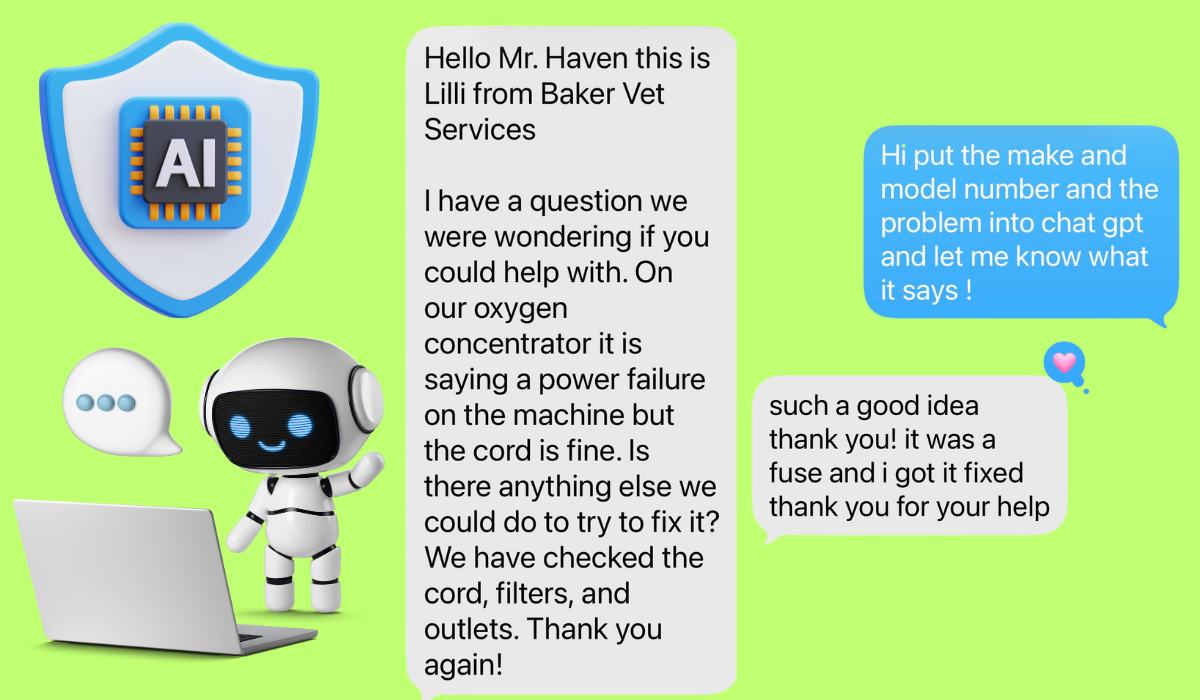
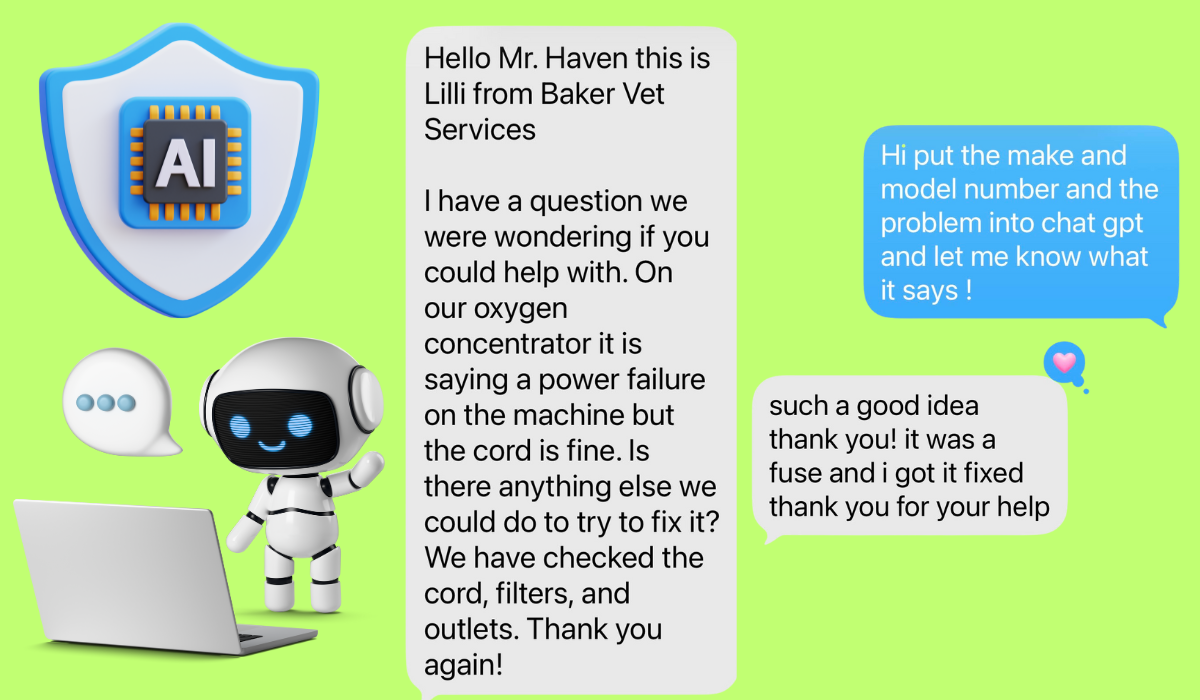
True story: Lilli, a seasoned veterinary team member from Baker Vet Services, reached out recently.
“I have a question that we were wondering if you could help with. Our oxygen concentrator shows a power failure, but the cord is fine. Is there anything you can do to try to fix it? We’ve checked the cord, filters, and outlets.”
After some encouragement to enter the problem, make, and model number into ChatGPT, Lilli was relieved to discover it was the fuse causing the trouble and was able to quickly get it fixed.
Step 2: Ask ChatGPT to explain the error like you’re a tech on the floor
One of the biggest advantages of veterinary AI is its translation capabilities. Manufacturer manuals are thorough… but not always quick to interpret in the middle of a busy day.
Try prompts like:
“Explain this Abaxis VetScan error code in simple terms.”
“What does this Heska analyzer error usually indicate during sample processing?”
“What are the most common reasons this IDEXX error occurs?”
ChatGPT won’t just repeat the error; it will often explain why it happens, which is key for preventing repeat issues.
Step 3: Use veterinary AI to create a step-by-step troubleshooting checklist
This is where things get really powerful for hospital operations.
Ask ChatGPT: “Create a step-by-step troubleshooting checklist for this error, starting with the most common and least invasive fixes.”
For example, veterinary AI might suggest:
Checking reagent expiration dates
Inspecting sample volume and quality
Running a clean cycle
Power cycling the analyzer properly
Many of these are things experienced technicians already know—but in the moment, stress can cloud logic. Animal hospital AI helps slow things down and bring clarity.
Step 4: Ask how to prevent the error from happening again
This is the step most teams skip. Once the issue is resolved, ask:
“What maintenance steps help prevent this error in the future?”
“Is this error commonly caused by user technique, environment, or consumables?”
“What daily or weekly checks reduce the likelihood of this happening again?”
Over time, this turns ChatGPT into a training assistant, not just a troubleshooting tool.
Step 5: Document smarter (and faster)
Here’s an underrated benefit: veterinary AI can help your team document issues clearly.
What ChatGPT should not be used for.
Veterinary AI has limits. Your team should still call support when:
The analyzer instructs you to stop use immediately
There’s a repeated mechanical failure
Patient safety could be compromised
Animal hospital AI is a guide, not a green light to override manufacturer safety protocols.
Why this matters for practice owners
For veterinarians and practice owners, this isn’t just about convenience. Using veterinary AI effectively can:
Reduce analyzer downtime
Minimize unnecessary support calls
Decrease frustration
And most importantly, it helps your team feel supported, even when things go sideways.
Veterinary AI as a partner in crime
Animal hospital AI isn’t replacing people; it’s simply giving smart, capable teams better tools to think, troubleshoot, and move forward with confidence. Anything that helps a tech avoid standing on hold while samples stack up is a win in anyone’s book.
The opportunity is sitting right in front of you. It just needs to be used intentionally.
Because sometimes, the fastest support line is the one already in your pocket.
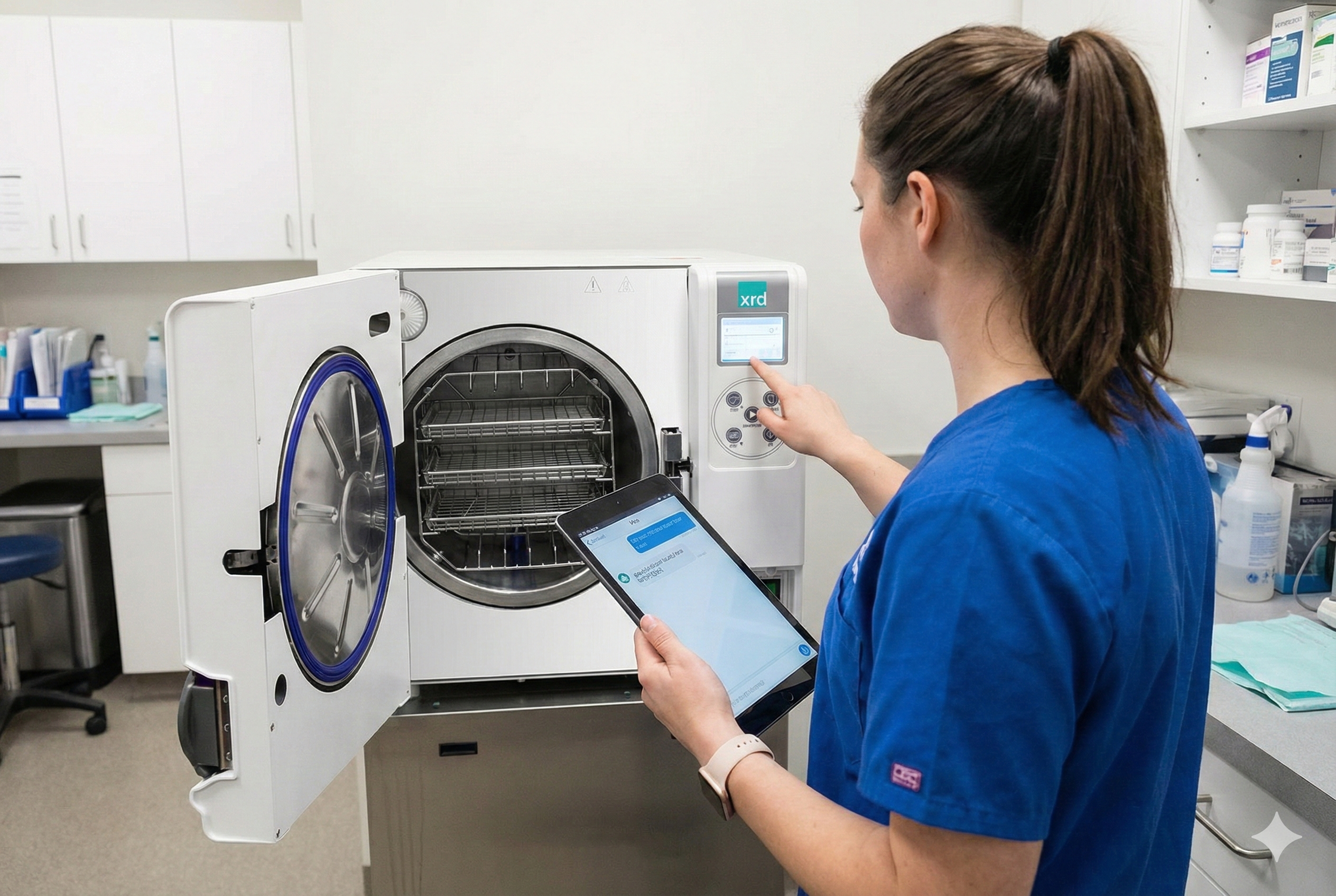
Veterinary Autoclave Troubleshooting Guide
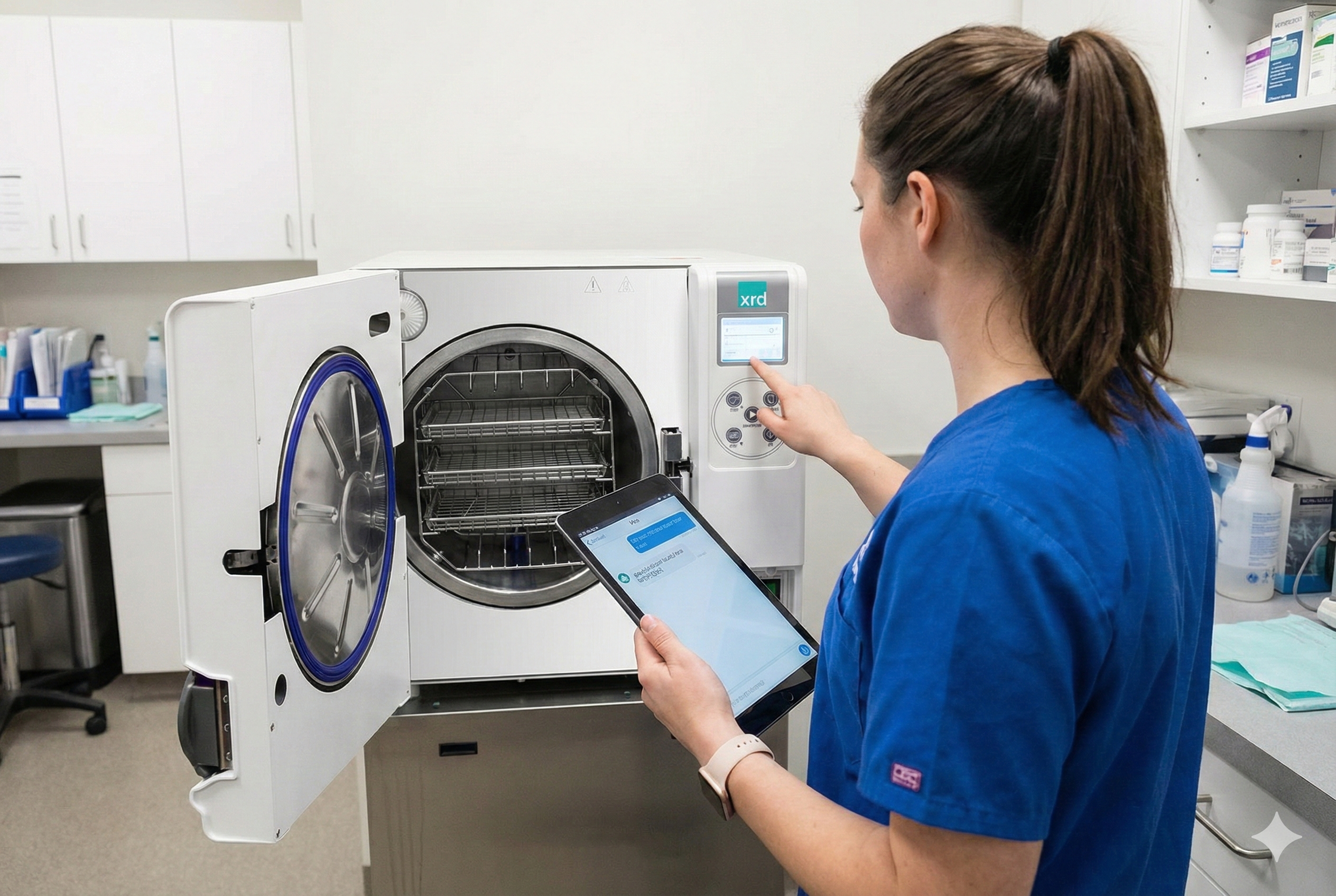
In the fast-paced environment of a veterinary clinic, the autoclave is the unsung hero. When it works, surgical packs are sterile and ready for the next spay or dental. When it doesn't? Your entire schedule grinds to a halt.
Here is a guide to the most common autoclave headaches and how to fix them before they disrupt your day.
1. The Temperature Just Won’t Rise
If your unit is stuck in a preheat loop or isn’t hitting the required 121°C (250°F), you aren’t just losing time—you’re compromising sterility.
The Culprit: Often, this is a water level issue. If the reservoir is low, the heating element can't generate enough steam.
Check This: Ensure you are using distilled water only. Tap water can cause mineral buildup (scale) on heating elements, acting as insulation that prevents heat transfer.
The Fix: Clean the heating element with a specialized autoclave cleaner and ensure the water sensor is free of debris.
2. The Infamous "Wet Pack."
You open the door, and the surgical wraps are damp. In the veterinary world, a wet pack is one that is contaminated.
The Culprit: This is usually a loading error. If packs are stacked too tightly or "nestled" together, steam can't circulate, and moisture gets trapped.
Check This: Is your chamber filter clogged? If the air-jet or drain filter is blocked with lint or hair (a common vet clinic reality!), the vacuum/drying phase will fail.
The Fix: Use a rack to separate pouches. Ensure paper-plastic pouches are placed on their sides (like files in a folder) rather than flat.
3. Steam Leaking from the Door
If you hear a "hissing" sound or see steam escaping around the front of the machine, your cycle will likely fail due to pressure loss.
The Culprit: The door gasket (the rubber ring) is likely worn, dry, or dirty.
Check This: Look for small cracks or bits of surgical tape stuck to the gasket. Even a tiny piece of debris can break the seal.
The Fix: Wipe the gasket daily with a damp, lint-free cloth. If it’s cracked, it’s time to order a replacement.
4. "Error Code XXX."
Modern autoclaves are smart—sometimes too smart. They’ll throw a code like "E001" or "Cycle Aborted" and refuse to move.
The Culprit: This could be anything from a power surge to a faulty solenoid valve.
The Fix: Don’t guess. Every brand has a specific "Error Code Table." Below, I’ve provided a way to get the answer instantly.
The Autoclave "Power Prompt"
If your autoclave is acting up and the manual is nowhere to be found, use this prompt with an AI assistant to get a specialized diagnosis.
Copy and paste the text below, filling in the bracketed information:
"I am a veterinary professional troubleshooting an autoclave. The brand is [Insert Brand, e.g., Midmark, Tuttnauer, Ritz] and the model is [Insert Model Number].
The specific issue I am seeing is: [Describe the problem, e.g., Error Code E007 / Water leaking from bottom / Cycle won't start].
Based on the manufacturer’s service manual for this specific model, can you tell me:
What are the most likely causes for this specific error?
What are the 'first-step' fixes I can do in the clinic?
At what point do I need to stop and call a professional technician?"
Pro-Tip: The "Golden Rule" of Autoclaves
90% of autoclave failures in vet clinics are caused by two things: Poor water quality and hair/lint buildup. A weekly cleaning routine can save you thousands in repair bills.
Since many autoclave issues in a veterinary clinic stem from hair, dander, and mineral buildup, a consistent maintenance schedule is the best defense.
Here is a printable-style Weekly Maintenance Checklist you can post in your sterilization area.
🏥 Veterinary Autoclave: Weekly Maintenance Checklist
Goal: Prevent "Error Codes," "Wet Packs," and heating element failure.
✅ Monday: The Deep Clean
Drain the Reservoir: Empty all water from the reservoir. Stagnant water grows biofilm and concentrates minerals.
Chamber Scrub: Use a non-chlorinated, manufacturer-approved cleaner (like Omni-Cleaner or Speed-Clean). Scrub the bottom of the chamber to remove any "cooked-on" debris or surgical tape residue.
Rinse & Refill: Rinse the chamber thoroughly with distilled water and refill the reservoir to the "Full" line.
✅ Wednesday: The "Seal & Filter" Check
Gasket Inspection: Wipe the door gasket with a damp, lint-free cloth. Look for cracks, pits, or any pet hair that might break the vacuum seal.
Clean the Chamber Filter: Locate the small mesh filter at the bottom or back of the chamber. Remove it and rinse away any lint or hair.
Tip: If this is clogged, your packs will stay wet!
✅ Friday: The Performance Test
Biological Indicator (BI) Test: Run a spore test to ensure the autoclave is actually killing microorganisms, not just getting hot. Log the results in your clinic’s sterilization binder.
Tray & Rack Check: Remove the trays and the wire rack. Wipe them down to prevent oxidation (rust) from forming, which can transfer to your stainless steel instruments.
🚫 The "Never" List (Post this for new staff!)
NEVER use tap water. It will ruin the heating elements within weeks.
NEVER use steel wool or wire brushes to clean the chamber (it causes pitting and rust).
NEVER overload the trays. If steam can't circulate, the center of the pack isn't sterile.
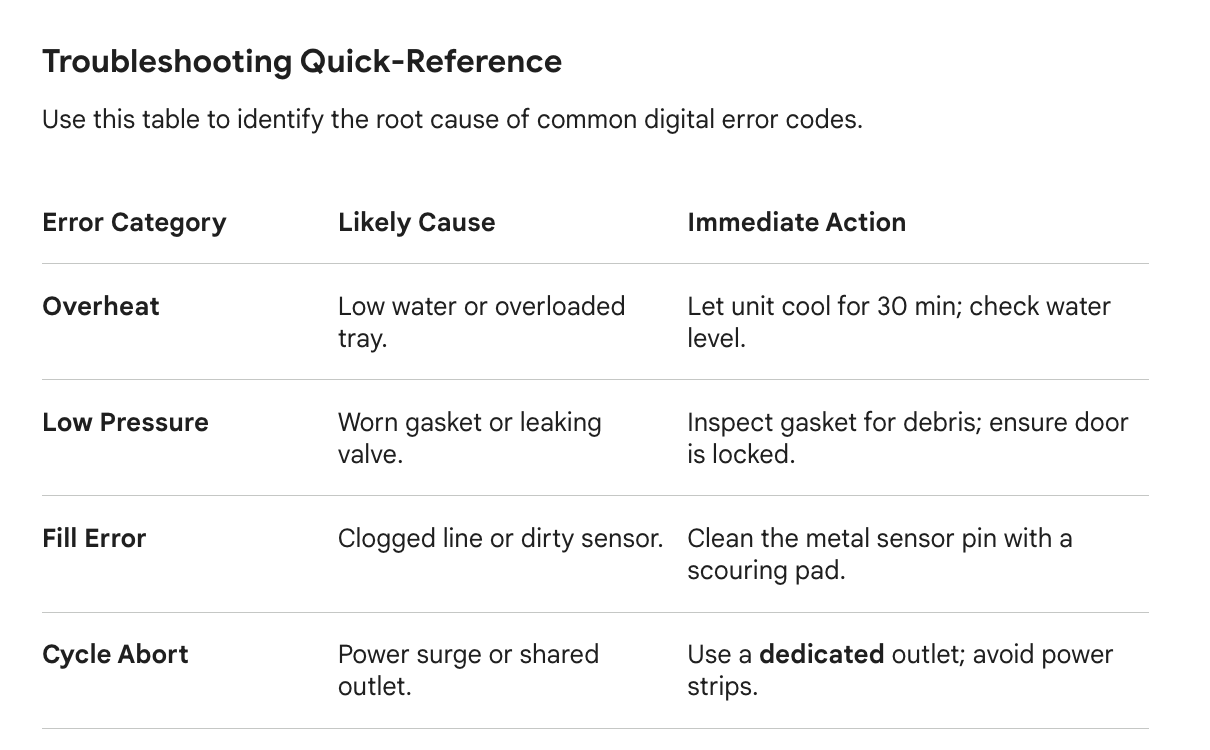
Since different brands use different codes (for example, a "C-001" on one machine might be an "E-003" on another), I’ve designed this Troubleshooting Quick-Reference by "Error Type."
This makes it easy for your staff to identify the root cause based on what the machine is doing or saying.
⚡ Autoclave Troubleshooting Quick-Reference
Keep this near the autoclave for immediate diagnosis.
Common Error Categories
Error Type
Common Codes (Varies)
Probable Cause
Immediate Action
Overheat
E001, E1, Hi-Temp
Low water, overloaded chamber, or faulty sensor.
Vent steam, let the unit cool for 30 min, and check the water level.
Low Pressure
E002, P-Low, Vac-Fail
Worn door gasket or leaking safety valve.
Inspect the gasket for debris; ensure the door is locked tight.
Fill Error
E003, No-Water
Clogged water line or dirty water sensor.
Clean the sensor (the small metal pin) with a scouring pad.
Cycle Abort
E007, Power-Fail
Power surge or unstable voltage.
Plug the unit into a dedicated outlet (no power strips!).
Dry Failure
Wet Pack, E009
Clogged chamber filter or poor loading.
Clean the filter mesh; reload packs on their sides.
The "3-Step Rescue" Protocol
If an error occurs mid-cycle, follow these steps immediately:
Safety First: Do not attempt to force the door open if the pressure gauge is above zero.
The "Hard Reset": Many software glitches can be cleared by turning the power switch OFF for 60 seconds and then back ON.
Check the "Big Three":
Is it Distilled Water?
Is the Gasket clean?
Is the Filter clear of hair/lint?
When to Call for Service 📞
If you see these "Red Flag" issues, stop using the machine and call a technician:
Burning smell: Indicates a short circuit or a fried heating element.
Constant Hissing: Even after cleaning the gasket, steam continues to escape.
Water Under the Unit: A sign of a blown internal hose or a failing weld.
Customizing This for Your Clinic
To make this perfectly accurate for your team, you can look up the "Error Code Table" in your manual and jot down the most common ones here:
Code ______: Meaning: ____________________________________
Code ______: Meaning: ____________________________________