

Who Needs a C-Arm? A Breakdown of Veterinary Practices That Benefit Most
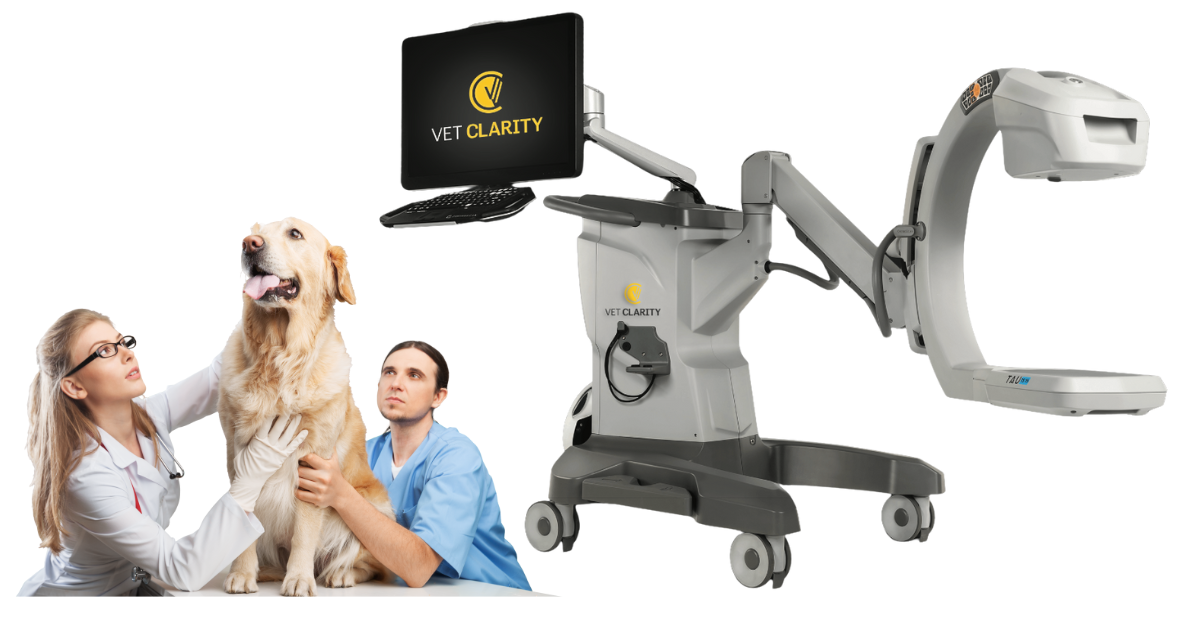
How C-Arms Improve Outcomes in Modern Veterinary Care
As more veterinary hospitals expand their surgical and interventional capabilities, the question isn’t just “What does a C-arm do?”, it’s “Do we actually need one?”
C-arms provide real-time fluoroscopic imaging that can elevate surgical accuracy, open the door to new procedures, and streamline workflows. But like any major equipment purchase, they’re most valuable for practices that can truly utilize them.
If you’re trying to determine whether a C-arm fits your caseload and growth plans, this guide breaks down which hospitals benefit most.
1. Orthopedic-Focused General Practices
If your hospital performs a high volume of orthopedic procedures, a C-arm can quickly become indispensable.
Orthopedic benefit:
Real-time visualization during fracture repairs
Precision alignment for TPLOs and other corrective osteotomies
Ability to confirm implant placement instantly
Fewer retakes, fewer anesthesia adjustments, and fewer post-op surprises
In orthopedics, a few millimeters can make the difference between a smooth recovery and a complication. Fluoroscopy reduces guesswork and increases surgical confidence.
Common Cases Include:
TPLO and TTA procedures
Long bone fracture repair
Luxating patella corrections requiring implant placement
Angular limb deformity corrections
Joint evaluations
For surgical GPs looking to elevate their ortho offerings or reduce their reliance on referral hospitals, a C-arm can be a turning point for clinical capability.
2. Specialty Hospitals
Specialty practices tend to see the broadest range of cases in which fluoroscopy improves outcomes. Their higher caseload also spreads the cost across more procedures, making ROI easier to calculate.
Specialty benefits:
High surgical volume
Advanced ortho, soft tissue, and neurological procedures
Interventional radiology availability
On-site specialists who rely on real-time imaging
Common Cases Include:
Complex fracture repairs
Vascular and cardiac procedures
Tracheal stent placement
Pacemaker implantation
Subtotal colectomy foreign body checks
Urethral and ureteral stenting
For these hospitals, a C-arm isn’t just helpful, it’s often a clinical requirement.
3. Emergency & Critical Care Hospitals
ER/ICU environments regularly encounter cases where fluoroscopy changes the course of treatment within minutes.
ER / ICU benefit:
Ability to identify and remove GI foreign bodies rapidly
Real-time visualization for unstable orthopedic injuries
Support for urgent cardiac or vascular interventions
Faster decision-making when minutes matter
Common Cases Include:
GI foreign body retrieval (particularly linear objects)
Urethral obstruction diagnostics
Fracture stabilization
Pericardiocentesis guidance
Contrast-based urinary or vascular studies
In ER settings, a C-arm reduces delays, minimizes patient movement, and improves efficiency during high-acuity cases.
4. Mobile Surgeons and Traveling Specialists
Mobile surgical teams often work with varying setups and caseloads, so easy positioning and real-time imaging can drastically improve workflow consistency across clinics.
Mobile/Travel benefit:
Standardized imaging, no matter where they operate
More predictable surgical efficiency
Ability to offer specialized procedures to general practices
Mobile surgeons offering TPLOs, fracture repair, or interventional procedures often rely on a C-arm to maintain high standards across diverse environments.
Understanding DSA: When Digital Subtraction Angiography Matters
Some C-arm systems include DSA (Digital Subtraction Angiography)—a powerful imaging tool that reveals blood flow with exceptional clarity.
What DSA Does (in simple terms)?
DSA subtracts pre-contrast images from post-contrast images to highlight only the motion of contrast material. In practice, it produces obvious vascular images in which bones and soft tissue are “subtracted out.”
When Veterinary Practices Use It:
Diagnostic vascular studies
Portosystemic shunt (PSS) identification
Cardiac pacemaker lead visualization
Fluoroscopy-guided biopsies where vasculature is a concern
Why DSA Matters:
Reveals tiny vessels that are difficult to see with standard fluoroscopy
Improves safety in contrast-guided procedures
Enhances accuracy for vascular interventions and catheter placement
While DSA isn’t necessary for every hospital, it’s a significant advantage for practices performing advanced imaging or interventional radiology.
How to Estimate Your C-Arm Utilization Before Purchasing
Before investing, assess your current and potential case volume.
Ask yourself:
1. How many orthopedic procedures do we perform monthly?
Even 4–6 orthopedic surgeries per month can justify consistent use.
2. Are we seeing frequent foreign bodies or emergency cases?
If so, fluoroscopy may significantly shorten procedure times.
3. Are we looking to add new services?
TPLOs, TTAs, stent placements, and interventional radiology are all enabled or improved by C-arms.
4. Do we refer cases out that we’d prefer to keep in-house?
Keeping one or two high-value procedures per month can substantially improve ROI.
5. Are there specialists (or mobile surgeons) in our network who could use the equipment?
Shared utilization can strengthen financial justification.
Does Your Practice Need a C-Arm?
If your hospital is performing regular orthopedic or emergency procedures—or plans to expand into these services—there’s a strong chance a C-arm will elevate both clinical capability and practice profitability.
But even more importantly, it enhances veterinarians' ability to diagnose and treat challenging cases, giving teams the confidence and clarity they need to deliver exceptional care.