
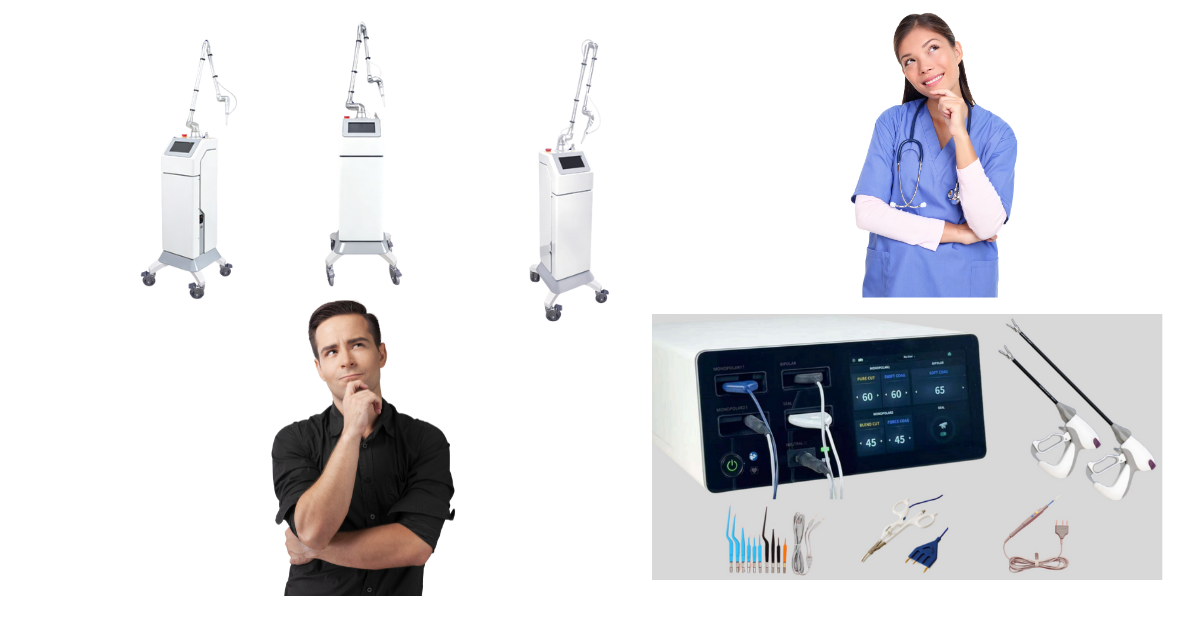
CO₂ Surgical Laser vs. Vessel Sealer: Which Tool Makes Sense for Your Practice?
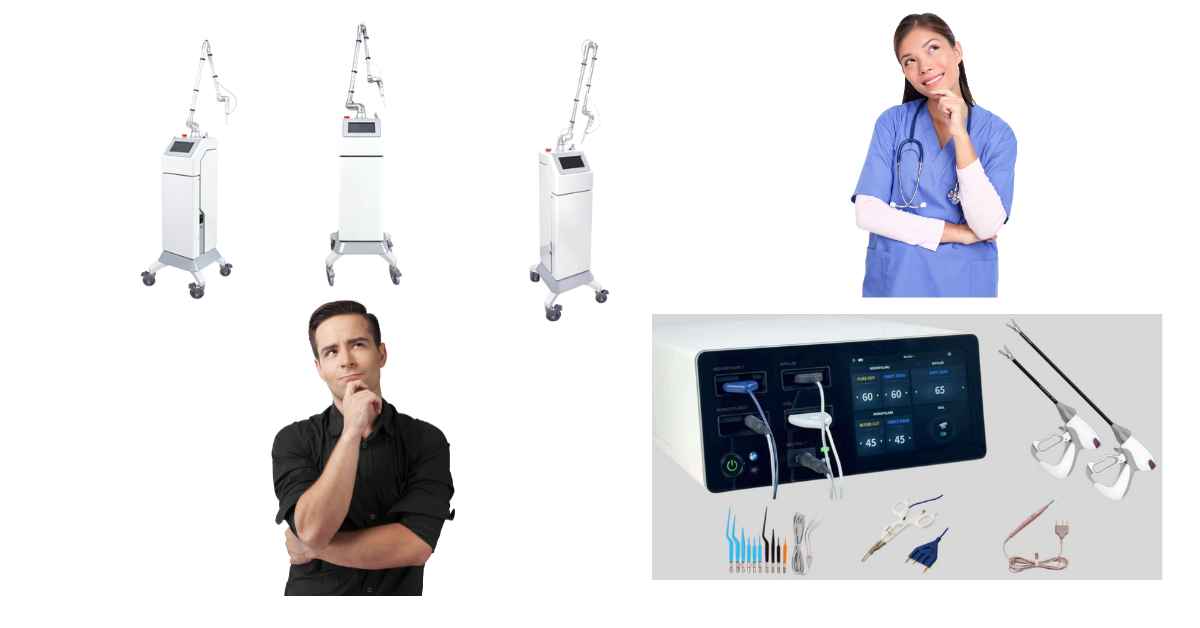
If you’ve ever priced out new surgical equipment, you’ve probably found yourself comparing apples to… not quite oranges, but definitely different fruits.
Two technologies that often come up in the same conversation are CO₂ surgical lasers and advanced vessel sealing devices. Both are marketed as modern upgrades to traditional surgical tools. Both can reduce bleeding. And both promise better outcomes.
But they’re designed for very different jobs.
Understanding where each excels and where each falls short can help you decide which investment actually fits your practice and caseload.
What Each Technology Is Designed to Do
Let’s start with intent.
CO₂ Surgical Laser
A CO₂ laser is a soft-tissue cutting tool. It uses a 10.6 µm wavelength that’s strongly absorbed by water, allowing it to cut, vaporize, ablate, and coagulate tissue with extreme precision and minimal thermal spread.
Vessel Sealer
A vessel sealer is primarily a hemostasis tool. It uses bipolar energy and pressure to seal blood vessels and tissue bundles—typically larger structures—before transection.
Both are valuable, but they’re not interchangeable.
Precision vs. Power
CO₂ lasers shine in precision work.
Because laser energy penetrates only about 100–200 microns into tissue, lateral thermal damage is extremely limited. This makes CO₂ lasers ideal for:
Oral and dental soft-tissue surgery
Dermatologic mass removal
Periocular and ENT procedures
Anal sac surgery
Feline and small-patient procedures
A vessel sealer, on the other hand, is designed for larger tissue bundles and vessels. It excels when sealing and dividing pedicles, such as during:
Ovariohysterectomies
Splenectomies
Large mass removals involving vascular structures
If you’re looking for fine margins and delicate tissue handling, the CO₂ laser has a clear advantage. If your primary need is sealing larger vessels quickly and securely, a vessel sealer may be more appropriate.
Cutting and Coagulation: One Step vs. Two
One of the biggest workflow differences comes down to how these tools handle cutting.
A CO₂ laser cuts and coagulates simultaneously. Small blood and lymphatic vessels are sealed as the incision is made, often resulting in a nearly bloodless surgical field without stopping to cauterize.
A vessel sealer seals first, then divides tissue, often with scissors or an integrated cutting mechanism. It’s effective, but it’s not designed for continuous incision work.
For surgeries involving long incisions, mucosal tissue, or irregular lesion borders, lasers tend to feel faster and more fluid.
Postoperative Pain and Healing
From a patient-care perspective, this is where CO₂ lasers often stand out.
Laser energy seals sensory nerve endings and causes less collateral tissue trauma than mechanical cutting. Clinically, this often translates to:
Reduced postoperative pain
Less swelling and inflammation
Faster healing
This is especially noticeable in cats and small dogs, where even minor tissue trauma can lead to significant discomfort.
Vessel sealers are excellent at hemostasis, but they are not designed to minimize surface tissue trauma or nerve irritation in the same way, particularly in superficial or mucosal tissues.
Versatility Across Procedures
A single CO₂ laser system can support a wide range of soft-tissue procedures with different handpieces and settings:
Oral and dental soft tissue
Dermatology
Ophthalmic and ENT procedures
Urogenital surgery
Anal sac surgery
Tumor excisions
A vessel sealer tends to be more procedure-specific. It’s invaluable in abdominal and highly vascular surgeries but is rarely used for oral, dermatologic, or superficial soft-tissue work.
For many general practices, that versatility plays a big role in ROI.
Learning Curve and Daily Use
CO₂ lasers are often easier to integrate into daily workflows than expected. Modern systems feature:
Touchscreen interfaces with user presets
Articulated arms for stable positioning
Aiming beams that show exactly where energy will be delivered
Many veterinarians find they can incorporate laser surgery quickly, especially for procedures they already perform frequently.
Vessel sealers, while straightforward, tend to be used in a narrower set of surgeries, which can limit how often they’re pulled out of storage.
The Business Side: Which Pays Off Faster?
From a practice-owner standpoint, the question often becomes: Which tool will we actually use most?
CO₂ lasers often generate ROI through:
Expanded in-house soft-tissue procedures
Reduced surgical time
Improved patient outcomes and client satisfaction
Higher perceived level of care
Vessel sealers provide strong value in practices performing high volumes of abdominal or complex soft-tissue surgeries, but may see less frequent use in smaller or feline-heavy practices.
So… Which One Is “Better”?
Neither tool replaces the other.
A vessel sealer is a powerful hemostasis device for larger vessels and tissue bundles. A CO₂ laser is a precision instrument for soft-tissue surgery, patient comfort, and versatility.
If your practice performs a wide variety of soft-tissue procedures, especially oral, dermatologic, or feline cases, a CO₂ laser often delivers broader day-to-day value. If you routinely tackle large, vascular abdominal surgeries, a vessel sealer may be a better complement.
For some practices, the ideal setup is eventually having both, but if you’re choosing where to start, understanding your caseload is everything.

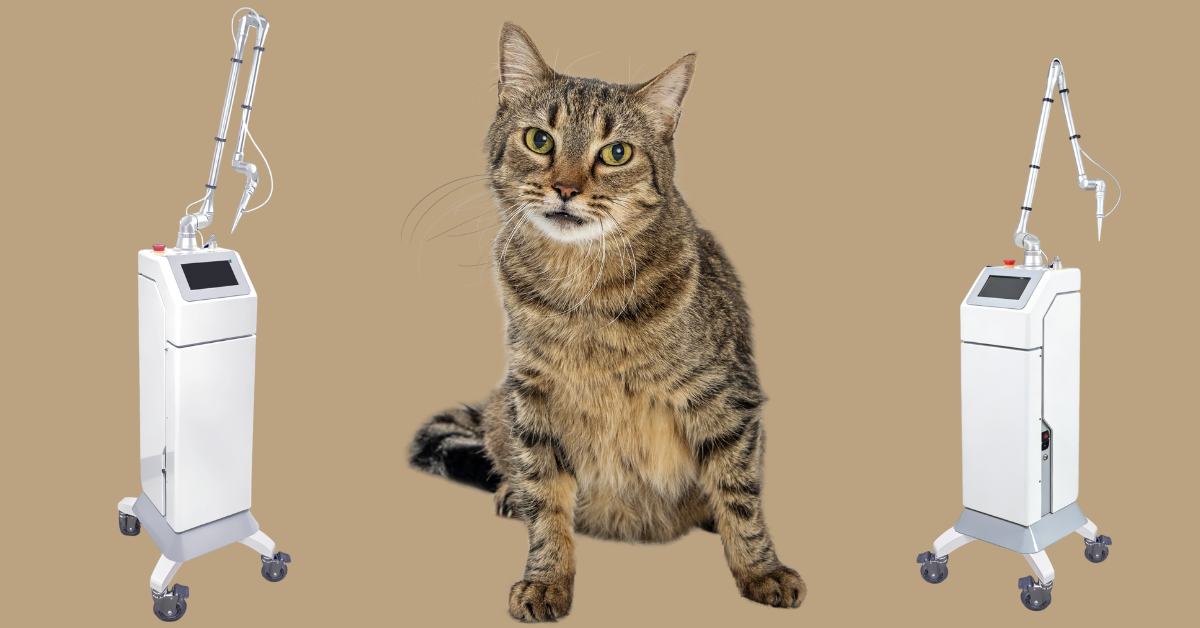
Why CO₂ Lasers Are Especially Advantageous in Feline Surgery
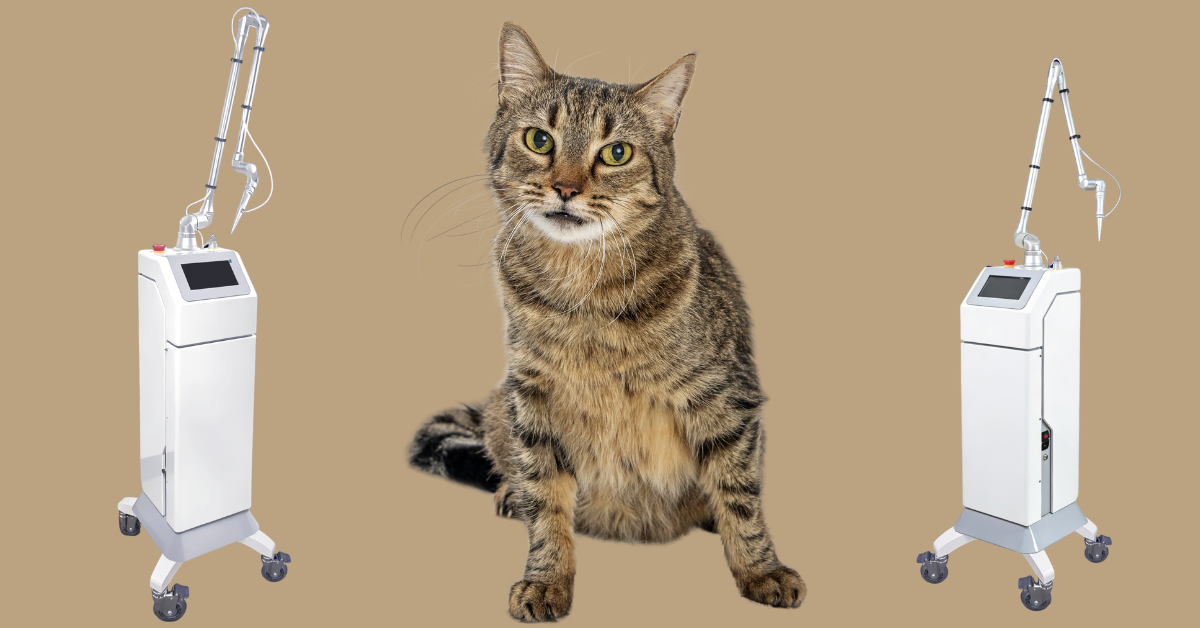
If there’s one patient population that keeps veterinarians on their toes in surgery, it’s cats. Smaller anatomy, delicate tissues, greater pain sensitivity, and reduced tolerance for postoperative discomfort all raise the stakes.
That’s exactly why CO₂ laser surgery has become such a valuable tool in feline procedures.
While scalpels will always have a place in the surgical suite, CO₂ lasers offer advantages that are particularly meaningful for cats—both clinically and operationally.
Precision That Matches Feline Anatomy
CO₂ lasers operate at a 10.6 µm wavelength, which is absorbed almost entirely by water in soft tissue. This results in extremely shallow penetration—about 100–200 microns—with a reversible thermal damage zone under 0.1 mm.
For feline patients, this matters. Cats have:
Thinner skin
Less subcutaneous fat
Smaller surgical margins
The laser’s minimal lateral heat spread allows for clean, controlled incisions without unnecessary trauma to surrounding tissue, which is especially valuable in areas like the mouth, eyelids, ears, and digits.
Reduced Bleeding in Naturally Smaller Patients
Even modest blood loss can be more clinically significant in cats.
Because CO₂ lasers cut and coagulate simultaneously, small blood and lymphatic vessels are sealed as the incision is made. This creates a clear, nearly bloodless surgical field, improving visibility and reducing total blood loss during procedures such as:
Mass removals
Oral surgeries
Declaws (where applicable)
Anal sac and perianal procedures
For the surgeon, better visibility means greater confidence and efficiency. For the patient, it means a safer surgical experience.
Less Postoperative Pain (and Less Stress)
Cats are notoriously subtle when it comes to expressing pain—and they’re also less forgiving of it.
CO₂ laser energy seals sensory nerve endings as it cuts, which can significantly reduce postoperative discomfort. Combined with minimal tissue trauma, feline patients often experience:
Less swelling
Reduced inflammation
Smoother recoveries
Faster return to normal behavior
From a practice owner’s perspective, this often leads to fewer post-op complications, fewer worried client calls, and higher overall client satisfaction.
Ideal for Oral and Dental Soft-Tissue Procedures
Feline oral disease is common, and oral surgery is one of the most compelling use cases for CO₂ lasers.
The laser’s precision allows for:
Gingivectomies and gingivoplasties
Stomatitis-related soft-tissue procedures
Tongue, lip, and cheek mass removal
With adjustable power up to 40 W and multiple operating modes (Continuous, Pulse, and Single), veterinarians can tailor energy delivery for everything from vaporization to fine ablation—without instrument changes.
Ultrapulse Mode for Fine, Controlled Cutting
Ultrapulse mode delivers short, high-peak-power bursts with minimal heat diffusion. In feline patients, this results in:
Cleaner incisions
Less collateral tissue damage
Faster healing
This is particularly beneficial when working in tight surgical fields or around critical structures.
Improved Workflow in High-Sensitivity Cases
CO₂ laser systems designed for veterinary use prioritize efficiency. Features like:
A full-color touchscreen with user-preset storage
A 7-joint articulated arm that holds position without drift
An aiming beam that precisely indicates spot size
All of which make procedures faster to set up and easier to perform, especially helpful when anesthetic time matters, as it often does with cats.
Integrated Smoke Evacuation = Better Focus
Laser plume can obscure visibility and interrupt surgical flow. Built-in smoke evacuation keeps the field clear automatically, allowing the surgeon to remain focused on tissue handling rather than managing suction, an underrated benefit during delicate feline procedures.
A Smart Investment for Practices That See Cats Regularly
From a business standpoint, CO₂ lasers enable practices to expand in-house feline services, including:
Oral and dental soft-tissue surgery
Mass and tumor removal
Dermatologic lesion ablation
Anal sac procedures
With one system and a set of handpieces, practices can offer multiple high-value feline procedures while improving outcomes and client perception of advanced care.
Acknowledging the Trade-Offs
Like all CO₂ laser systems, there are considerations:
Laser tubes may gradually lose power over time, though increasing wattage compensates effectively.
Articulated arms should be handled with care due to internal glass components.
These are manageable factors and common across CO₂ laser technology, and for most feline-focused practices, they’re far outweighed by the clinical advantages.
Why CO₂ Lasers Make Sense for Cats
Cats demand precision, efficiency, and gentleness—and that’s exactly where CO₂ lasers excel.
By minimizing bleeding, reducing pain, and allowing unparalleled control in small surgical fields, CO₂ lasers elevate feline surgery from “successful” to truly optimized. For veterinarians and practice owners alike, it’s a technology that supports better medicine, better experiences, and better outcomes for one of our most sensitive patient populations.
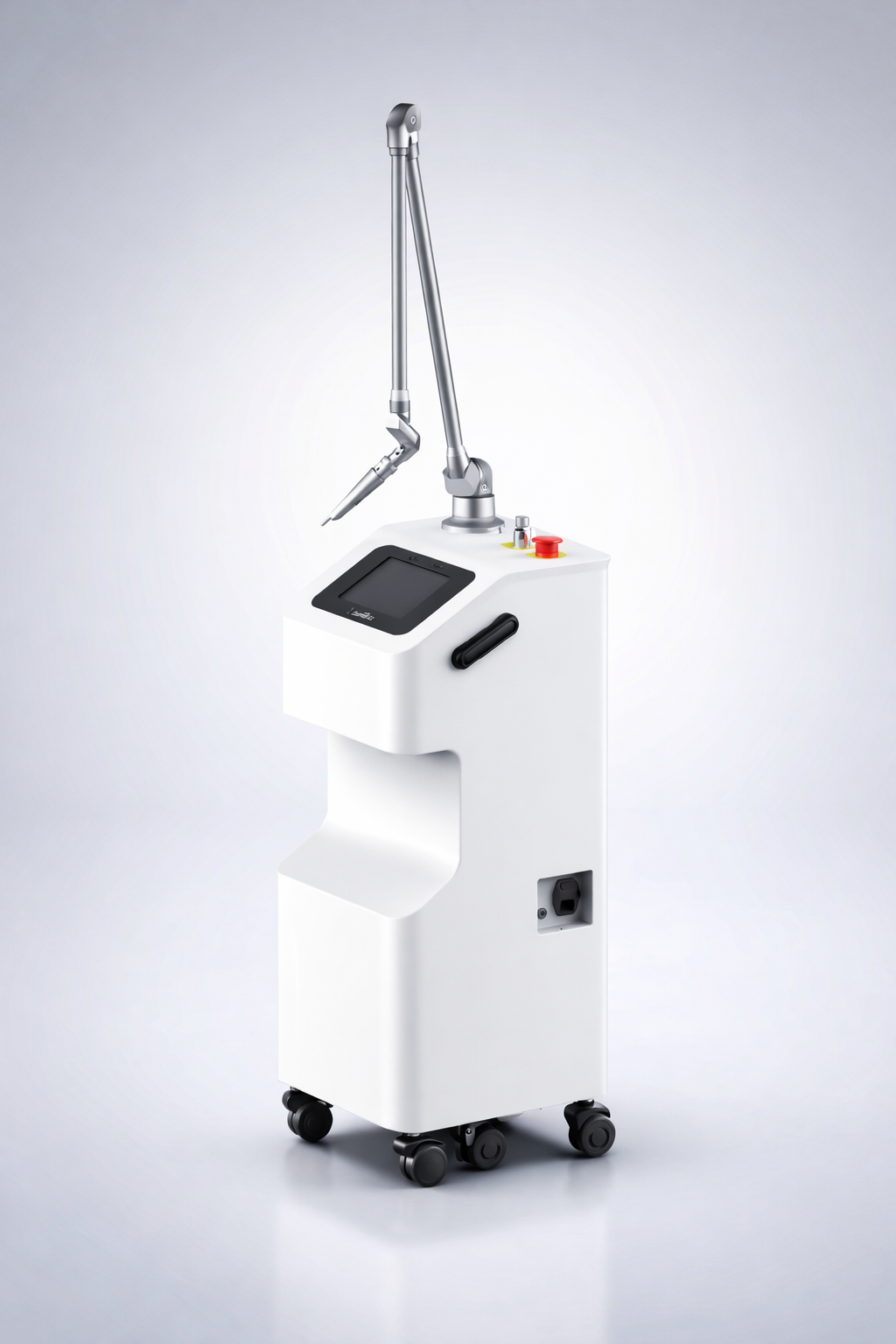
Introducing the CO₂ Surgical Laser made by Youlan: Practical Value for Today’s Veterinary Practices
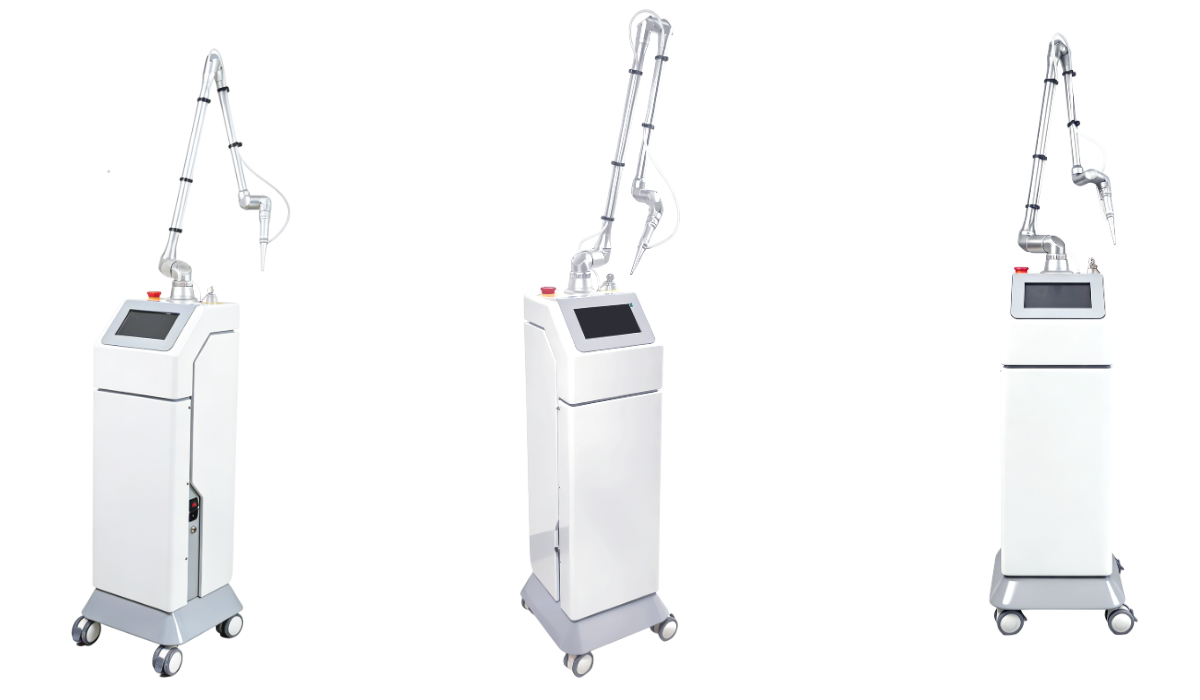
As surgical technology continues to evolve, veterinarians are continuously seeking tools that deliver greater precision, better outcomes, and improved workflow efficiency.
The CO₂ Surgical Laser made by Youlan stands out as a leading tool, combining the trusted physics of a 10.6 μm CO₂ wavelength with modern engineering, intuitive controls, and a thoughtful set of accessories that make it a fit for both general practitioners and specialists.
The Gold Standard Wavelength for Soft-Tissue Surgery
The CO₂ Surgical Laser made by Youlan operates at 10.6 μm, a wavelength with the strongest water absorption among surgical lasers. Because soft tissue is water-rich, this translates to:
Extremely shallow thermal penetration (100–200 μm)
A reversible thermal damage zone under 0.1 mm
Minimal lateral heat spread
Clinically, that precision brings the results veterinarians want most: a virtually bloodless surgical field, reduced postoperative swelling and pain, and faster healing for patients.
From delicate oral masses to periocular work, this wavelength delivers predictable and tissue-friendly performance.
Power and Control for Every Soft-Tissue Procedure
With a maximum output of 40 W and three operating modes (Continuous, Pulse, and Single), the YLQ1000VET adapts instantly to the needs of the procedure.
Power changes are smooth and sharply responsive, allowing surgeons to shift between:
Cutting
Vaporization
Fine ablation
Coagulation
This range means one device can handle everything from gross tumor excisions to ultra-fine detail work—without swapping instruments or disrupting surgical flow.
Ultrapulse Mode: Fine Cutting With Less Thermal Damage
The addition of an Ultrapulse mode provides extremely short, high-peak-power pulses that cut cleanly while minimizing heat deposition. For patients, this means:
Less collateral tissue damage
Cleaner incisions
Faster, more comfortable recovery
For veterinarians, it offers confidence when performing the most delicate soft-tissue procedures.
A 7-Joint Articulated Arm Designed for Daily Clinical Use
The laser’s seven-joint articulated light-guide arm is engineered for effortless control. It offers:
Smooth, flexible positioning
No drift during long procedures
An aiming beam that accurately shows spot size and location
This reduces surgeon fatigue and shortens the learning curve for clinicians new to CO₂ laser surgery.
While the arm contains glass components and should be protected from strong impacts, it remains highly robust under everyday clinical handling.
User-Friendly Interface for Efficient Workflow
The capacitive full-color touchscreen is designed around real clinical use. Veterinarians can:
Store user presets in every operating mode
Recall frequently used protocols in seconds
Set up procedures faster with fewer steps
For busy practices, this saves valuable minutes during each surgery—time that adds up.
A Handpiece Set That Shrinks the Need for Extra Equipment
The YLQ1000VET includes four standard handpieces and offers three optional specialty tips, allowing clinicians to perform soft-tissue procedures across:
Oral
Dermatologic
Ophthalmic
ENT
Urogenital
Anal sac
Tumor
…and more.
This single piece of equipment can enable 10+ high-value surgical services, providing a rapid return on investment, particularly for general practices expanding their surgical offerings.
Compact and Portable for Multi-Room Use
With a compact footprint, the YLQ1000VET can be moved by a single staff member between surgery, dental, and treatment rooms. This makes it especially attractive for:
Multi-room general practices
Specialty hospitals
Mobile veterinary surgeons
Your laser becomes a clinic-wide resource instead of a single-room investment.
Understanding the Limitations
Transparency matters when evaluating equipment, so it’s important to acknowledge two considerations:
Gradual Power Decline Over Time
Like all metal-tube CO₂ lasers, the YLQ1000VET may experience a gradual reduction in output after approximately three years of clinical use. This depends on factors like daily operating time and case volume. Surgeons can simply increase the power setting to maintain clinical effect, and tube replacement is typically infrequent.Mechanical Fragility of the Articulated Arm
The articulated arm includes glass components. It is sturdy under normal in-clinic handling, but should not be dropped or subjected to hard impact. Standard care and proper storage prevent issues.
These trade-offs are common to CO₂ laser technology and are easily managed in routine practice.
The Best In Its Class
The CO₂ Surgical Laser made by Youlanis a solid offering because it delivers the combination veterinarians need most:
Best-in-class wavelength for soft-tissue precision
Strong, adjustable power with versatile operating modes
Ultrapulse capability for fine cutting and low thermal damage
Reliable, drift-free articulated arm
Workflow-friendly touchscreen with user presets
Integrated smoke evacuation
Handpieces that support broad surgical capability
A compact, clinic-friendly design
A price point that allows rapid ROI
It’s a practical, high-performance CO₂ laser designed specifically for everyday veterinary use—and it offers the features clinicians value without unnecessary complexity or cost.

Integrating CO₂ Laser Surgery Into Your Veterinary Practice: What to Expect
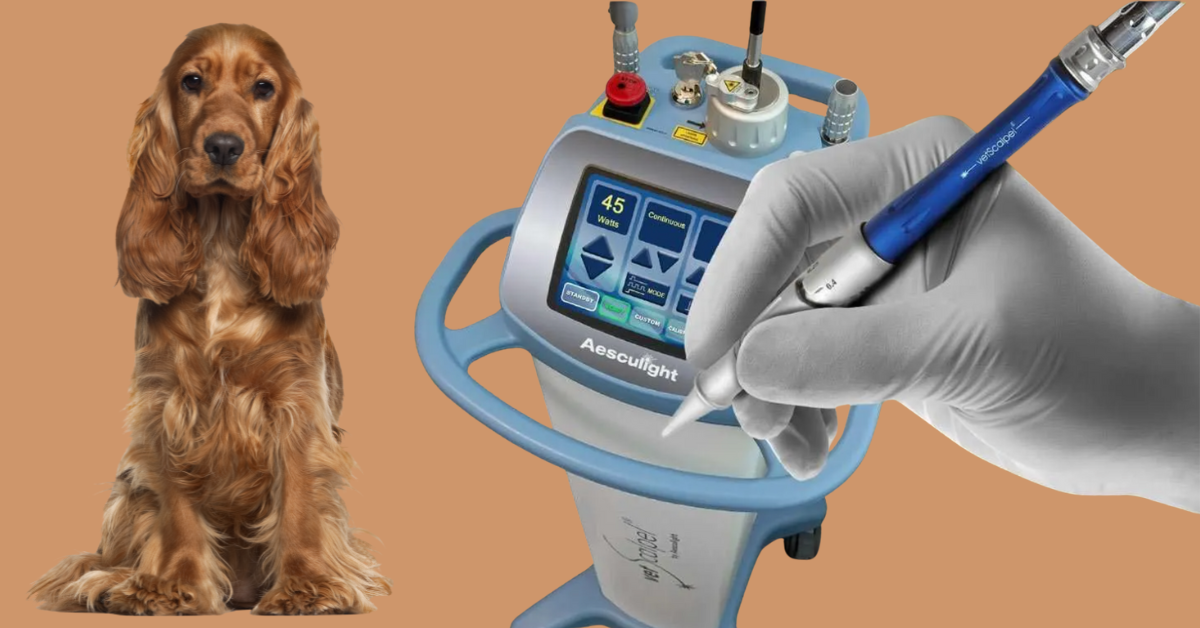
Why CO₂ Laser Surgery Belongs in Every Vet Practice
You’ve heard the buzz about CO₂ laser surgery — cleaner incisions, less bleeding, smoother recoveries — and maybe you’ve even seen a few impressive demos. But what does it really look like to bring this technology into your practice?
Transitioning to laser surgery isn’t just about new equipment. It’s about improving patient care, elevating your standard of medicine, and creating a smoother experience for both your team and your clients. Here’s what to expect when introducing a CO₂ laser into your veterinary practice.
Preparing Your Space: Setting Up for Success
Before your new laser arrives, evaluate your surgery suite setup. CO₂ lasers don’t require major renovations, but a few simple adjustments can make a big difference:
- Electrical requirements: Most units plug into standard outlets, but confirm with your manufacturer.
- Ventilation: Use a proper smoke evacuator to maintain air quality and visibility.
- Safety signage and eyewear: Lasers require specific protective glasses for both staff and patients.
- Workspace organization: Keep the laser cart accessible but away from high-traffic zones.
Taking time to fine-tune your surgical space ensures your team starts off confident and compliant.
Training Your Team
Your laser is only as effective as the people using it. Most manufacturers and distributors offer hands-on training when you purchase your device. Training usually covers:
- Operating controls and safety protocols
- Tissue interaction and power settings
- Case selection and clinical best practices
- Maintenance and cleaning procedures
Include your technicians early — they play a key role in setup, eyewear distribution, and smoke evacuation, ensuring smooth surgical flow.
Updating Safety Protocols
Like radiology equipment, CO₂ lasers come with specific safety requirements. You’ll need to:
- Post laser safety signage in the surgical area
- Maintain protective eyewear for all personnel
- Keep detailed laser use and maintenance logs
These steps ensure compliance and demonstrate your commitment to safety.
Communicating Value to Clients
Once your team is ready, it’s time to educate your clients. Most pet parents have never heard of CO₂ laser surgery — or imagine it’s the same as a cat toy pointer. Keep it simple:
“A CO₂ laser uses a concentrated beam of light instead of a scalpel. It seals small blood vessels and nerve endings as it cuts, resulting in less pain and faster recovery.”
Highlight what matters most to them — their pet’s comfort:
- Less pain: Seals nerve endings during surgery for reduced discomfort.
- Less swelling and bleeding: Creates a cleaner field and smoother recovery.
- Faster healing: Smaller incisions help pets bounce back sooner.
You can draw parallels to human medicine: “Just like human surgeons use lasers for delicate procedures, we use it to make your pet’s surgery as gentle as possible.”
Share the message on your website, in exam rooms, and through social media. If you add a small upgrade fee, frame it as an investment in their pet’s comfort and safety.
Measuring ROI: How Laser Surgery Pays for Itself
A CO₂ laser isn’t just a clinical upgrade — it’s a business investment that often pays for itself within a year. Here’s how to maximize ROI:
- Add a modest “laser surgery” fee ($50–$150 per procedure)
- Increase surgical volume as clients choose advanced care
- Attract new patients by marketing your laser-equipped practice
Over time, improved efficiency and fewer complications save both time and costs.
Start Small, Grow Confident
You don’t have to switch every surgery to laser right away. Begin with cases where it offers clear advantages, such as:
- Small mass removals
- Gingival surgeries
- Eyelid or perianal tumor removals
As your team gains experience, expand into more complex applications.
Bringing It All Together
Integrating a CO₂ laser into your veterinary practice quickly proves its worth — for your patients, clients, and staff alike. The learning curve is short, the impact is immediate, and the benefits last for years. With the right setup, training, and communication, laser surgery can become one of your clinic’s most valuable offerings.

Why More Veterinarians Are Replacing the Scalpel With a CO₂ Laser

Replace the Scalpel With a CO₂ Laser
Do you ever go into a soft-tissue surgery wishing for less bleeding, cleaner margins, and a calmer recovery for your patient? Across veterinary medicine, more surgeons are setting down the traditional scalpel and picking up a CO₂ laser.
At first glance, it might look like a flashy upgrade. But dig a little deeper, and you’ll find that this technology brings real, measurable benefits for your patients, your staff, and your bottom line.
Precision Without All the Bleeding
One of the biggest perks of a CO₂ laser is precision. Instead of a mechanical cut, the laser uses a focused beam of light that vaporizes tissue at the cellular level.
That precision means:
- Less bleeding: The laser instantly seals small blood vessels as it cuts, giving you a clear field and saving time on hemostasis.
- Less trauma: You’re not tearing or crushing tissue with mechanical pressure.
- Cleaner margins: Especially helpful in delicate areas like the mouth, eyelids, or perianal region.
Surgeons often describe it as “cutting with light” — and it really does feel that smooth once you’ve made the switch.
Happier Patients, Faster Recoveries
Because the CO₂ laser cauterizes nerve endings as it incises, many patients experience less postoperative pain and reduced inflammation. That translates to faster recoveries and fewer post-op complications.
You’ll often notice less swelling and bruising in soft-tissue cases and find that patients usually start eating, playing, and moving sooner.
Pet parents see the difference, too. When “Henry” bounces back faster after a lump removal or soft palate resection, that experience builds trust — and word-of-mouth referrals.
Efficiency in the OR
The first time you use a CO₂ laser, you’ll notice how much cleaner the surgical field stays. Visibility improves, suturing is easier, and procedures often take less time overall.
Veterinarians report time savings of 10–30% on common soft-tissue surgeries compared to traditional blade techniques. Over the course of a week (or a year), that efficiency adds up — both in time and in revenue potential.
Top 5 Surgeries That Benefit Most from a CO₂ Laser
CO₂ lasers are particularly valuable for soft-tissue procedures where bleeding, pain, and inflammation can complicate recovery. The laser provides clear surgical fields, reduced post-op discomfort, faster healing, and less swelling. Consider surgeries like:
- Mass Removals: Cleaner margins, minimal bleeding, and less trauma to surrounding tissue.
- Oral Surgery: Precise cuts in vascular areas, reduced bleeding, and improved comfort post-op.
- Soft Palate Resection: Excellent visibility and control in delicate, high-vascular regions of the oropharynx.
- Entropion or Eyelid Tumor Removal: Minimizes bleeding and swelling in sensitive periocular tissues, allowing better cosmetic and functional outcomes.
- Perianal or Perivulvar Tumor Excision: Laser cauterization provides hemostasis and reduces risk of infection in these challenging, bacteria-prone areas.
A Cleaner, Safer Veterinary Practice
On top of its surgical benefits, laser surgery can also reduce the risk of infection. The high-energy beam sterilizes as it cuts, eliminating bacteria in the incision line.
Less bleeding and less tissue trauma also mean fewer open wounds and less drainage, so you’ll spend less time managing wound complications or bandage changes.
A Better Experience for Your Clients
From your client’s perspective, laser surgery sounds modern — because it is. But it’s not just a marketing buzzword; it’s a meaningful advancement that improves patient outcomes.
When you can tell pet owners that:
- The procedure involves less bleeding and discomfort
- Their pet will recover faster and likely need fewer pain medications
- The technology offers a cleaner, safer incision
…you’ve just elevated your practice’s image while genuinely improving patient care.
Return on Investment
Yes, a CO₂ laser is an investment — typically between $25,000–$45,000, depending on the model and features. But when you integrate it into your daily caseload (spay/neuters, mass removals, gingival hyperplasia, soft palate resections, etc.), the ROI becomes tangible.
Practices that charge even a modest $75–$150 laser surgery fee per case can see the unit pay for itself within the first year. And that’s before you factor in time saved, client satisfaction, and surgical precision.
Elevating Your Standards
Switching from a traditional surgical knife to a CO₂ laser doesn’t just modernize your practice — it elevates the standard of care. You’ll perform cleaner, faster surgeries, your patients will heal more comfortably, and your clients will see the value immediately.
For many veterinarians, once they experience “cutting with light,” there’s no going back.

A Veterinary Buyer’s Guide to Today’s Leading CO₂ Lasers
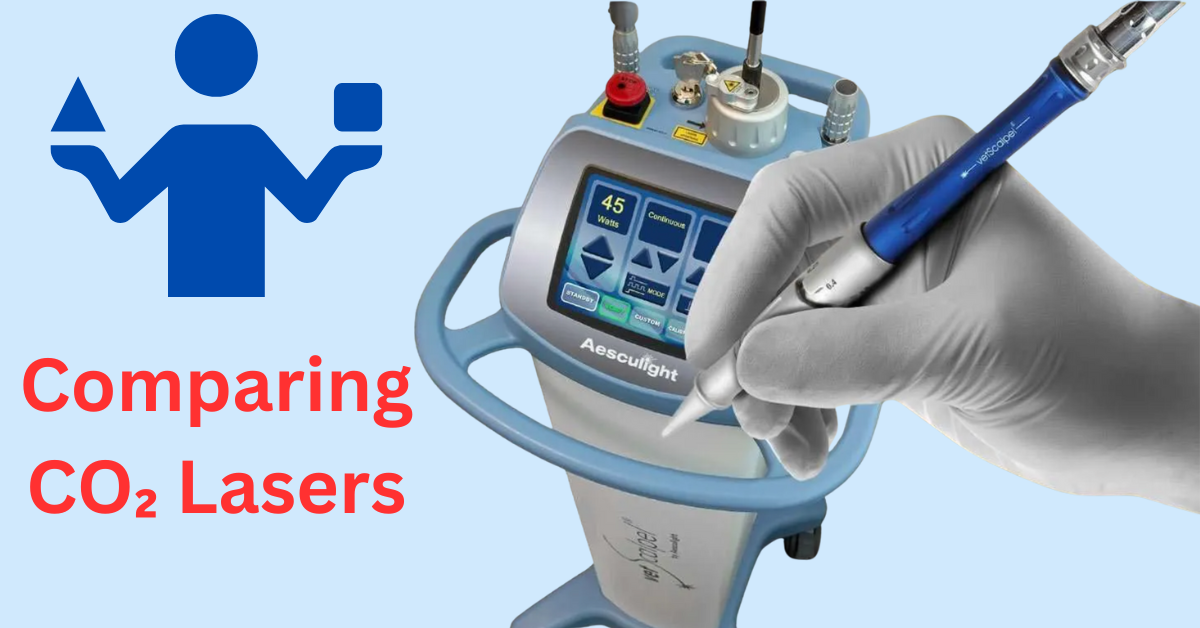
Today’s Leading CO2 Lasers for Veterinary Surgery
Shopping for a CO2 surgical laser is a smart move—these systems are workhorses for precise soft-tissue procedures. But the market can feel messy: vet-specific brands, refurbished human-market systems, tube services, and a wide range of warranty options. This guide compares what matters most so you can choose confidently.
The Three Serious Contenders
VetScalpel / Aesculight
Vet-focused family of CO2 lasers with veterinary handpieces, presets, and extensive training support.
Lumenis AcuPulse
Human surgical/aesthetic platform commonly repurposed for vet clinics; strong performance, varies by reseller.
LightScalpel LS-2010
Compact, modern CO2 laser with flexible fiber delivery, 50 presets, autoclavable handpieces, and built-in training.
A Closer Look at Each Laser
1) Aesculight / VetScalpel (Veterinary-Focused)
- What it is: CO2 lasers built for veterinary use (VS-3020, VS-4025, VS-4530) with flexible fiber delivery and veterinary presets.
- Pricing: Typically $30k–$45k new or $8k–$15k used, depending on age and configuration.
- Warranty & support: 5-year warranty, veterinary training, and trade-in options.
- Best for: Clinics wanting a dedicated veterinary system with strong manufacturer backing.
2) Lumenis AcuPulse (Cross-Market / Refurbished)
- What it is: Human CO2 platform with SuperPulse modes and scanner options, often placed in vet settings via refurb channels.
- Pricing: $13k–$15k for refurbished, $20k–$30k for newer dealer units.
- Warranty & support: 30–90 days typical for refurbished units; longer for new.
- Best for: Practices seeking high performance at lower cost, comfortable with cross-market service.
3) LightScalpel LS-2010 (Newer Entrant, Vet-Friendly)
- What it is: Air-cooled CO2 laser with 20 W continuous, 10 W SuperPulse, fiber delivery, and autoclavable handpieces.
- Pricing: Quote-based, similar to other high-end veterinary lasers.
- Warranty & support: 5-year parts & labor warranty plus on-site training.
- Best for: Clinics wanting a compact, modern system with strong warranty and included training.
Side-by-Side Comparison
| Category | VetScalpel / Aesculight | Lumenis AcuPulse | LightScalpel LS-2010 |
|---|---|---|---|
| Upfront Cost | $30k–$45k new; $8k–$15k used. | $13k–$30k depending on dealer/refurb status. | Quote-based; similar to other vet-grade CO2 systems. |
| Warranty & Training | 5 years; includes veterinary training. | 30–90 days typical; longer on new units. | 5 years; includes on-site training session. |
| Clinical Fit | Veterinary-built; presets and vet handpieces. | Versatile but designed for human procedures. | Modern fiber system; compact and user-friendly. |
What to Confirm Before Buying
- Exact warranty terms — especially tube and consumable coverage.
- Local service support and turnaround time for repairs.
- Training options: on-site or virtual, initial and ongoing.
- Financing terms: lease vs. purchase and promotional options.
TL;DR — Quick Recommendations
- Best full veterinary support: VetScalpel/Aesculight — proven systems with 5-year coverage and training.
- Best budget flexibility: Lumenis AcuPulse — strong power and low entry cost via refurbished options.
- Best warranty and training mix: LightScalpel LS-2010 — compact design with on-site training included.