

Choosing the Right Location for Your Vet Hospital or Clinic

When starting your own veterinary practice, location is one of the most important decisions you make.
Here are some considerations to help you pick the perfect place…
Where Do You Want to Be?
If you’re firmly rooted in your current location—due to family or a strong tie to the community—then go ahead and explore the options in your town or nearby within a reasonable driving distance.
But, if you’re more flexible, looking outside your city may present more options to choose from.
If you’re staying close to home, remember to look at the non-compete clauses of all the practices you’ve worked for recently.
What Do You Need to Consider About Your Desired Location?
So, you have an idea of where you’d like your future practice to be. But, how do you know that location will be sustainable for your new business?
Evaluate your potential location(s) for…
Visibility/prime location in the community.
A high-traffic area may help new clients find you. But, a prime location can also be more expensive.
Ease of access.
Is it convenient to reach your practice from the road? Is there plenty of parking? Is there a spot for dogs to go to the bathroom?
Is there enough space?
Consider anything you might want to add in the future (such as a boarding facility)—will there be enough room on the property for this?
What’s the veterinary community like?
Is the area already saturated with the competition? Or, is there room for one more?
What will differentiate your new practice from other veterinary businesses in the area?
What’s the clientele like?
Is the average income in the area consistent with the prices you’re planning to charge for your services?
Which businesses are your neighbors?
A dog grooming salon could be a perfect neighbor to form a mutually beneficial relationship with. On the other hand, sharing a wall with a club that plays loud music might not be good for keeping pets calm.
Is the population growing or declining?
For many of these considerations, it’s best to work with a veterinary or start-up consultant.
Do You Want an Existing Practice, Or Something Totally New?
Many experts report that existing practice is favored by lenders since there will already be an existing, provable business structure and cash flow.
But, the disadvantage of this option is that it may be harder to make changes and create a practice that’s truly your own. Existing staff and clientele may be expecting things to be done the same way they’ve always been done.
Here are some important questions if you’re thinking about buying an existing practice…
How was the asking price calculated?
You’ll also have the chance to get your own valuation with a consultant, to be sure the price is appropriate.
What’s included with the sale, and what isn’t?
Don’t assume the x-ray machine and other equipment are included (and in good working order), only to find out they’re not.
Why is the current owner selling? What are their plans for their own career after the sale?
Are there any special terms or conditions?
Other buying options include:
an existing non-veterinary structure
or building your own practice from the ground up.
Each of these options has its own pros and cons.
When purchasing an existing non-veterinary building or unit, look into what sorts of renovations are needed to create space for major equipment, a surgery suite, exam rooms, etc.
This may be a good in-between option that allows you to build your own practice culture, and that’s less expensive than starting from scratch with a new structure—assuming the renovations aren’t price prohibitive.
If you decide to build your own practice, you’ll have the most freedom in terms of seeing your own dream practice come to life.
But, this option can be very expensive, and it will take time to build a clientele. You’ll need a solid business growth plan to show lenders they can take a chance on you.
Should You Rent Or Buy?
Here are some things to consider about renting…
A leased space may be less expensive than buying (according to some consultants, your loan will be half or even just a quarter as much as buying a practice).
You may be limited in renovations and expansion potential.
How and when will the rent go up?
Are repairs (such as a plumbing leak) covered by you or the landlord?
When buying, think about these factors…
Is the higher loan amount realistic for your immediate income needs?
Will the current owner cover repairs that are needed right away? You certainly don’t want to buy a practice only to discover an expensive foundation or roof repair is needed!
How Do You Figure All of This Out?
If you’re working and have your hands full with a packed appointment schedule, you may be wondering how you’ll find the time to do all this research and make an informed decision.
That’s where the right consultant (or team of consultants) comes in. Experts you work with may include a: veterinary consultant, start-up consultant, veterinary practice appraiser/valuator, accountant, banker, architect, real estate agent, attorney.
Every situation is unique, so your list of consultants may look different than this. In general, try to find professionals who have experience with veterinary practices and understand the nuances of your industry.

All of this may take time, but it’s important to have patience. Rather than rushing into something that isn’t quite what you wanted, you’ll be excited the day you open the doors to your dream practice!
Written by: Dr. Tammy Powell, DVM

Top Features of Poskom X-ray for Mobile Veterinarians

Call: 877-545-1202
If you want to take an X-ray anywhere, a battery-powered generator is an excellent option.
The Poskom-powered portable X-ray generator offers the ultimate portability, making it a popular choice among mobile practitioners.
Capture X-ray Images Anywhere
Since the Poskom VET-20BT is cordless with long battery life, you’re not limited to an external power source during the course of your daily practice or on-call shifts.
That means that as an equine practitioner, you can conveniently use the machine in a barn or out in the field, without a power outlet nearby.
And as a small animal veterinarian, you can easily port your x-ray equipment with you—which is perfect for mobile practitioners.
No Cord, No Fuss
The Poskom battery-powered portable X-ray generator is cordless, which means it takes less time for you to set up for a procedure and then pack everything up again.
No cord also means no chance of anyone tripping over the cord or of patients becoming entangled.
Wireless Technology
In addition to the power supply without a cord, the Poskom VET-20BT also uses wireless communication between the generator and the plate.
Radio-frequency (RF) communication enables images to be captured without a wire between the generator and the DR interface.
Lightweight and Compact
The generator is only 36 x 20 x 17 cm (approximately 14 x 8 x 7 inches), and weighs merely 6.8 kg (15 pounds). This makes it the lightest, most compact battery-powered generator on the market.
If you’re short on storage space or need to carry your equipment all day, a compact, lightweight unit can really make your life easier.
Long Battery Life
With one full charge of the high-capacity lithium-ion battery, you get up to 300 exposures—which means you shouldn’t have to deal with a battery running low right when you need it!
For easy battery monitoring, the Poskom x-ray generator also features an energy balance indicator (so you know when to charge the battery) and an LED indicator for when the battery is fully charged (which usually takes just 2-3 hours).
And should you need to replace the battery (its lifecycle is over 5 years, with no maintenance required), you’ll find the process simple and easy.
High-Frequency Technology Means Good Quality
The compact Poskom VET-20BT features advanced high-frequency technology with 20 mA and 90kV capabilities.
High frequency means a strong power output, with stable/repeatable settings for consistent, high-quality images.
So you receive excellent images with fewer retakes.
Easy to Use
In addition to being lightweight, compact, and cordless, the Poskom battery-powered portable X-ray generator is simple to use, with the option of programming your favorite settings so you don’t have to adjust the settings every time.
The collimator features a dual laser alignment system and a push-button light with a 30-second timer.
The Poskom portable X-ray generator is cordless, lightweight, and easy to use. Capture clear images fast with wireless tech and long-lasting battery life

If taking an X-ray anywhere, without the need for electricity or an external power source, sounds good to you, click here to learn more. - https://newvetequipment.com/generators/tables/poskom-generator-x-ray
The Poskom VET-20BT is available for affordable monthly payments (so it can pay for itself and earn a profit right away with use each month), as well as a 3-year warranty.
Written by: Dr. Tammy Powell, DVM

Midmark vs Dentalaire: Best Dental X-Ray Options for Vets

Midmark Dental X-Ray and Dentalaire Dental X-Ray for Veterinarians
Dental radiography is generally considered part of the standard of care for veterinarians who perform dental cleanings, extractions, and other procedures in their practice.
There are many reasons why dental x-rays are important. Just a few examples include: identifying different types of FORLs to determine the best course of treatment, confirming full removal of all root tips during a difficult extraction, discovering and documenting pathology such as the full extent of damage from periodontal disease and whether the location of a missing tooth is hiding a dentigerous cyst under the gumline.
If you’re new to dental x-rays or looking to replace or upgrade your equipment, here are some important considerations, as well as information on two major equipment providers: Midmark dental x-rays and Dentalaire dental x-rays.
Considerations for Purchasing a Dental X-Ray Unit
Here are a few questions to ask yourself (and discuss with sales reps and colleagues) prior to your purchase…
What equipment do you need? Do you need to purchase EVERYTHING? Or, do you just need a new sensor… a new generator or processer… or new software? If you don’t need an entirely new unit as a whole, purchasing just the pieces you need can save significant money. Just check for compatibility issues if you are purchasing components from a different manufacturer or newer components to pair with older models.
What’s your dental x-ray space like? Do you need a wall-mounted unit or something on a stand? Or even something handheld?
What type of service contract or warranty is provided? What are the ongoing and renewal costs? Is bite damage for sensors covered? And is loaner equipment provided while your equipment is being repaired?
How is the software? Is it user-friendly? Does it provide all the functions you need?
What type of sensor(s) do you need? Are you interested in film, CR (phosphor plates), or DR?
Some practitioners like DR for its speed, but dislike the limited size options and rigidity of the sensors. DR is also more expensive to replace. Film and CR, on the other hand, are generally available in sizes ranging from 0-4, to cover small, medium, and large patients. And CR can still be pretty fast. Opinions and preferences vary, so you’ll need to see what works best for you.
Does your staff know how to take dental x-rays? There’s a learning curve, so ask about training provided by the seller, if available.
Comparing Midmark Dental X-Ray and Dentalaire Dental X-Ray
Midmark and Dentalaire and both excellent providers that offer a wide array of dentistry equipment, including anything you’d need to start doing dental x-rays or update/replace your current equipment.
Here are some of the main selling points advertised by each company:
Generator settings and usability: Both Midmark and Dentalaire note their dental x-ray generators are user-friendly and simple to operate, with intuitive, easy-to-read displays and veterinary-specific options. Both have options to input your own settings or to use pre-programmed techniques. Additionally, Dentalaire notes that exotics and extremity settings are included.
Positioning arm: Both providers claim a well-constructed positioning arm that’s easy to move, with precision braking for preventing drift.
Image quality: Both Midmark and Dentalaire dental x-ray systems are generally well regarded by veterinarians for image quality. Additionally, they each advertise a focal point of 0.4mm for high-resolution images with sharp, clear details.
CR equipment: Midmark and Dentalaire both offer CR sensor plates in all sizes, as well as readers.
DR equipment: DR technology is continuing to evolve!
In fact, Midmark notes that they have the world’s first bite-resistant sensor, and they stand behind it with a 5-year warranty (including one free sensor replacement in case of catastrophic damage).
Dentalaire advertises a sensor that is also resistant to bite damage, especially when paired with their protective boot covering, and they offer a 3-year warranty for upgrades.
For both companies, DR sensors come in both size 1 and size 2.
Software: Both Dentalaire and Midmark have comprehensive and user-friendly software with DICOM capabilities and compatibility with PACS. Midmark advertises that their software integrates with leading practice management systems and offers the ability to enhance images. Dentalaire notes they have customizable patient reports and advanced image comparison available on-screen.
Training: Dentalaire offers four hours of on-site training in dental x-ray positioning. Midmark also offers in-clinic training, and their training is RACE approved for CE credits for both veterinarians and technicians.
Support: Each company offers technical support.
Conclusion
There are several excellent providers of veterinary dental x-ray equipment. Midmark and Dentalaire and two major contenders, and both have great offerings. The one you choose may come down to personal preference.
Consider asking your sales reps or providers for demos, and for references of other veterinarians who have the equipment and can give you the pros and cons they’ve experienced.

Also, ask about any ongoing or additional costs. By having as much information as possible, you can find the equipment that’s the best fit for your individual practice.
Written by: Dr. Tammy Powell, DVM

Nomad Pro 2 Dental X-Ray Generator Benefits Your Practice
Dental radiographs are an important part of your patients’ dental care. These images allow you to diagnose dental or periodontal pathology, form the best treatment plan, and confirm the successful removal of any extracted teeth.
When it comes to dental x-rays, you have a lot of options in terms of finding a unit that suits your needs and your practice style.
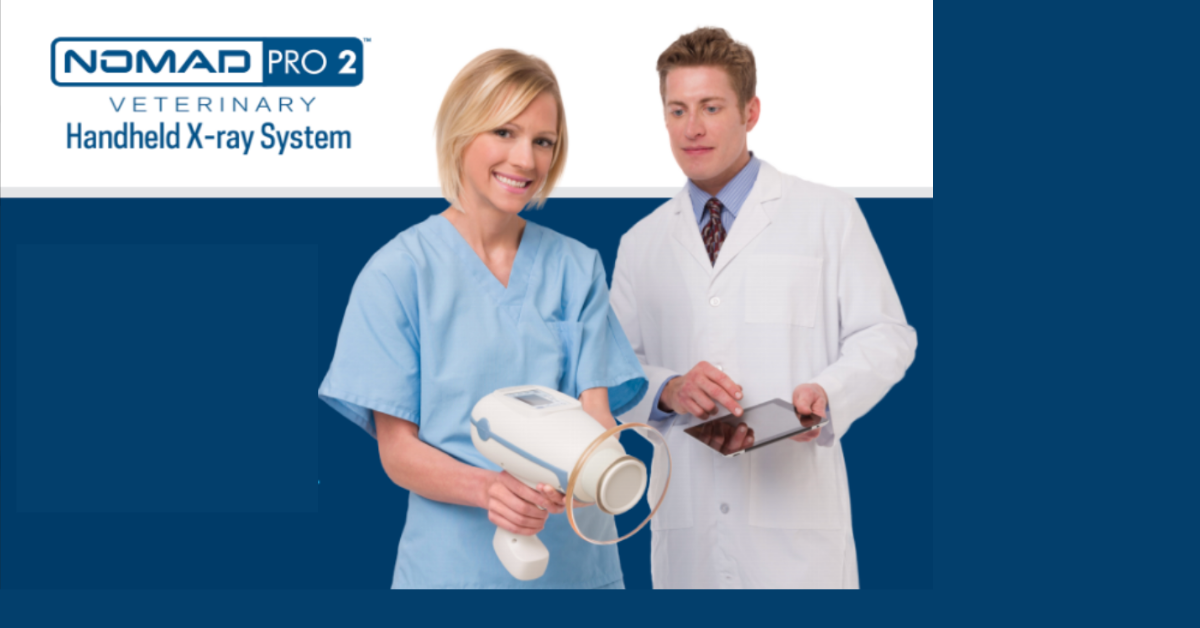
If you’re looking for flexible use and high quality—especially if you’re a mobile practitioner, a practice where space is at a premium, or just like the convenience of a handheld unit—a Nomad Pro 2 dental x-ray generator from Aribex may be right for you.
How Can a Nomad Pro 2 Dental X-ray Generator Help Your Practice?
Every practice has different needs. For example, maybe your practice space or setup dictates the type of equipment that’s best for you. Or maybe the right payment plan, equipment capabilities, or required training for use may help you make your decision.
The following benefits of the Nomad Pro 2 Veterinary dental x-ray generator can meet the needs of many different practice styles and setups…
Simple and convenient operation. The generator is light to hold and easy to operate. Rather than being attached to a cart, a wall, or any other fixed structure, the generator is handheld, weighing merely 5 ½ pounds (2.5kg).
An ergonomic grip and an intuitive, simple display for the settings also allow for ease of use.
Easy setup. There’s no installation or re-wiring required—and no need to renovate your clinic to set up for dental radiographs. With a small, portable unit, you can make any table or space into an effective x-ray station.
Move the unit, not the patient. You can capture images from any angle, even difficult or oblique angles, without excessive repositioning of the patient.
Flexibility for your practice. Capture images anywhere! The cordless, battery-operated unit is suitable for dental, small animal, exotic, and equine use, and for use with film, phosphor plates, and digital sensors.
Location independence. Choose the best spot in your clinic for dental radiographs, without being limited by tight spaces. Handheld units are also ideal for mobile practitioner needs, and the generator may be used outdoors.
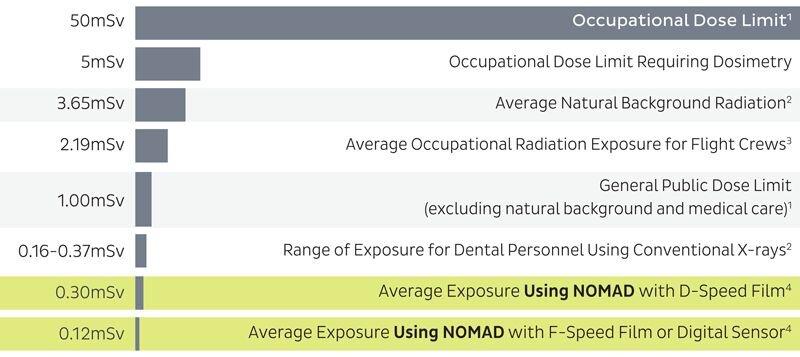
Safety for staff and patients. The unit operates with low radiation exposure.
Compare the annual, whole-body radiation exposure between the Nomad Pro 2 dental x-ray generator and other common exposure scenarios:
Internal shielding (which prevents leakage from the x-ray source) and external shielding (to block backscatter radiation) also contribute to safety, protecting your team from unnecessary radiation exposure.
This also means your team member can stay with the patient while taking x-rays.
Consistently sharp, clear images. Specifications include a 0.4mm focal spot, 60kV DC x-ray generation, and an mA of 2.5. The generator allows your team to quickly capture high-quality images.
Affordability. The easy setup, without major installation, makes it easy to get started. And simple monthly payments mean the generator can pay for itself each month—so you can start making a profit and return on investment right away.
Tips for Getting Started
Use the best financing option for your practice. Low monthly payments mean you can make a profit right away just by using your new generator a couple of times per month.
And if you need an intraoral sensor and software to go with your generator, ask us about an affordable bundle that includes all three.
Protect your investment. Ask about a warranty for your machine.
Invest time informal training. You probably know that new equipment is best utilized if your team feels comfortable using it. By training your team to take all the dental views you need, they’ll be able to comfortably and effectively capture images in a matter of minutes.
Work the cost of dental x-rays into your estimates. Client education can help your clients understand why dental x-rays are so important with any dental procedure. And by including the cost together with your dental procedures (rather than as an “add-on” service), it helps convey that dental radiographs are a necessary part of your patient care plan.

Envision what it would be like to have a quick and easy dental x-ray system in your practice, to help improve patient care and improve your bottom line.
Any questions about how a Nomad Pro 2 dental x-ray generator from Aribex can fit into your practice space, workflow, or budget? Just give us a call or contact us here!


Mental Health and Work-Life Balance for Veterinary Practice Owners

Veterinary medicine can mean a busy schedule and emotional ups and downs.
Unfortunately, recent data suggest that this, along with other factors of daily practice, can take a toll mentally and emotionally.
Plus, as a practice owner, there’s the additional pressure of running a business.
You got into this profession because you love pets and want to help them—and that can make for a very rewarding career.
The trick is finding ways to care for yourself.
This may look a little different for everyone, but here are some popular suggestions that have helped many veterinarians find more energy, wellbeing, and balance…
Set Boundaries
When you love animals, it’s natural to want to help every pet who needs care. But failing to set boundaries can lead to burnout.
In addition to the turmoil it causes in a person’s life, burnout can also interfere with the ability to help pets over the long-term.
Setting boundaries can mean a number of different things, depending on your personal preferences and what your work rules allow. Here are a few suggestions…
Put breaks into your schedule
Giving yourself 5-20 minutes to recharge in the morning and afternoon (in addition to your lunch break) can be immensely helpful during a busy day.
Have clear cut rules for scheduling
For example, is double booking allowed? Can you go to lunch rather than seeing the patient that walks in at lunchtime (assuming it’s not a life-threatening emergency)?
To accommodate these and other scheduling surprises, it helps to leave a few appointment slots open each day—that way, you have enough time for all patients rather than running yourself to exhaustion trying to fit everyone in.
Set boundaries with clients
For example, if you give your phone number out to pet owners, be sure they know when and under what circumstances they can call you.
Or if a client is acting really outrageous and causing stress for all employees, it may be in your team’s best interest to “fire” that client to protect everyone’s time, energy, and morale.
Say “no” sometimes
This might mean coordinating with another doctor at your practice to take over care of your patients on your day off, so that your team isn’t calling you at home unless absolutely necessary.
You deserve to enjoy some days off!
Focus On the Positive
Despite your intelligence, knowledge, and passion, some things are out of your control.
Even with your best efforts, sometimes pets don’t get better—due to the nature of their medical condition, or due to owners not agreeing to the type of care you’d like to provide.
This happens to everyone. And while it’s hard to accept, it may help to focus on all the good memories—all the times you’ve helped pets, all the thank you cards from clients, etc.
Sometimes negative thoughts—whether it’s a client who said something rude or the loss of a patient you care about—dominate our minds. It’s human nature.
But usually, the good days outweigh the bad. It’s just a matter of training our brains to refocus on the positive.
Figure Out What Brings You the Most Fulfillment
Find ways to make your daily work life as enjoyable as possible.
This could mean cultivating relationships with clients.
It could also mean community involvement, such as charity efforts, puppy/kitten classes, or informational talks on pet nutrition or other topics.
Fulfillment may also mean specializing, or being the “go-to” doctor in your practice for specific procedures or medical conditions that you enjoy working with.
Cultivate Joy
In addition to professional fulfillment, it’s important to cultivate joy in your personal life.
This means some type of human connection—whether that’s a partner, friends, or family.
If you’re working long hours, it’s easy to feel isolated. By doing your best to schedule time with people you care about—even just a quick phone call—you may find that your mood lifts.
Additionally, physical activities, hobbies, learning new things, and other pursuits outside of work can remind you that “there’s more to life.”
This makes it easier to reframe a bad day as something that, while hurtful, is probably small in the scheme of things.
Schedule Time to Slow Down
If you need to sleep or binge-watch a show after a tiring week, go for it!
Or find time to read a book, take a bath, or meditate.
In addition to activities that bring you joy, scheduling “slow time” may help you feel centered, recharged, and in control of your schedule.
Seek Out Support
It’s helpful to find caring people who can listen.
Depending on your needs and circumstances, this may include…
Friends and family.
Colleagues you trust.
Veterinary support groups such as…
Vets4Vets®
A confidential support group for veterinarians associated with the VIN Foundation, which includes everything from weekly group discussions to one-on-one support.
Not One More Vet
An online support network of over 20,000 veterinarians with additional resources, including support in finding temporary relief workers for vets who need a few days off.
A therapist or counselor. Nowadays, there are convenient and reasonably priced online services such as Talkspace and BetterHelp.
Sometimes, just venting to someone in a safe, confidential setting can really lift the weight off of a person’s shoulders.
The National Suicide Prevention Lifeline: 1-800-273-TALK (8255), or text 741 741 to speak to a trained crisis counselor.
The Truth About Balance…
The thing about balance is, it’s dynamic, not static.
That means that as you go through different stages of life, your schedule, priorities, and tricks for recharging yourself may change. The key is to be aware and to adjust as needed.

The better you care for yourself, the better you’ll be able to care for pets—and the more joy you’ll get out of your daily work and personal life.
Resources:
Not One More Vet: https://www.nomv.org/
Talkspace: https://www.talkspace.com/
BetterHelp: https://www.betterhelp.com/
The National Suicide Prevention Lifeline: 1-800-273-TALK (8255), or text 741 741 to speak to a trained crisis counselor.
Written by: Dr. Tammy Powell, DVM

Online Reviews: Your Veterinary Practice-Part 2

Getting More of the Good and Dealing with the Bad
In part one, we offered an introduction to online reviews, including why online reviews matter so much to the success of your veterinary practice.
As a reminder… online reviews can affect your veterinary practice’s reputation, how high you show up in online search results, your ability to attract new clients, and your practice’s bottom line.
Considering that over 90% of consumers read online reviews, it’s more important than ever to “take the reins” and use online reviews to your advantage.
Here’s how…
How To Ethically Solicit Good Reviews for Your Veterinary Practice
Keep it simple.
Your clients are busy, so the easier you make it to leave a review, the more likely they are to do it.
Try placing links to review sites on your website or social media.
Automate the process.
Consider sending automated follow-up emails (or even text messages, which are gaining in popularity as a communication tool for businesses) for well patient visits.
In the message, you can include links to review sites—or even an invitation to leave a review, so long as your invitation follows the rules (some review sites don’t allow you to ask clients for reviews, while others do).
Maximize your use of positive reviews.
Frame and display them in your lobby, use them as quotes on your website, or share them on social media.
Follow up on ALL reviews.
Positive reviews deserve a response just as much as negative reviews do.
In fact, responding to positive reviews can help bond those happy clients to your practice and show future clients that you are attentive and caring.
Thank clients who leave reviews.
If a client goes out of their way to leave you a glowing review, a phone call or thank you card is a quick but effective way to let that client know you appreciate them.
In some cases, it may be appropriate to offer a small thank you gift, such as a bag of treats for their pet. Just be sure to follow the review site’s guidelines for gifts—and use the gift is an unexpected “thank you” after the fact, not as an incentive offered in exchange for a review.
As you can imagine, angry or dissatisfied clients are far more likely than happy clients to take time out of their busy day to leave a review…
Fortunately, you can combat this issue by using the above strategies to acquire more good reviews.
That way, a couple of negative reviews here and there will seem less relevant.
How do you deal with bad reviews?
A bad online review may feel like a punch to the gut—especially if it’s very accusatory or a WRITTEN IN ALL CAPS angry review.
To make matters worse, it can affect new clients’ perceptions of your veterinary practice.
Don’t worry, though… it happens to everyone.
Here are a few tips to help you deal with those inevitable negative reviews…
Take a deep breath.
An emotional, knee-jerk response never helps…
Don’t respond until you’ve had a chance to not only investigate the facts, but answer from a calmer frame of mind.
Determine if the review is legit.
Mistakes happen, and sometimes clients of a different veterinary clinic may mistakenly leave a review on your site. Or, a fake review could come from a disgruntled ex-employee or someone else with their own agenda.
If you’ve determined that the review is false (from someone who isn’t a client), communicate that fact politely in response, then contact the platform or directory and request they remove the review.
Go on a fact-finding mission.
If the review is, in fact, from someone who visited your clinic…
Talk to your team, do some research, and figure out what actually happened.
Look at this as an opportunity to grow.
Sometimes, negative reviews are invaluable opportunities to improve your practice’s communications, customer service, or quality of care. In that regard, a negative review could be a blessing in disguise.
Try to contact the client.
Whether the review was accurate or not, it’s often a good idea to call the client as soon as possible—within 24 hours is a good rule of thumb to diffuse the situation.
Express your concern for the wellbeing of their pet. Listen with empathy, even if their review made you angry. Sometimes, just being listened to will help an angry client calm down.
If appropriate, take measures to make the situation right with the client.
Some people are impossible to please…
On the other hand, some clients will be perfectly happy if you try to make amends.
If the situation seems to be resolved, give the client an opportunity to update or remove the review themselves—and if they don’t do so in a few days, it’s usually okay to politely ask (check on their pet’s wellbeing when you contact the client, too).
Respond to the online review if it’s not removed.
If you haven’t been able to reach the client, write that you hope they will contact you so you can learn more and help to resolve the situation.
If you have contacted them, mention that you were glad you were able to resolve the situation (if applicable) and express your good wishes for their pet.
Always be kind and helpful.
It may be tempting to defend yourself or get into an argument…
But taking the high road and focusing on your sympathy for the client’s pet will leave the impression that you’re professional and caring—something future clients will notice since they’ll read your response along with the original review.
Good rules of thumb…
Always be authentic and caring in your communications, and let your love of pets shine through.
Craft a unique response to each review, rather than using a “cookie-cutter” phrase that’s exactly the same each time.
Respect each client’s privacy, even if their negative review is inaccurate. Revealing personal information (like names or their pet’s medical history) could land you in hot water.

If all of this seems overwhelming, you’re not alone…
Many veterinary practices consult with marketing professionals to help them with online reviews and communications. You may find this option saves you a ton of time, and helps you effectively accomplish your goals so your practice can thrive.
Written by: Dr. Tammy Powell, DVM

An Introduction: Online Reviews and Your Veterinary Practice

Nowadays, many people search online for local businesses before deciding where they’d like to spend their money—and yes, that includes searching for a veterinarian or veterinary practice.
You’ve probably done this yourself when searching for a specific type of restaurant, hotel, dentist, hairstylist, etc…
Have you ever been more inclined to use a business because of a good review—or avoided it because of a bad review?
Well, your potential clients think the same way when it comes to finding a veterinarian…
How much do online reviews matter?
Research indicates that over 90% of consumers read online reviews, and nearly as many incorporate those reviews into their purchase decisions.
Star rating is the number one factor used to judge a business, and 40% of consumers form an opinion about a business by reading just 1-3 reviews online.
This is especially relevant to the Millennial generation—the largest pet-owning population in the U.S.—who are very likely to do online research before choosing a veterinary practice.
In short, all of this means that online reviews can affect your veterinary practice’s reputation, how high you show up in online search results, your ability to attract new clients, and your practice’s bottom line.
So yes—online reviews are VERY important.
Where do online reviews live?
When we say online reviews, that could include a large number of different online platforms where consumers post reviews of products, services, and businesses.
However, there are a few places where you may want to focus your attention since they are the most commonly used platforms…
Google.
When it comes to online reviews, Google is HUGE.
Not only is it one of the most commonly used platforms for reviews, it’s also connected to other modalities such as Google Maps and general online searches.
So even if a pet owner just wants to find your website or get directions to your clinic, there’s a good chance your Google reviews will pop up and be prominent on the page.
Facebook.
This includes “official” reviews, as well as social media posts made by clients on your page or on their own pages.
Yelp.
Whether you love Yelp or hate it, there’s no denying that Yelp pages often feature prominently in online search results.
Other review sites like Angie’s List.
Online directories such as Yahoo Local, InsiderPages, SuperPages, YellowPages, and more.
The Better Business Bureau.
Your own website.
How do you ethically obtain good online reviews?
So, you recognize that online reviews are important to your veterinary practice… but how do you obtain more good reviews in an ethical way?
When we say “ethical,” that basically means the reviews must be genuine, honest, and unbiased—and there are rules in place to help enforce this.
This is important because violation of the rules can result in stiff financial or even legal penalties.
If you fail to follow the rules, you may be in violation of not only the platform’s policies, but also in violation of the Federal Trade Commission (FTC) rules.
Penalties may include a serious plummet in your rankings (Yelp will even add a Consumer Alert warning about your business on their site), removal of reviews, and significant financial penalties.
All of this is in place to ensure reviews stay as honest and unbiased as possible.
To stay on the right side of the rules, here are some things NOT to do…
Don’t “incentivize” reviews—in other words, don’t offer your clients a payment or other reward in exchange for an online review.
Don’t place undue pressure on clients to write reviews.
Don’t pay third parties to write reviews.
Don’t flood review sites with biased reviews from yourself, your employees, or family and friends.
Don’t leave negative reviews for your competitors.
Don’t remove reviews.
If you feel a review is inaccurate or fake, contact the platform to discuss removal.
Stay up to date on the rules, and keep in mind that different sites may have different rules.
For example, at the time of this writing, Yelp is more strict than other review sites when it comes to asking your clients for reviews—it’s against their policies altogether.
Where should I start?
Obviously, there’s a lot to keep up with here…
To simplify the task at hand, focus on these things initially…
Claim all of your online business listings, like Google My Business, your business’s Yelp page, and online directories.
Keep all information up to date, including your location and hours of operation.
Focus on the “big ticket” review sites first and foremost—especially Google, Facebook, and Yelp.
Include reviews on your own website—it’s the only place you have total control over what content you include.
When in doubt, stay on the conservative side of the rules for asking your clients for reviews, to ensure you’re in compliance.
Next week, we’ll have more specific tips for you in terms of how to gather good reviews.
We’ll also cover a topic that’s surely on your mind—that is, how to deal with negative reviews…

Stay tuned for part 2 of this very important topic!
Helpful statistics for online reviews:
https://www.vendasta.com/blog/50-stats-you-need-to-know-about-online-reviews
Written by: Dr. Tammy Powell, DVM

How To Make Your Veterinary Practice Part of the Community

By now, you may have a location in mind for where you want to open your own veterinary practice.
In addition to strategic reasons for choosing your location, it’s important to think about the community you’ll be a part of.
Maybe you already live in the area and know exactly what to expect in terms of clientele and local pet events.
Or, maybe you’re a new arrival and are eager to learn as much as possible about the community.
Either way, here are some things to consider that could help your practice thrive and become a household name among local pet owners…
Partner With Local Businesses
A good way to become part of the local pet network is to get out there and meet your “neighbors”—that is, other owners of pet-centric businesses in your neighborhood, town, or city.
This could mean…
Pet groomers.
Boutique pet gift and supply shops.
Boarding facilities.
Pet trainers.
Rescue groups or shelters.
Other veterinarians, especially with complimentary services like acupuncture, exotics, and specialty or emergency services.
Of course, you’ll resonate with some of these business owners’ pet care and business philosophies more than others.
But you won’t know which ones are a good match until you make the effort to meet them.
When you find colleagues with whom you’d like to partner, think about setting up a mutual referral program.
For example, if your clients ask about a groomer, you can tell them about the pet salon you recommend—and tell them to mention you referred them, for a discount (pre-arranged with the pet grooming salon’s owner, of course).
And vice versa, the groomer could refer new clients to you if they notice allergic dermatitis, ear infections, anal gland issues, or other concerns during grooming.
Set Up a Charity Effort
This may be a little bit of a challenge at the beginning when you’re trying to get your business up and running and cash flow is tight.
But even small efforts or funds could be helpful to start. It’s all about goodwill and showing how much you care about pets.
Plus, on tough days, it may make you smile to think about a good deed that’s not directly tied to the ups and downs in your appointment schedule.
One example of charity is a small donation to a local animal shelter or rescue group.
You can fund this yourself. But also consider having a collection jar on the counter where clients check out. That way, clients who feel inclined to do so can help with your charity effort.
During social distancing and curbside service, this may look a little different, of course…
Instead of a physical donation jar, you could include a checkout prompt that asks clients if they would like to donate—the same way many grocery stores have an option to leave $1 or more for charity when you pay with a credit card.
Teach Pet Owners About Local Pet Care Interests
While some pet health concerns are universal, such as obesity, others may have a higher or lower risk depending on climate and other location-based factors.
Different parts of the country face different pet health issues and concerns, including specific types of parasites and infectious diseases.
For example, if you live in a warm, humid climate that sees fleas year-round and has a high prevalence of heartworm disease, that’s something to talk to your clients about.
You could also include factors such as tick-borne diseases, heatstroke, certain fungal infections, foxtail plants, emergency-preparedness for hurricanes, and other weather-related and outdoor factors.
This is a good opportunity to use technology, too. Look for data from sites such as CAPC or the CDC. Some even have interactive maps and other visual tools you can show to clients.
In addition to talking to clients during an appointment, consider writing blog posts and sending out a newsletter with seasonal, local information, to keep your clients informed.
Social media is also a great place to share this sort of information.
Include fun local information, too! Your clients may enjoy hearing local news about pet events, charity drives from other pet organizations, and more.
Go To (Or Host) a Pet Event
“Pet events” could include many different things, such as…
Meetup groups for dog walkers.
Charity or fundraising events.
Pets in costume Halloween parades and contests.
Informative talks for pet parents on things like emergency preparedness or nutrition.
Puppy or kitten socialization classes.
Local sporting events where businesses can set up booths.
Farmers’ markets.
Pet adoption events.
In the time of quarantine and social distancing, this may also include virtual events.

See what works best for you. Since your days will be busy, try to choose events that are fun for you—so you can have a great time and renew your energy while allowing pet owners to get to know the real you and how much you love animals.
Written by: Dr. Tammy Powell, DVM
Portable Equine X-Ray Generators: What’s Better, Plug In Or Battery Powered?

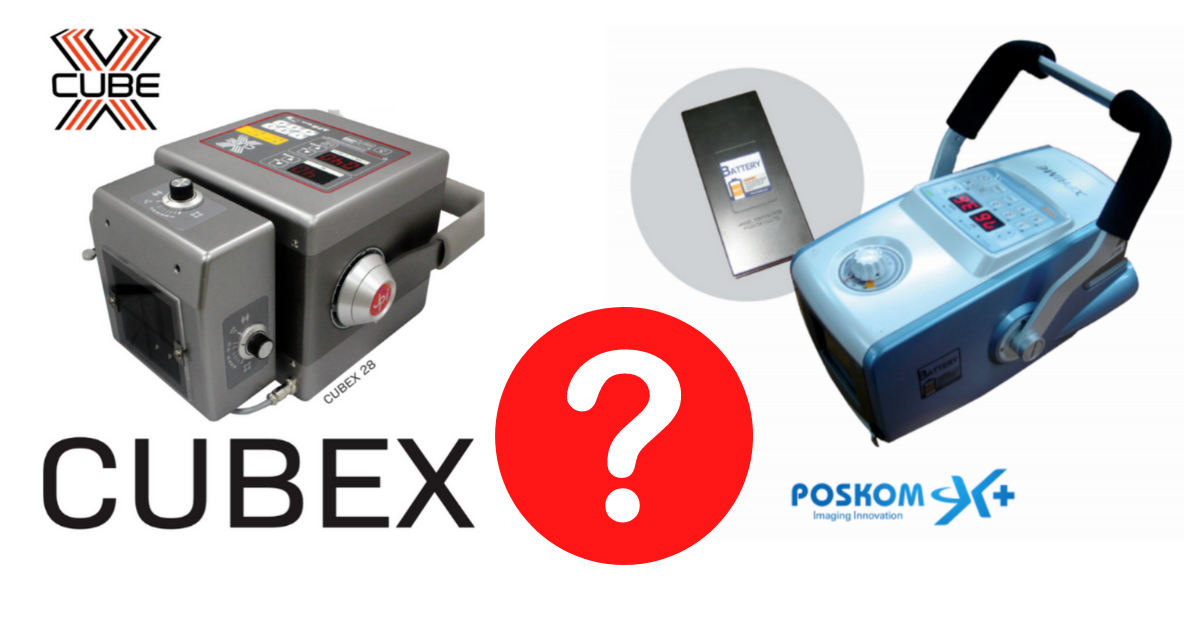
Plug-In Or Battery Powered?
As an equine practitioner, many of your daily practice needs are different from those of your small animal colleagues.
Maybe you meet your patients where they are, in a barn or on a farm call. Or, even if you have a facility that allows for equine visits and hospitalization, you may still need portable equipment to bring with you into a stall.
So, which type of portable generator is best for you: plug-in or battery-powered? Here are some things to consider…
Benefits of Battery Powered Portable Equine Generators
One obvious advantage is that a battery-powered generator may be easier to use out in the field, for the simple fact that you’re “wireless” and thus not dependent on a power outlet. This may be especially helpful in situations where power outlets are not immediately accessible, during power outages in inclement weather, or in some barns or other locations where the power supply may be less consistent.
The lack of a cord also allows for simpler mobility during use. There’s no need to untangle a cord and no possibility of tripping over the wire at any point during the procedure.
Benefits of Plug-In Portable Equine Generators
The most common reason for equine practitioners to choose a plug-in generator is probably this: They don’t want the battery to run out!
Nowadays, there are battery-powered generators available that have long battery life. However, depending on how many hours you’re out, a battery may or may not meet your needs. Or, a team member may forget to charge it between shifts. Also, some practitioners note that battery life may decrease over time—and that the batteries of an x-ray generator can be very expensive to replace.
Additional considerations mentioned by some veterinarians are that plug-in generators may weigh less than battery-powered units. Also, plug-in units may cost less on average. There are variations in weight and equipment cost from model to model, though.
Other Considerations
Different brands and models may offer different price points, battery/equipment expected lifespan and other important differences. Doing research before a purchase is crucial.
This includes talking to the company, as well as speaking to colleagues for recommendations (ask companies for referrals to other practitioners in your area who use the equipment or ask around in online forums or in-person events).
In addition to the equipment itself, you’ll also want to consider things like warranty, ongoing costs (repair and service costs, and image storage costs for digital), integration with any of your current equipment (for example, if you already have a plate), ease of use, durability in rugged conditions or temperature extremes, and whether 24/7 live technical support is available.
With all this in mind, different veterinarians may have different preferences—there’s no one size fits all in terms of plug-in versus battery-powered portable equine generators, or in terms of a particular brand and model that are best for everyone.

So be sure to do your research and gather feedback from colleagues, but also think about what will work best for your own preferences and individual practice needs.
Written by: Dr. Tammy Powell, DVM