

Common MRI Cases in General Practice (Not Just Specialty Hospitals)
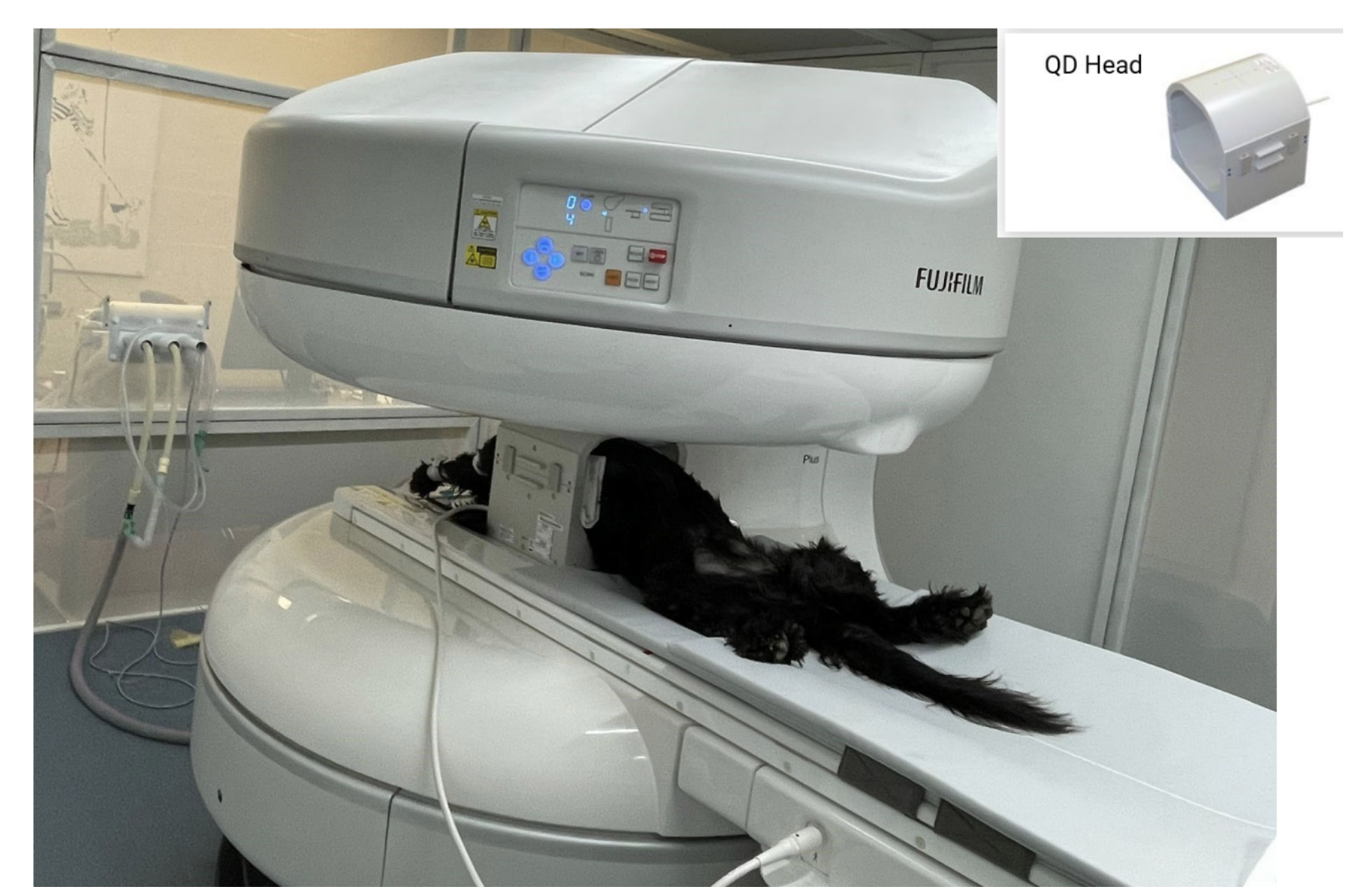
When many people think about MRI in veterinary medicine, they picture massive specialty centers handling only the most advanced neurological cases.
But the reality is… a lot of the patients who benefit from MRI are already walking through the doors of general practices every single day. They’re the cases that leave you thinking:
“Something still isn’t adding up.”
“I feel like we’re missing a piece of the puzzle.”
“We’ve tried conservative management, but we still don’t have answers.”
And honestly, that’s where MRI becomes so valuable.
Not because every patient needs advanced imaging, but because some cases simply can’t be fully understood without it.
The interesting part? These aren’t always rare or highly specialized cases. Many of the patients you’re already seeing regularly, you just don’t always have the diagnostic clarity to confidently move forward.
The Suspected IVDD Case
This is probably one of the most recognizable MRI cases in veterinary medicine.
The painful dachshund.
The suddenly non-ambulatory Frenchie.
The patient went from “a little stiff” to neurologic symptoms seemingly overnight.
In many cases, you can strongly suspect IVDD based on exam findings and history alone. But MRI helps answer the deeper questions:
Which disc is affected?
How severe is the compression?
Is surgery indicated?
Are there multiple sites involved?
That level of detail matters—not only for surgical planning, but for setting realistic expectations with clients.
And sometimes, MRI reveals something entirely different than what was initially suspected.
That’s the part that turns educated guesses into confident treatment plans.
The Seizure Workup That Needs More Than Monitoring
Seizure cases can be incredibly frustrating for both veterinarians and pet owners.
Sometimes, everything points toward idiopathic epilepsy. Other times… something feels off.
Maybe:
The patient is older at onset
Neurologic deficits are present between episodes
Medications aren’t helping the way you expected
Episodes are becoming more frequent or severe
MRI becomes especially valuable in these situations because it helps determine whether there’s an underlying structural cause:
Brain tumors
Inflammatory disease
Congenital abnormalities
Previous trauma or infarcts
And for clients, having clearer answers often improves their ability to commit emotionally and financially to treatment plans. Even when findings are difficult, clarity helps families make more informed decisions moving forward.
Chronic Lameness Cases That Keep Circling Back
Every practice has them…the patient that’s had:
Multiple radiographs
Rest periods
Medication trials
Rehab recommendations
…but still isn’t improving the way everyone hoped.
Sometimes the issue isn’t orthopedic at all. MRI can uncover:
Soft tissue injuries
Neurologic involvement
Subtle joint abnormalities
Muscle or tendon pathology that radiographs simply can’t show well
And these are often among the most diagnostically rewarding cases because the answer has been hiding in plain sight all along.
It’s not that the case was being managed incorrectly—it’s that the full picture wasn’t visible yet.
The “Painful but Normal Diagnostics” Patient
These cases can be some of the most mentally exhausting.
The patient is clearly uncomfortable. The owner knows something is wrong. Your team knows something is wrong, but bloodwork looks normal, radiographs are inconclusive, and conservative management only partially helps.
These are the moments where MRI can completely shift the direction of a case. Whether it’s:
Spinal cord compression
Nerve root involvement
Inflammatory disease
Hidden soft tissue pathology
…advanced imaging often provides the missing explanation everyone has been searching for. And perhaps just as importantly, it gives clients reassurance that their concerns were valid all along.
MRI Isn’t About Replacing Clinical Skills
This is important: MRI doesn’t replace a strong physical exam, thoughtful diagnostics, or clinical intuition.
If anything, it enhances them.
Because most MRI cases don’t begin with imaging. They begin with experienced veterinary teams recognizing:
“This patient needs more answers than we can get from our current diagnostics.”
That’s good medicine, not overcomplication.
General Practice Is Already Seeing MRI Cases
This is where the conversation around MRI has really started to shift in recent years. Advanced imaging is no longer reserved exclusively for referral hospitals handling ultra-rare cases.
General practices are already seeing:
Neurologic patients
Chronic pain cases
Complicated lameness workups
Patients that plateau despite treatment
The difference is that now, more practices are exploring ways to keep those diagnostic journeys closer to home. And for many hospitals, that changes:
Continuity of care
Client trust
Diagnostic confidence
Long-term case management
Sometimes the Biggest Value Is Simply Having Answers
At the end of the day, MRI isn’t just about finding dramatic diagnoses.
Sometimes, its greatest value is ruling things out or confirming a suspicion.
Sometimes it’s helping a client finally understand why their pet hasn’t improved.
And sometimes, it simply allows everyone, the veterinarian, the team, and the owner, to stop operating in uncertainty.
Because you’re already seeing these cases. You just don’t always have all the answers yet.