
The Warming Gap No One Talks About in Veterinary Surgery
Most veterinary teams don’t struggle with whether to keep patients warm—we all know it matters. The real challenge is consistency.
You can have all the right intentions, trained staff, and monitoring in place… and still end up with a patient whose temperature dips halfway through a procedure. Not because your team isn’t doing a good job, but because your warming setup isn’t working with you.
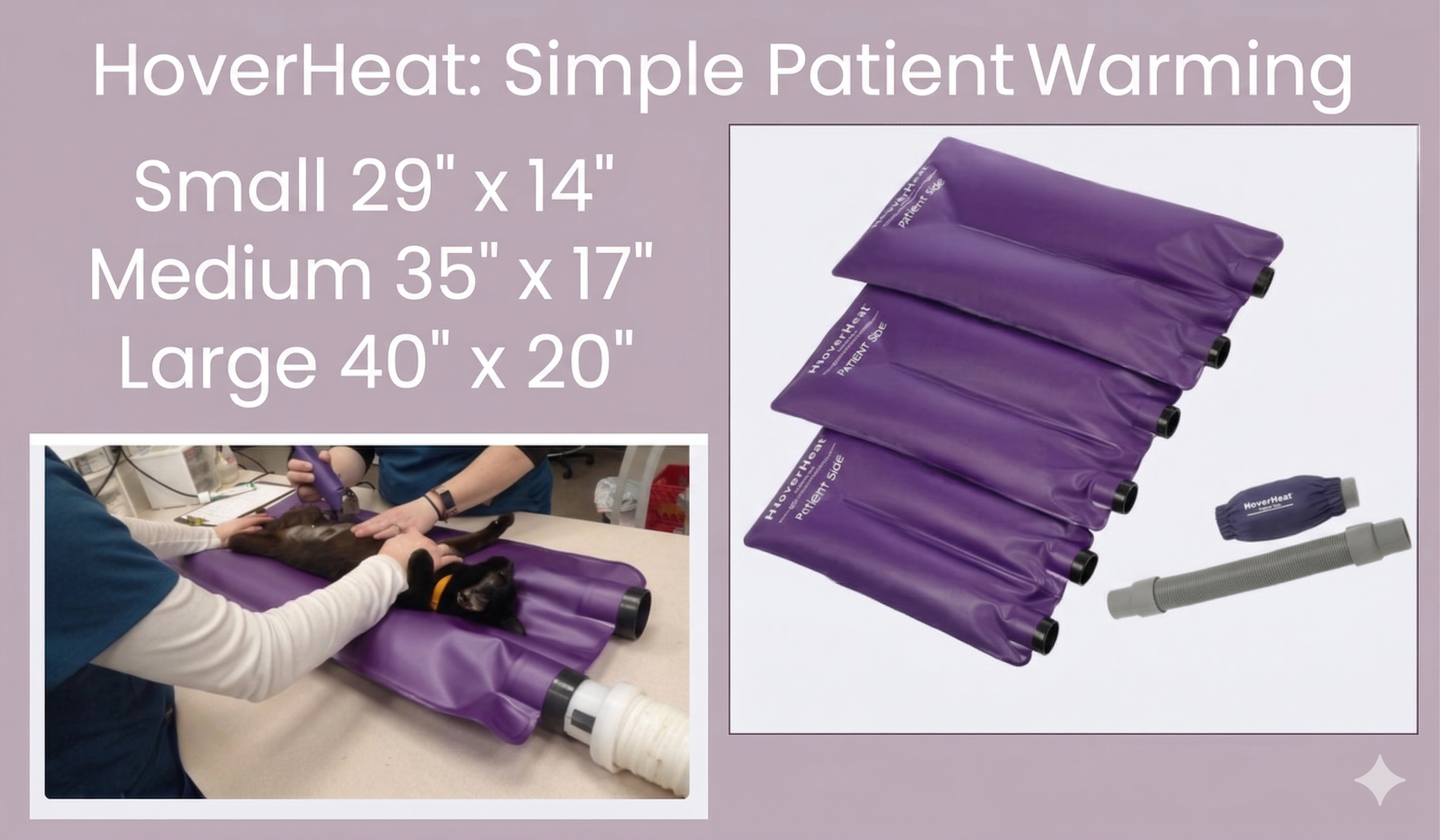
That’s the gap many veterinary hospitals are starting to notice, and it’s where theHoverHeatwarming blanket fits in.
The Reality of a Busy Surgery Day
Let’s zoom out for a second and look at a typical day in practice.
Back-to-back dentals. A couple of surgeries are running longer than expected. Different team members are rotating through anesthesia monitoring. Patients of all sizes, from a 5 lb cat to an 80 lb dog
In that environment, warming methods need to be simple, reliable, and low-maintenance.
Because if a system is cumbersome or inconsistent, it doesn’t reach its full potential. That’s where many traditional warming methods fall short. They often require constant adjusting, layering, or troubleshooting to stay effective.
Why Some Warming Setups Fall Apart Mid-Procedure
Even with multiple warming tools in place, temperature drops still happen. A few common reasons:
Heat isn’t reaching the areas that need it most
Warming is uneven or inconsistent
Setups shift during patient repositioning
Staff are too busy to continuously adjust equipment
In other words, it’s not just about having warmth; it’s about having dependable warmth that holds up throughout the entire case.
A More Practical Approach with HoverHeat
The HoverHeatwarming blanket was designed with real veterinary workflow in mind.
Instead of requiring constant attention, it provides a steady, even source of warmth that supports the patient without needing frequent adjustments.
Its underbody warming design helps address one of the most common breakdown points in temperature management—losing heat through prolonged contact with the surgical table.
For teams, that translates to:
Less time troubleshooting warming setups
Fewer last-minute “we need another blanket” moments
More consistent temperature trends on the monitor
And those small wins add up over the course of a full surgery day.
Especially Useful for Dental Days
If you’ve ever had a full dental schedule, you know how tricky temperature management can be. Dentals tend to involve:
Longer anesthetic periods than expected
Water exposure that contributes to heat loss
Frequent repositioning
Smaller patients who cool quickly
It’s the kind of setting where warming can easily become reactive instead of proactive.
Using a system like HoverHeat allows teams to build warming into the setup from the start, rather than chasing temperature drops later in the procedure.
Supporting Your Team (Not Just the Patient)
One overlooked benefit of a reliable veterinary patient warming system is how much it helps the team. When warming is predictable:
Anesthesia monitoring feels more controlled
Technicians can focus on trends instead of constant adjustments
There’s less mental load during already busy procedures
For former veterinary technicians, especially, this is a big deal. You know how many moving parts there are in anesthesia, and any tool that reduces friction is worth paying attention to.
Small Changes, Noticeable Differences
What makes the HoverHeatComplete Set appealing for many veterinary practices isn’t that it completely overhauls your workflow; it’s that it fits into it.
You’re not reinventing your surgery setup. You’re simply improving one piece of it in a way that’s:
Easy to implement
Simple to maintain
Consistent across different types of procedures
And over time, those small improvements show up in ways that matter, like with smoother recoveries, more stable anesthetic events, and less scrambling mid-procedure.
Where It Fits Into Your Current Setup
HoverHeatis designed to strengthen your approach to patient warming. It works alongside your existing protocols and equipment, helping create a more complete warming strategy for:
Surgery
Dentals
Recovery
Even longer or more complex cases
In real-world veterinary medicine, the goal isn’t perfection; it’s reliability.
You already understand the importance of keeping patients warm. But understanding it and achieving it consistently are two different things.
The HoverHeatwarming blanket helps close that gap by offering a practical, dependable solution that works with your team.
And when your warming system becomes one less thing to worry about, your entire surgical workflow benefits.

Preventing Hypothermia in Veterinary Patients: A Smarter Approach to Surgical Warming
Every veterinary team has experienced this:
You glance at the patient monitor halfway through a procedure and notice the body temperature slowly drifting downward. You add another towel, turn up the warm water blanket, maybe grab a heated air blanket—and still, keeping the patient warm can feel like an uphill battle.
Hypothermia during anesthesia is one of the most common challenges in veterinary surgery and dentistry. But with the right veterinary patient warming system, maintaining an ideal body temperature becomes far more manageable.
That’s exactly where the HoverHeat warming blanket is making a difference for veterinary hospitals.
Why Patient Warming Should Be a Priority in Veterinary Medicine
When your patient is under anesthesia, their body loses the ability to regulate temperature effectively. Combined with hair clipping, surgical prep, and exposure to a cool operating room, body heat begins to drop quickly.
That temperature drop matters more than many people realize. Anesthetic hypothermia can lead to:
Slower anesthetic recovery
Increased anesthetic complications
Delayed drug metabolism
Longer patient recovery times
In smaller patients, such as cats, puppies, or toy breeds, the temperature drop can occur even more quickly. That’s why many veterinary hospitals are investing in active warming systems designed specifically for veterinary surgical patients.
How the HoverHeat Warming Blanket Works
The HoverHeat veterinary warming blanket takes a different approach to temperature management than many traditional warming methods.
Instead of simply placing heat on the patient, the system uses a cushion of circulating warm air beneath the patient. This allows warm air to move evenly under the body, warming one of the largest heat-loss areas during surgery.
The result is more consistent heat distribution and improved patient warming throughout the procedure. For veterinary hospitals performing procedures like:
Routine spays and neuters
Dental procedures
Orthopedic surgeries
Soft tissue surgeries
…this type of active warming can make a noticeable difference in maintaining stable body temperatures.
Multiple Ways to Warm Patients
One advantage of the HoverHeat warming system for veterinary practices is its versatility.
The system can be used for:
Surgical Procedures: helping to maintain patient temperature throughout anesthesia, especially during longer procedures.
Veterinary Dental Procedures: dentals often involve extended anesthesia times and significant heat loss due to water exposure and patient positioning. Active warming helps keep temperatures stable during these cases.
Recovery: Patients recovering from anesthesia are often still prone to hypothermia. Maintaining warmth during recovery helps support smoother, more comfortable wake-ups.
Designed for Busy Veterinary Hospitals
Veterinary teams need equipment that works with their existing workflow, not something that adds extra complexity to surgery days. The HoverHeat is designed with practicality in mind.
Key features include:
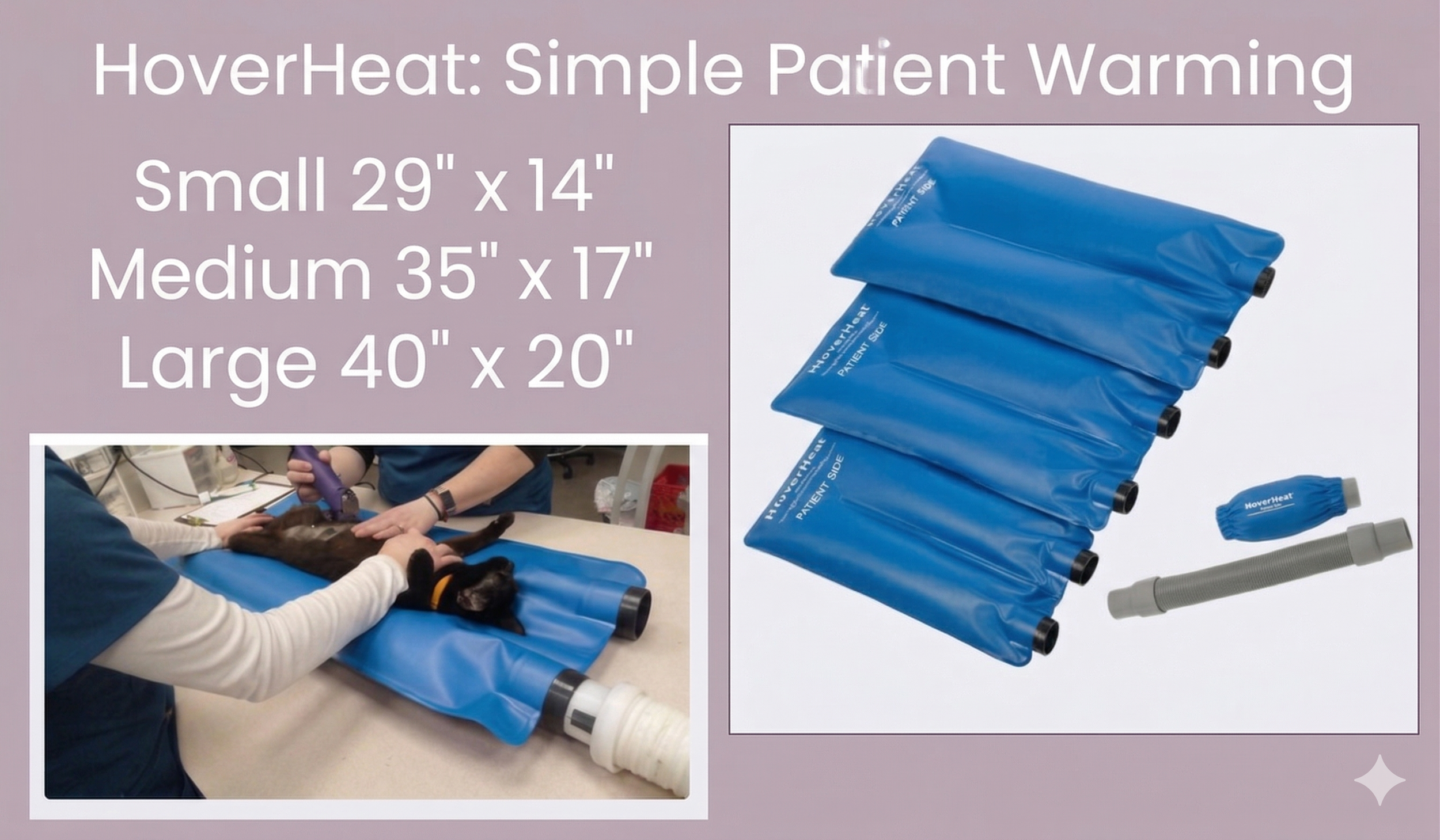
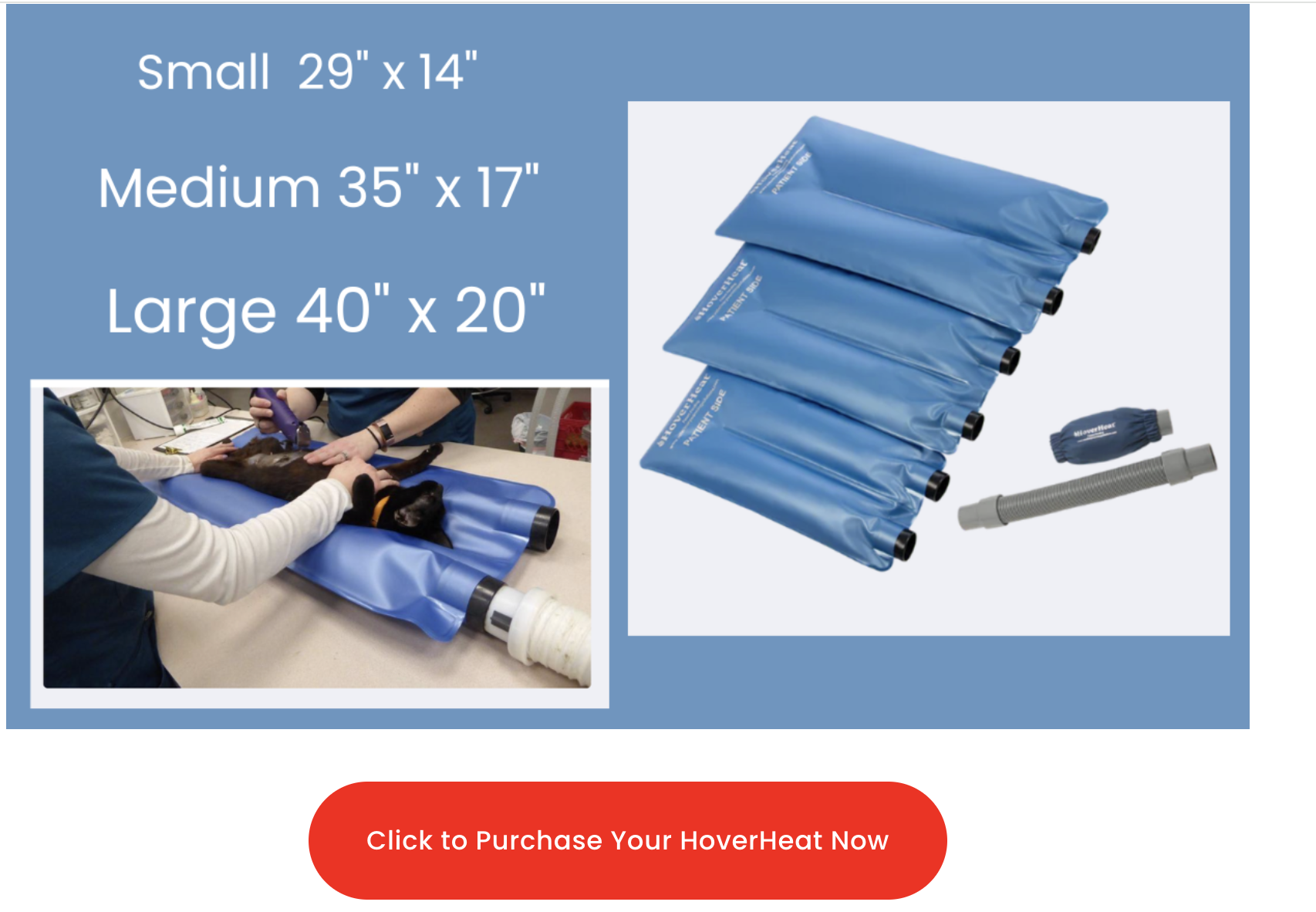
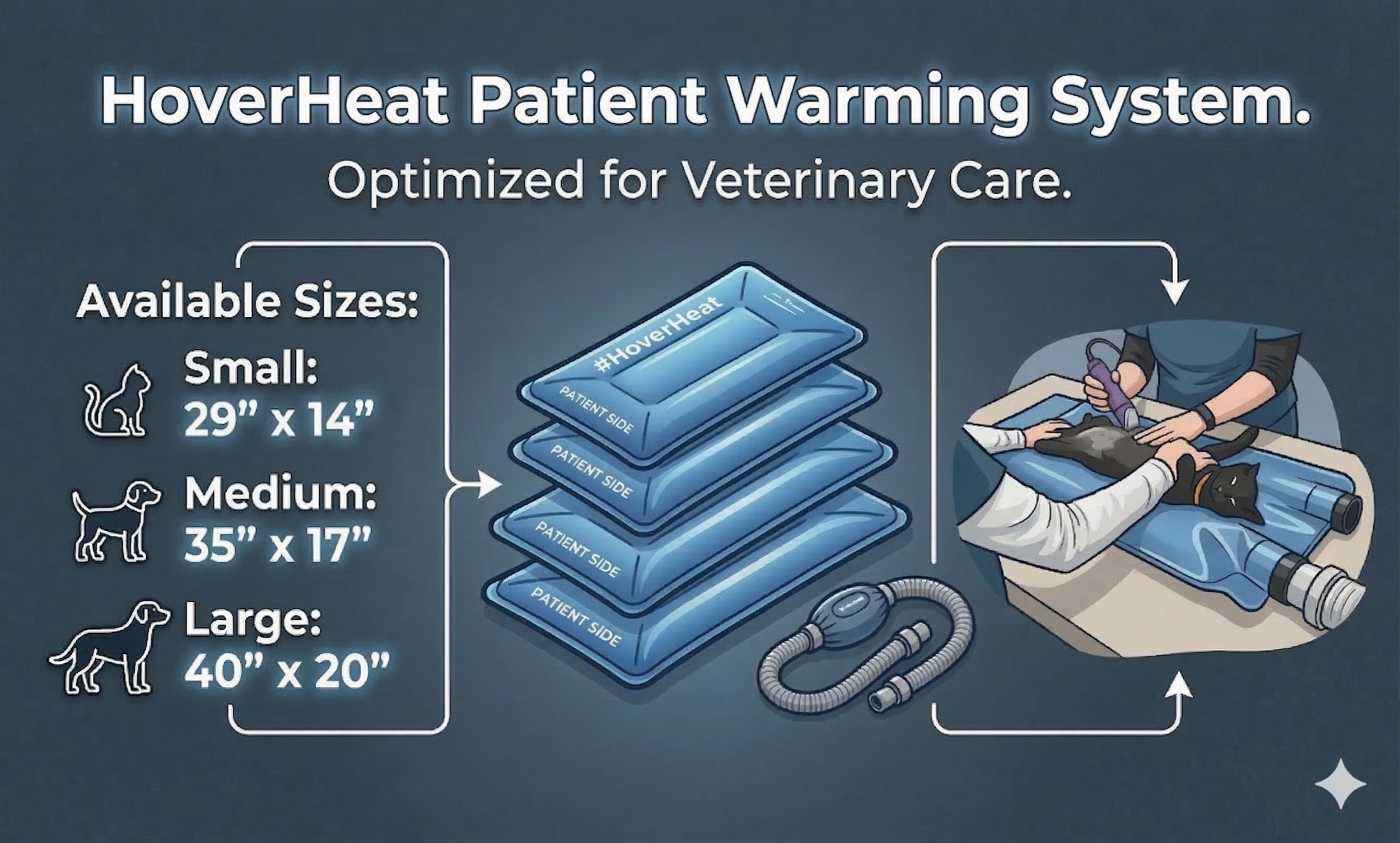
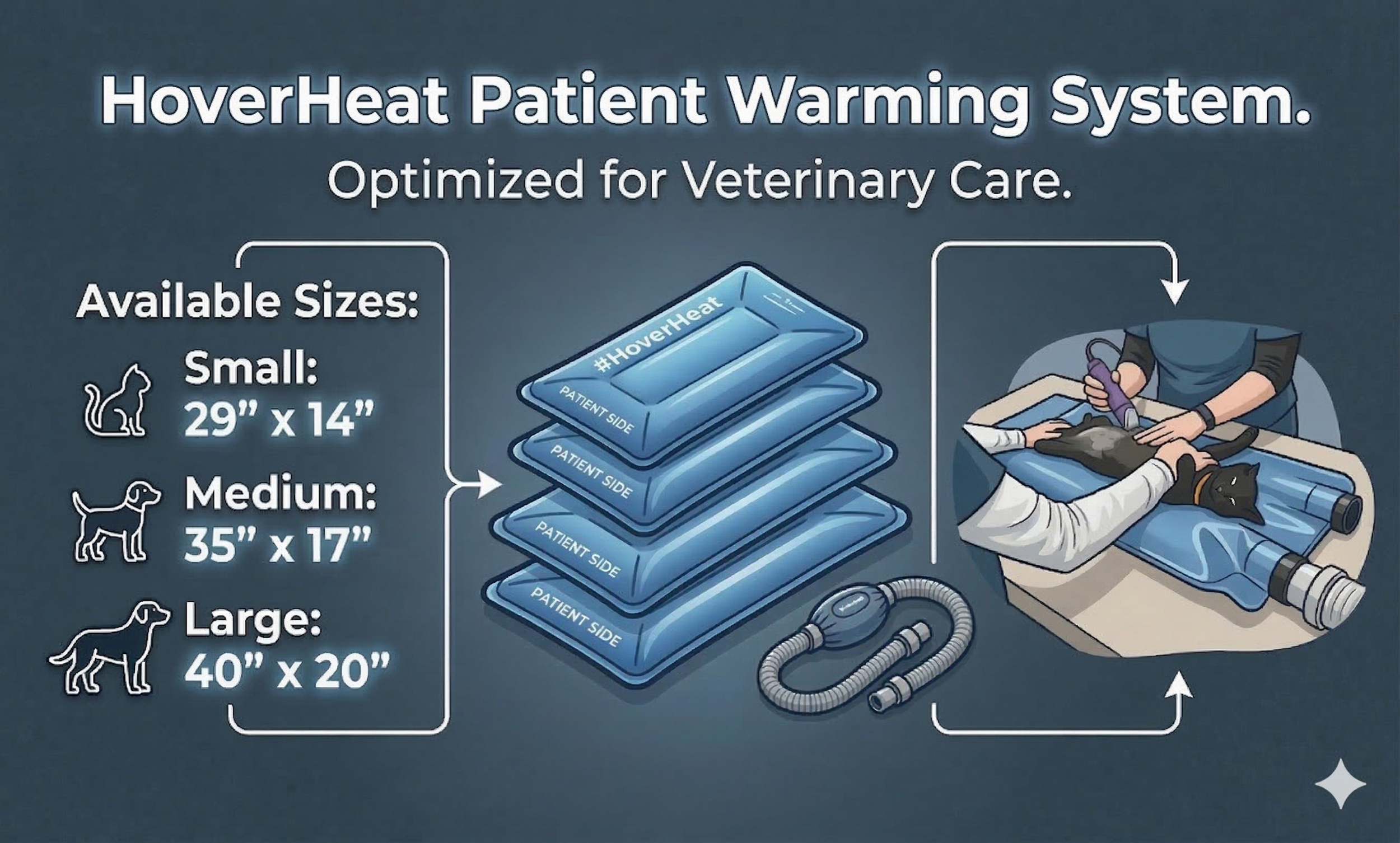
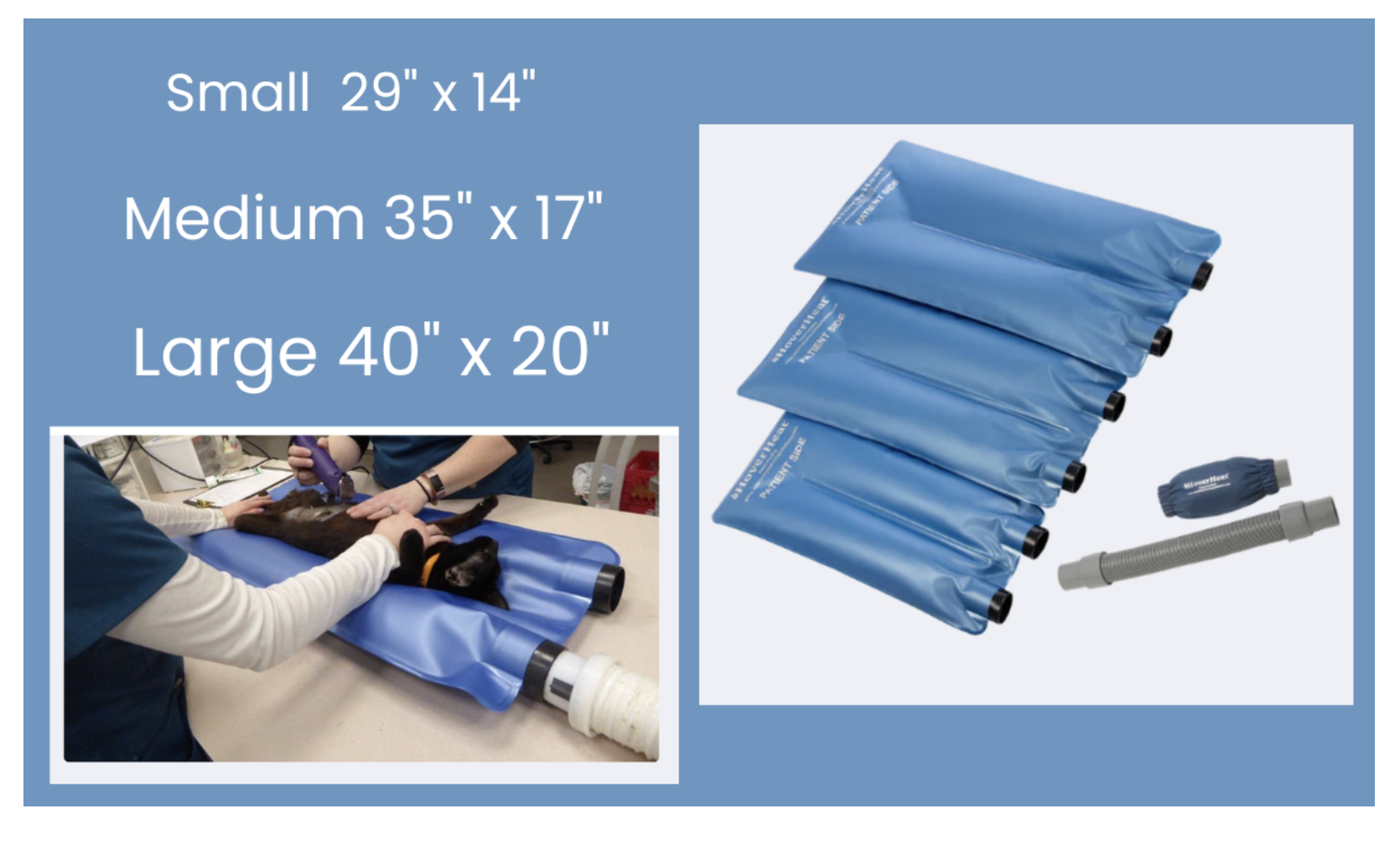
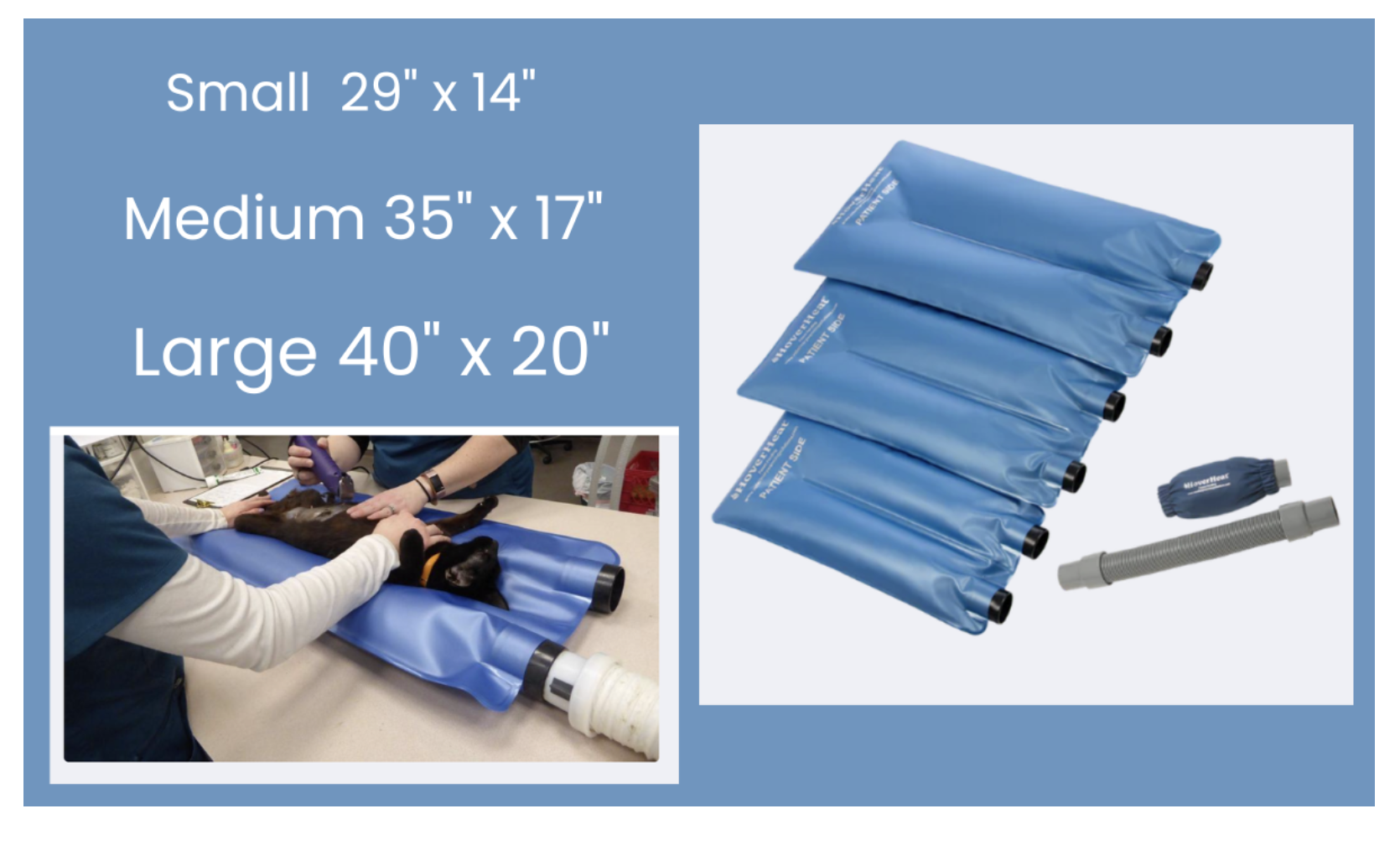
Multiple pad sizes to accommodate different patient sizes
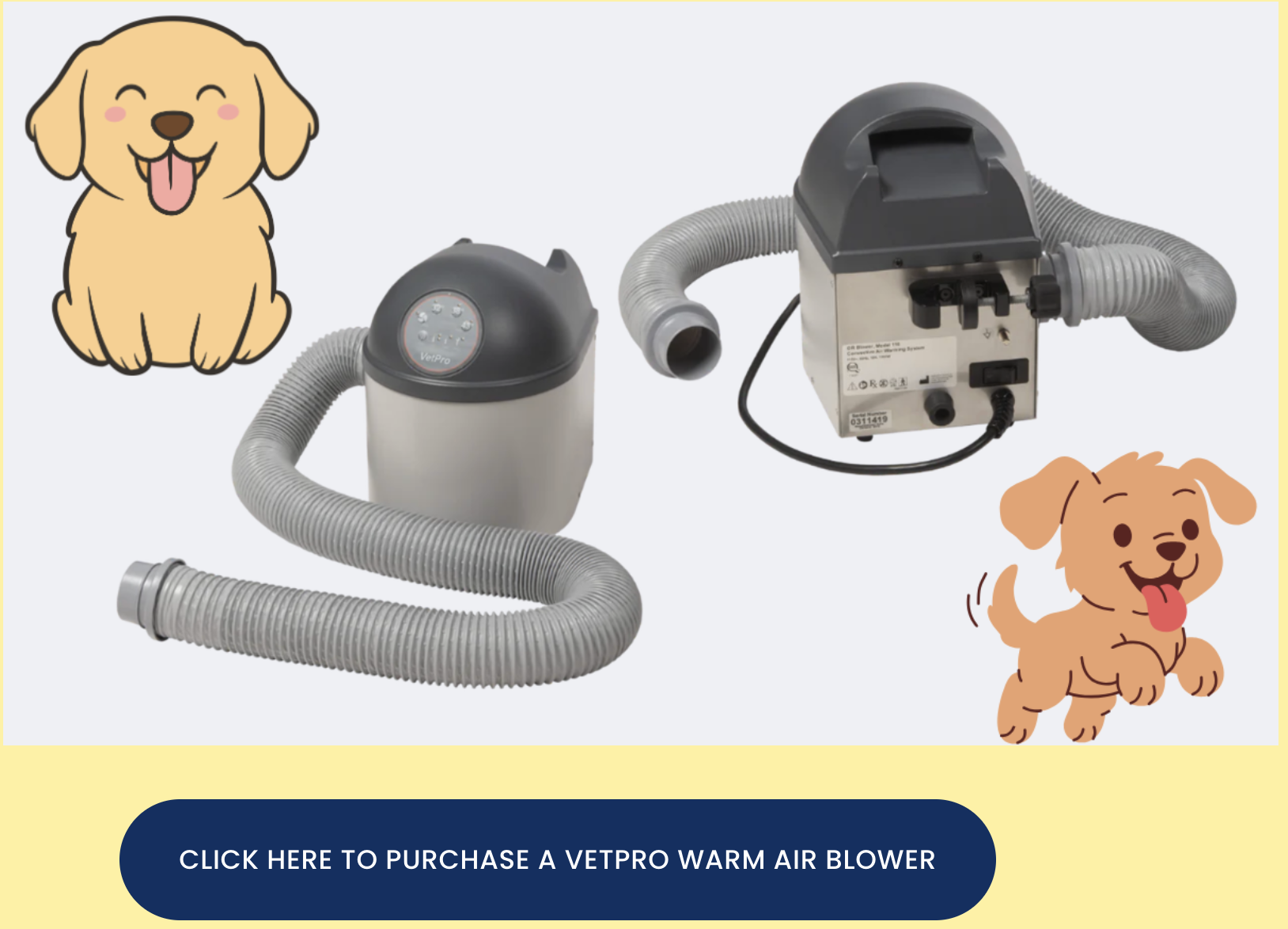
Compatibility with common warm air blowers already used in veterinary practices
Reusable design that reduces disposable blanket costs
Easy cleaning with standard hospital disinfectants
The ability to connect two units for additional warming coverage
For practices focused on improving veterinary surgical efficiency and patient safety, these small workflow improvements can make a big difference over time.
Supporting Better Surgical Outcomes
Veterinary medicine has advanced significantly in patient care standards, particularly in anesthesia monitoring and safety. Today, most hospitals routinely monitor:
ECG
Blood pressure
Oxygen saturation
End-tidal CO₂
Temperature
But monitoring temperature is only half the battle. Preventing hypothermia requires reliable warming tools that work throughout the entire procedure.
Using an active veterinary surgical warming system helps maintain stable patient temperatures from induction through recovery.
And when patients stay warm, everything tends to go more smoothly, from anesthesia recovery to overall patient comfort.
A Simple Upgrade That Makes a Big Difference
You’re always looking for ways to improve patient care while keeping procedures efficient and safe. Sometimes the biggest improvements come from solving everyday problems, like keeping anesthetized patients warm.
The HoverHeat warming blanket is a simple, reliable way to address one of the most common anesthesia challenges in veterinary medicine.
Because when patients stay warm, they recover better, and that’s something every veterinary team hopes for.
Keeping Veterinary Patients Warm with HoverHeat
With your experience in a veterinary surgery suite, you already know one thing for certain: anesthetized patients get cold, fast.
Whether you’re performing a routine spay, a dental cleaning, or an orthopedic procedure, maintaining normothermia isn’t just about comfort—it’s a critical part of patient safety and recovery. And yet, many veterinary hospitals still struggle to keep patients warm consistently throughout anesthesia and recovery.
That’s where patient-warming solutions like the HoverHeat are making a noticeable difference in veterinary practices.
Let’s take a closer look at why temperature management matters so much, and how systems like HoverHeat help veterinary teams stay ahead of the problem.
Why Veterinary Patients Get Cold During Procedures
Hypothermia during anesthesia is incredibly common in veterinary medicine. Even in short procedures like dentals, a patient’s body temperature can drop quickly.
There are several reasons for this:
Anesthesia suppresses thermoregulation. The body loses its ability to maintain temperature.
Hair clipping and surgical prep increase heat loss.
Exposure to cool surgical suites.
Contact with cold surgical tables.
Small body size, especially in cats and small dogs.
Most heat loss during surgery occurs at the point where the body contacts the table. That large surface area becomes a major pathway for conductive heat loss. When hypothermia sets in, it can lead to:
Slower anesthetic recovery
Increased anesthetic risk
Delayed drug metabolism
Longer hospitalization or recovery times
The Challenge With Traditional Warming Methods
Veterinary teams have historically relied on a mix of warming methods:
Circulating warm water blankets
Heated pads
Warmed IV fluids
Blankets and towels
Forced-air warming blankets
While these methods can help, many have limitations. Water blankets can leak. Heating pads can create hot spots. Disposable forced-air blankets can allow warm air to escape and require constant restocking. And most systems only warm one side of the patient.
That’s where the HoverHeat system takes a different approach.
How HoverHeat Works
The HoverHeat is a veterinary patient warming system designed to maximize heat transfer while minimizing the limitations of traditional warming tools.
Its design uses specialized internal components to create a cushion of warm air underneath the patient, effectively “levitating” the patient slightly while warm air flows beneath the body.
Why does this matter?
Instead of just heating the patient's top or small contact points, HoverHeat distributes warmth across a much larger area, helping maintain a more stable body temperature throughout the procedure.
Underbody and Overbody Warming
One of the most practical features for busy surgical suites is the ability to connect two HoverHeat units together.
With a simple connector, you can create simultaneous underbody and overbody warming with a single warm-air blower, increasing warming capacity by 50–75%. This means veterinary teams can:
Warm patients from below and above
Maintain temperature during longer procedures
Support smaller or high-risk patients more effectively
Importantly, the system is also designed so that airflow is directed away from the sterile surgical field, which helps maintain proper surgical protocol.
Warming Throughout the Entire Patient Journey
Another advantage is that it isn’t limited to the surgical table. It can be used during:
Pre-Operative Warming
Patients can be induced directly on the warming surface, allowing temperature management to begin immediately. Pre-operative warming has been shown to help maintain body temperature during surgery.
Intra-Operative Care
It works with most positioning devices and can be used during nearly any procedure, including surgery, dentistry, and endoscopy.
Post-Operative Recovery
Maintaining warmth during recovery can help decrease recovery times and improve patient comfort.
Imaging
Because of its design, the system can even be used during imaging procedures like X-ray and CT scans.
A Practical System for Veterinary Hospitals
For practice owners and managers, equipment decisions are always about balancing patient care, efficiency, and cost. HoverHeat addresses several practical concerns:
Compatible with existing warm air blowers: no need to purchase a new unit.
Reusable system: eliminates ongoing disposable blanket costs.
Easy to clean with standard germicidal sprays or soap and water.
Multiple sizes to accommodate patients from cats to large dogs.
The complete set includes small, medium, and large HoverHeat units plus connectors and adapters, allowing teams to warm nearly any patient that comes through the door.
Better Temperature Control, Better Patient Care
Every veterinary team member knows the feeling of watching a patient’s temperature drift downward during anesthesia. Preventing hypothermia can sometimes feel like a constant battle.
But with the right tools in place, maintaining normothermia becomes much easier and far more consistent. Because at the end of the day, a warm patient is a safer patient.