
Animal Shelter Funding Guide: Supporting Better Veterinary Care
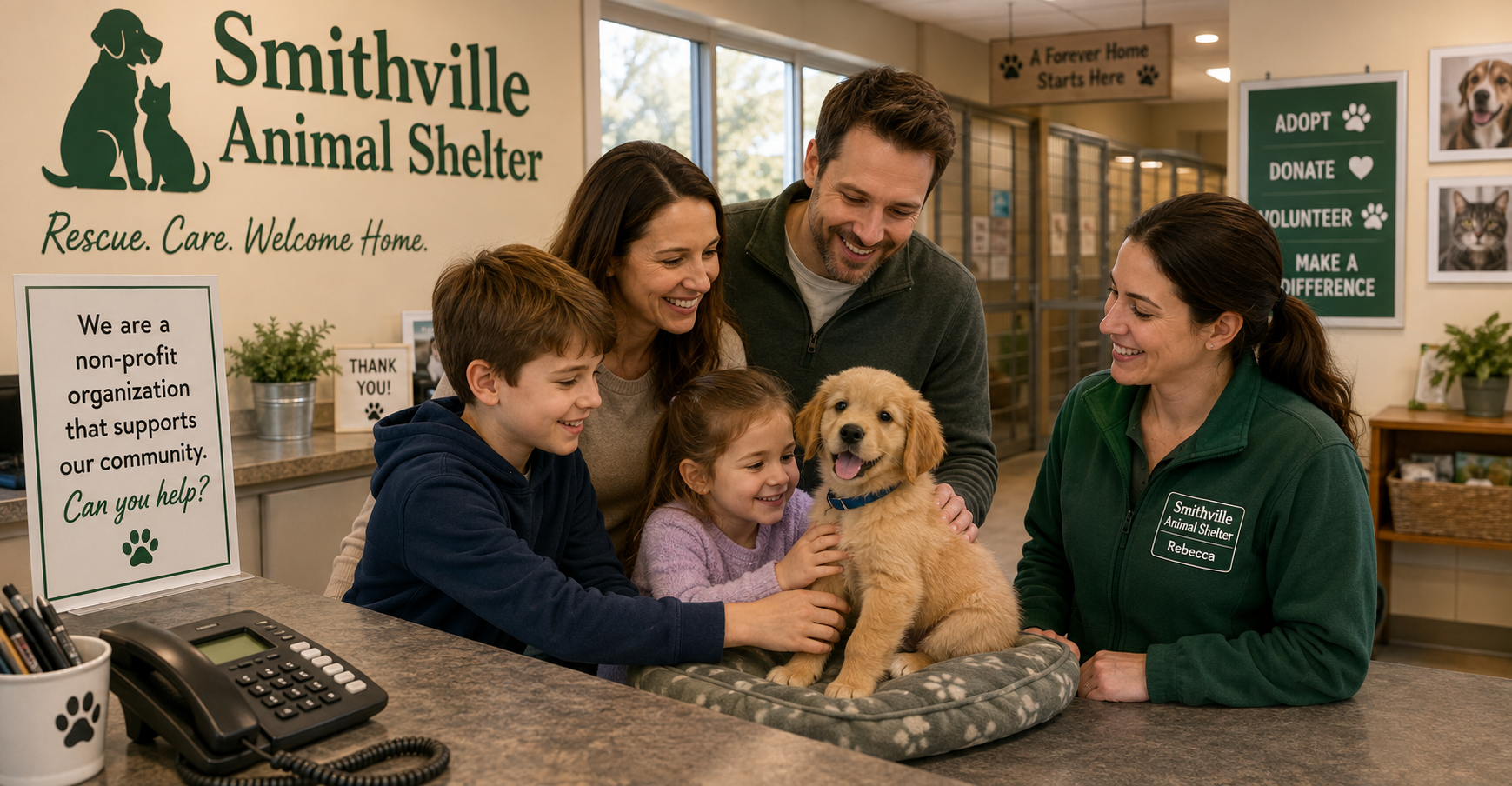
Animal shelters do far more than provide a temporary home for animals in need. They also provide essential veterinary care and rely on dependable equipment to help animals recover and become ready for adoption.
Common veterinary services provided by animal shelters include:
- ✓ Vaccinations
- ✓ Diagnostics
- ✓ Surgery
- ✓ Dental care
- ✓ Emergency treatment
For many shelters, providing that level of care can be difficult when budgets are tight and veterinary equipment is aging.
The good news is that shelters don't necessarily have to rely solely on their operating budgets to fund improvements.
Grants, private donations, corporate partnerships, and targeted fundraising campaigns can all help shelters invest in the veterinary equipment and facilities they need to provide better care.
The challenge is knowing where to look for funding and how to make a compelling case for the investment.
Understanding Where Shelter Funding Comes From
The animal sheltering landscape is large and diverse. According to Shelter Animals Count's 2025 national data, there are approximately 4,100 animal shelters in the United States, including:
- ● Government animal services
- ● Government-operated shelters
- ● Private shelters with government contracts
- ● Private shelters without government contracts
That distinction is important. Not every shelter operates with the same funding structure, and government involvement does not necessarily mean a shelter has sufficient funding for veterinary equipment or facility improvements.
Many shelters rely on a combination of funding sources, including:
- ✓ Municipal funding
- ✓ Adoption fees
- ✓ Private donations
- ✓ Grants and fundraising events
- ✓ Corporate support and foundation funding
For shelters looking to upgrade their veterinary capabilities, understanding these different funding sources is an important first step.
Look Beyond General Operating Grants
One mistake shelters can make is searching only for general animal welfare grants. Organizations may offer funding specifically designated for:
- ● Capital improvements
- ● Veterinary medicine and animal welfare
- ● Community programs
- ● Disease prevention
- ● Equipment purchases
A shelter looking for funding for a new dental unit, anesthesia machine, imaging system, or laboratory equipment may have more success by searching for grants that align with the purpose and impact of the purchase.
Instead of simply saying, "We need a new piece of equipment," a stronger proposal explains what that investment will make possible.
Will it:
- ✓ Allow the shelter to perform more surgeries in-house?
- ✓ Reduce the need to transport animals to outside veterinary hospitals?
- ✓ Improve diagnostic capabilities?
- ✓ Reduce procedure times?
- ✓ Allow the shelter to treat more animals each year?
Those details turn an equipment purchase into an investment with measurable results.
Build the Case for Better Veterinary Care
Successful grant applications generally do more than describe a need. They demonstrate why addressing that need matters.
A shelter seeking funding for veterinary equipment should be prepared to explain:
- ✓ The current situation
- ✓ The limitations of its existing equipment
- ✓ The anticipated benefits of an upgrade
For example, an aging surgical or diagnostic system may still be working, but it may be inefficient. Newer equipment could improve workflow, enhance patient monitoring, or allow veterinary staff to provide services that currently require an outside referral.
Data can make that argument even stronger. Shelters can track:
- ● Number of animals treated annually
- ● Surgeries performed
- ● Dental procedures completed
- ● Animals requiring outside veterinary care
- ● Average outside veterinary costs
- ● Staff time spent transporting animals to outside facilities
These numbers help potential funders understand the tangible impact their investment could have.
Don't Overlook Capital Campaigns and Major Donors
Grants aren't the only way to fund major improvements. For larger projects such as:
- ✓ Constructing a veterinary suite
- ✓ Expanding an existing shelter
- ✓ Creating a new facility
A capital campaign may be appropriate. Capital campaigns allow organizations to raise substantial funds for a defined project rather than relying solely on annual operating donations.
A shelter might offer donors opportunities to sponsor a surgical suite, treatment room, diagnostic system, or another part of the facility.
The key is helping donors understand what their contribution will accomplish.
Saying "Your donation helps us purchase new equipment" is less powerful than explaining that the investment could allow the shelter's veterinary team to perform hundreds of additional procedures each year.
Create a Stronger Grant Application
A competitive grant application should answer several fundamental questions:
- ✓ What is the need? Clearly explain the current problem.
- ✓ Who benefits? Describe the animals, staff, adopters, and community members who will benefit.
- ✓ What is the solution? Identify the equipment, facility improvement, or program being requested.
- ✓ What will change? Provide measurable outcomes whenever possible.
- ✓ Why now? Explain why delaying the investment could limit the shelter's ability to provide care.
Perhaps most importantly, demonstrate that the shelter has a plan to maintain the investment long after the grant is awarded.
Funders want to know their contribution will become part of a sustainable solution rather than simply providing a temporary fix.
Investing in Infrastructure Is Investing in Animals
For shelters, veterinary equipment is infrastructure that directly affects the quality, efficiency, and availability of animal care.
Better equipment can help veterinary teams diagnose conditions sooner, perform procedures more efficiently, monitor patients more effectively, and provide services that might otherwise require outside veterinary care.
For shelters serving hundreds or thousands of animals each year, those improvements can have a significant ripple effect.
The goal is to create the veterinary infrastructure that allows shelters to provide more animals with better care, more efficiently, for years to come.
If your shelter is considering replacing or adding veterinary equipment, it can be helpful to understand your options, pricing, installation requirements, and financing before submitting a grant request or beginning a fundraising campaign.