

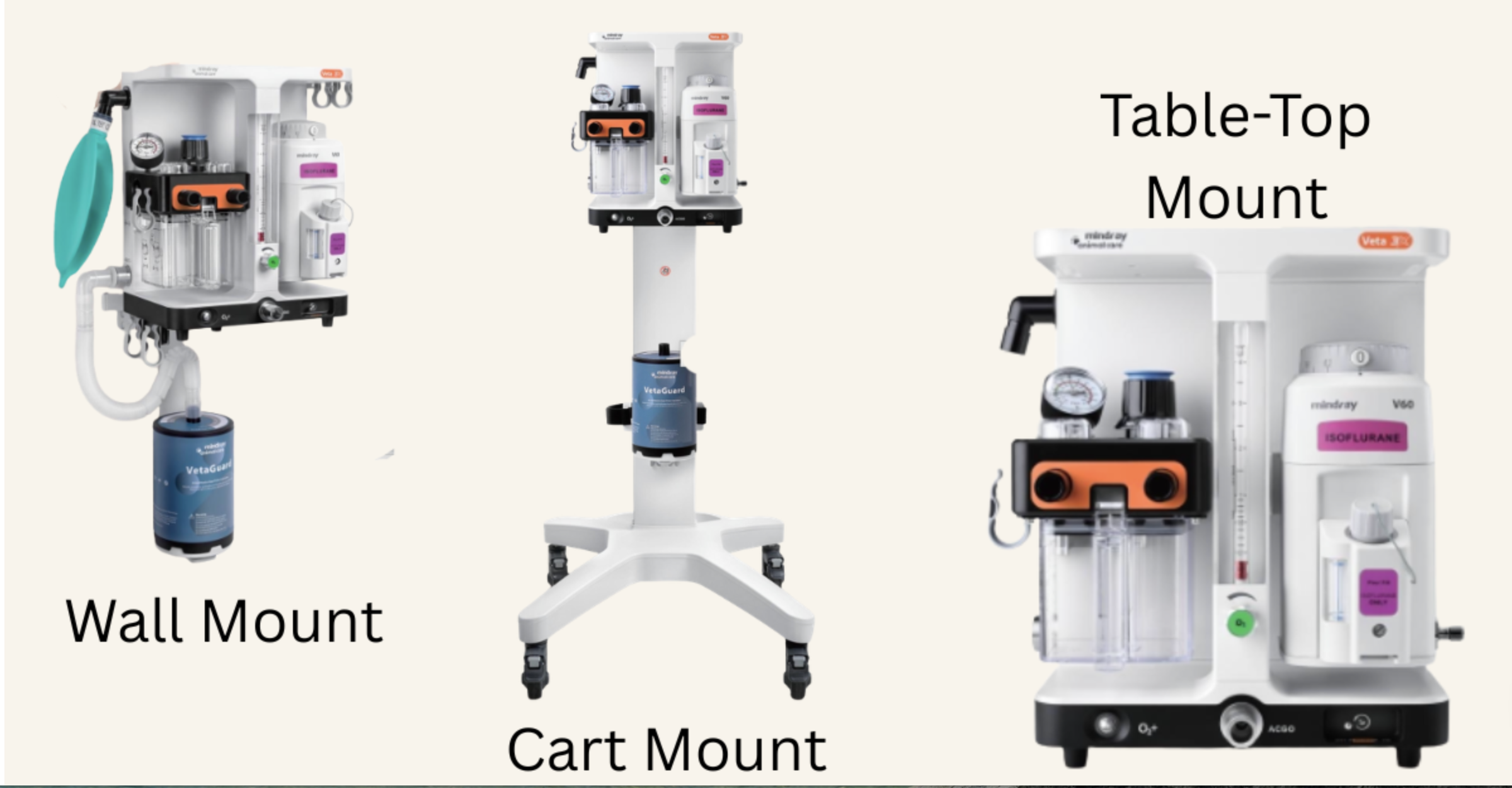
Built for Busy Surgery Days: Making the Most of the Veta 3X in High-Volume Veterinary Practices
In a practice where surgery days stack up quickly, and anesthesia is part of the daily rhythm, your equipment has to do more than just function. It needs to keep up with the pace.
When you’re moving from one procedure to the next, efficiency, consistency, and ease of use start to matter just as much as performance.
That’s where a system like the VETA 3X really supports a high-volume environment, especially when it’s set up and used intentionally.
Keeping Turnover Smooth Between Cases
In busy hospitals, the time between procedures can add up fast. Small inefficiencies like switching circuits, adjusting setups, or troubleshooting equipment can slow your entire day.
The VETA 3X has both rebreathing and non-rebreathing options readily available (including the Bain system setup), allowing for quicker transitions between patients of different sizes. Instead of reworking your setup each time, your team can move efficiently from one case to the next.
Tip: Keep commonly used circuits (like your Bain and standard rebreathing system) prepped and easily accessible. Even shaving a few minutes off each case can significantly improve overall flow.
Supporting Consistency Across Multiple Team Members
In high-volume settings, anesthesia isn’t managed by a single person; it’s often shared among technicians and doctors throughout the day. That makes equipment consistency especially important.
The VETA 3X layout and accessible controls help create a more consistent experience for everyone who uses it. When each team member knows exactly where to look and what to expect, it reduces variability in setup and monitoring.
Consideration: Standardize your anesthesia protocols alongside your equipment. When your machine and your processes align, it creates a smoother, safer experience across the board.
Reducing Setup Fatigue
On long surgery days, even experienced teams can feel the effects of repetition. Equipment that’s overly complex or difficult to handle increases the risk of small errors, especially later in the day.
A streamlined system with clearly organized components helps reduce that mental load. Features like the fixed-mount pour-fill vaporizer and simple hose connections mean fewer steps and less second-guessing during setup.
Tip: Build a quick pre-anesthesia checklist specific to your machine. This helps catch small issues early and keeps your team consistent, even during busy or fatiguing days.
Managing Smaller Patients Efficiently
High-volume practices often see a mix of routine procedures: spays, neuters, dentals, many involving smaller patients. Having a reliable non-rebreathing option readily available is essential.
The included Bain system kit and disposable Bain circuit make it easier to quickly set up for these cases without needing additional equipment or adjustments.
Consideration: Keep a dedicated small-patient anesthesia station or a similar setup if your caseload leans heavily in that direction. It minimizes switching and keeps your workflow tighter.
Planning for Maintenance Without Disruption
In a busy practice like yours, downtime isn’t just inconvenient; it can throw off your entire schedule. Reliable equipment helps, but proactive maintenance matters just as much.
The VETA 3X's simple design and accessible components make routine checks and maintenance more manageable, which is key when you’re relying on it daily.
Tip: Schedule brief, regular equipment checks (daily quick checks, weekly deeper reviews) rather than waiting for issues to arise. It’s far easier to prevent disruptions than to work around them mid-day. (see tips below)
The Bigger Picture
Your day already demands a lot: balancing a packed surgical schedule, managing your team, handling administrative responsibilities, and navigating the emotional weight of patient care.
The last thing you need is equipment that adds friction or uncertainty.
Your anesthesia machine should be one of the most dependable parts of your workflow, something your team can trust without hesitation. When that piece is solid, it’s one less thing pulling your attention, and one more way to support a smoother, more manageable day.
Daily Quick Checks (The "Pre-Flight" Routine)
Perform these every morning before the first patient is prepped.
Perform a High-Pressure Leak Test: Close the pop-off valve, occlude the Y-piece (with your thumb or a stopper), and use the $O_2$ flush to pressurize the system to 30 cmH2O. Ensure the pressure holds for at least 10–15 seconds.
Check Vaporizer Levels: Ensure the vaporizer is filled to the appropriate line. Verify the fill cap is tightened securely to prevent anesthetic gas leaks.
Inspect CO2 Absorbent: Check the color of the soda lime or Baralyme. If 1/3 to 1/2 of the canister has changed color (usually to purple), replace it immediately. Remember: color can "revert" overnight, so trust your usage logs if the granules look white but are exhausted.
Oxygen Supply Verification: Check your tank pressure or central line. Ensure you have more than enough volume to get through the day's scheduled procedures.
Verify Scavenging Connection: Ensure the scavenging interface (active or passive) is properly connected, and the charcoal canister (if used) is not expired by weight.
The "Open Pop-Off" Rule: Immediately after your leak test, re-open the pop-off valve. A closed pop-off valve is a leading cause of barotrauma.
Weekly Deeper Reviews
Schedule these for a specific day (e.g., Friday afternoon) to prep for the coming week.
1. Seal and O-Ring Inspection
Check the O-rings on the vaporizer mounting and the CO2 canister. Dry or cracked O-rings are the primary source of "phantom leaks" that are hard to find during daily checks.
Apply a tiny amount of medical-grade lubricant if seals appear dry.
2. Breathing Circuit & Bag Integrity
Fully extend your breathing hoses and check for small cracks or "milky" discoloration in the plastic.
Inflate your reservoir bags and check for brittleness or tiny pinholes, especially around the neck where they connect to the machine.
3. One-Way Valve (Flutter Valve) Inspection
Unscrew the clear domes over the inspiratory and expiratory valves.
Ensure the thin discs are clean, dry, and not "sticking" due to moisture or residue. A sticking valve can cause a patient to re-breathe $CO_2$.
4. Flowmeter Function
Turn the oxygen flowmeter up and down slowly. Ensure the bobbin or ball moves smoothly without sticking or "jumping," which can indicate debris in the flow tube.
5. Bain System / Non-Rebreathing Kit
Since the Veta 3X is often used for smaller patients, inspect the inner tube of the Bain circuit. Ensure it is not disconnected or kinked, as this can lead to a failure in delivering fresh gas to the patient.

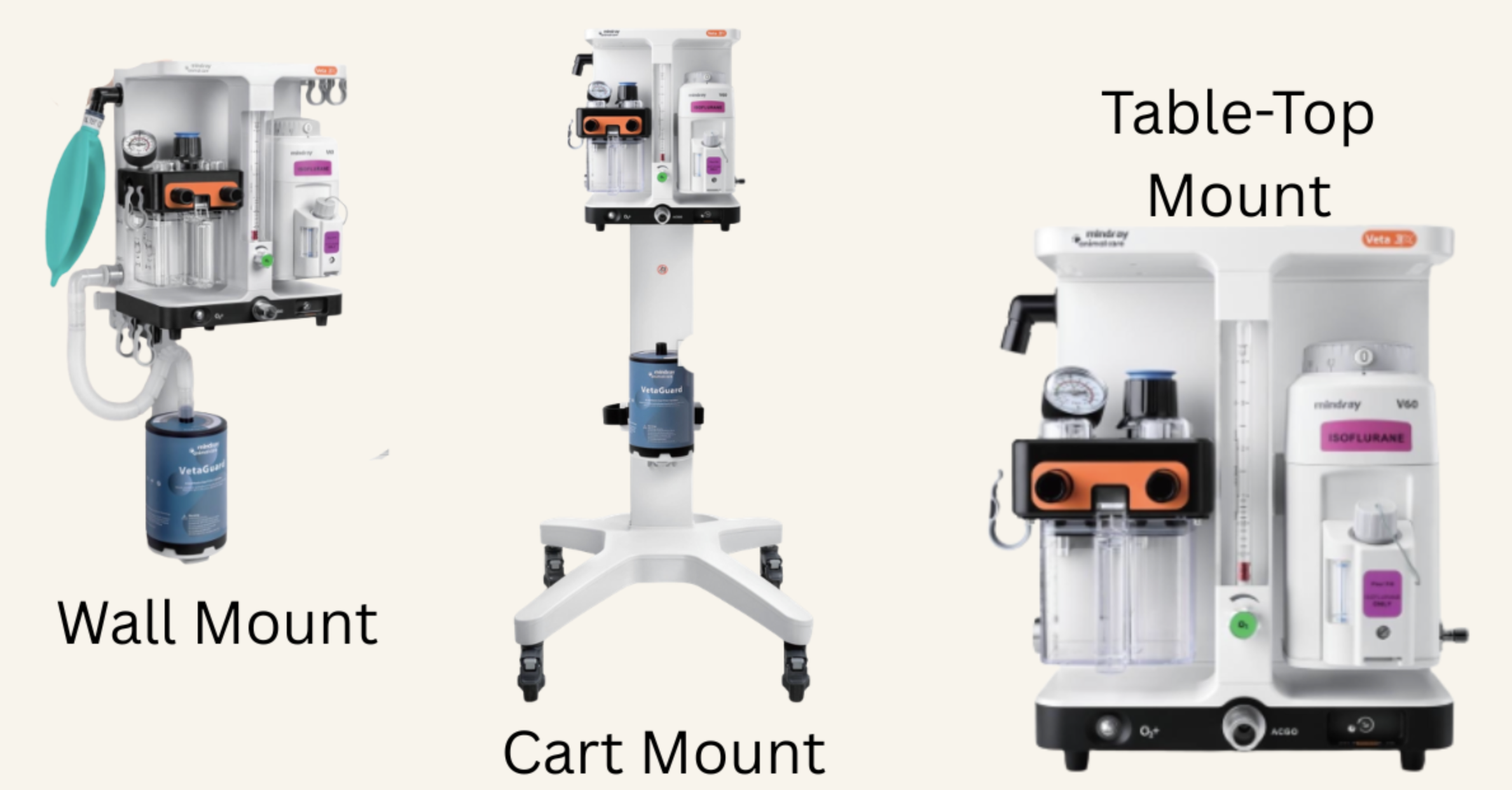
5 Factors That Make or Break Your Next Veterinary Anesthesia Machine Purchase
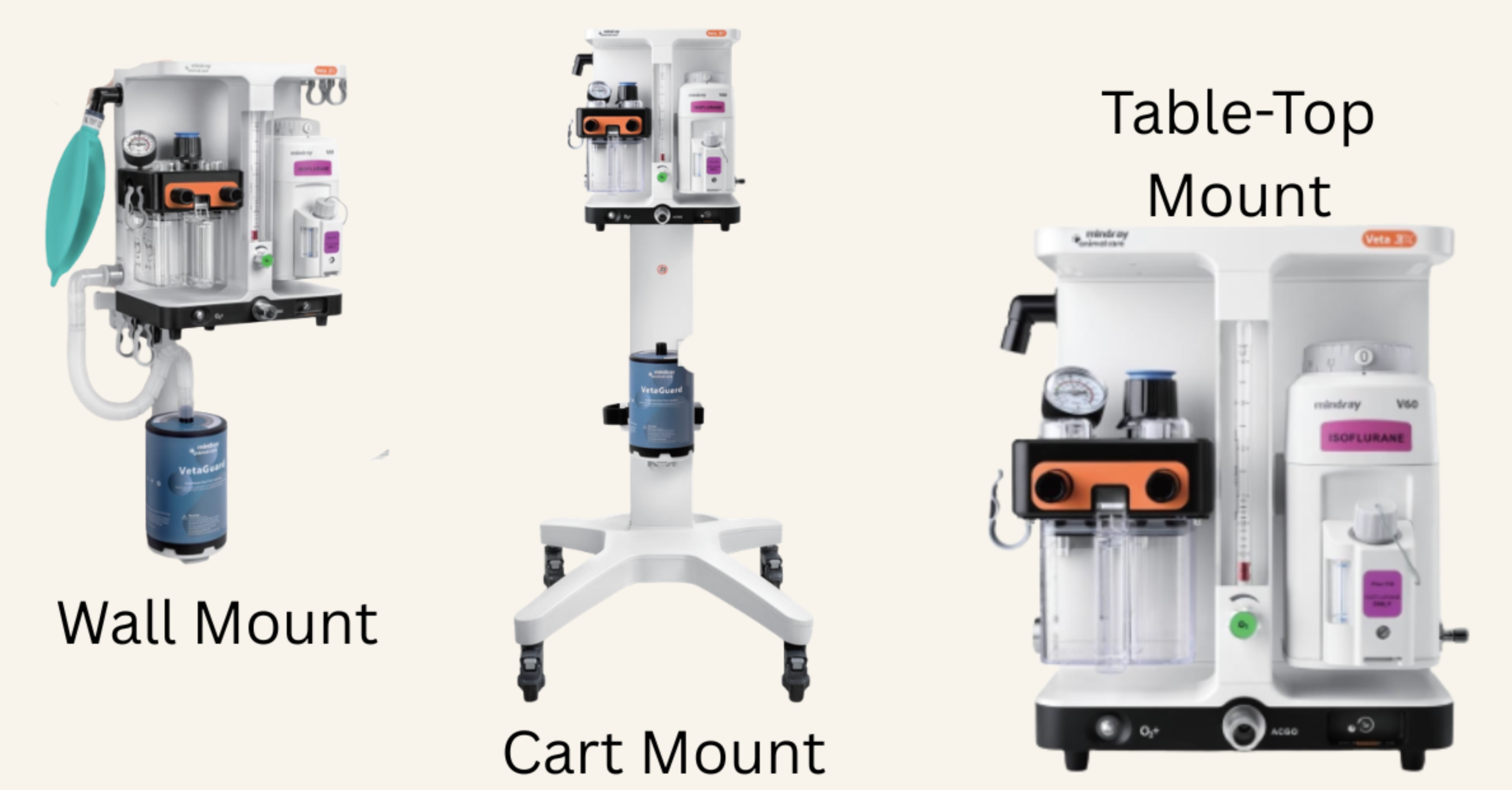
Veta 3X
Investing in a new anesthesia machine is one of those decisions that quietly shapes your entire surgical workflow. It’s so important to choose equipment your team can rely on every single day, across every patient, in every procedure.
If you’re in the process of evaluating options, here are five key factors worth paying close attention to.
Let’s dive in…
1. Reliability of Anesthetic Delivery
At the core of any anesthesia machine is its ability to deliver consistent, controlled anesthesia. Variability can directly impact patient stability, so, as you know, it’s not something to be taken lightly.
Look for systems with dependable vaporizers and pressure management features that help maintain steady anesthetic depth throughout a procedure.
A fixed-mount isoflurane vaporizer with a pour-fill system, like the one included with the Veta 3X, supports consistent output while minimizing handling complexity.
This is one area where simplicity and precision go a long way.
2. Compatibility with Your Patient Base
Not every practice has the same caseload, and your anesthesia machine should reflect that.
If you’re seeing a wide range of patients, from small cats and exotics to larger dogs, you’ll want flexibility in your breathing systems.
Machines that support both rebreathing and non-rebreathing setups allow you to adapt quickly without needing separate equipment. The inclusion of a Bain system kit and disposable Bain circuit makes it easier to safely anesthetize smaller patients without overcomplicating your setup.
Versatility here directly translates to smoother case flow.
3. Ease of Use for Your Team
Anesthesia is managed by a team, often in fast-paced environments. Intuitive, easy-to-use equipment reduces training time and helps minimize errors.
Features to look for:
Clearly labeled and accessible controls
Logical component layout
Straightforward switching between systems
When components like the APL valve, CO₂ absorber, and breathing circuits are easy to access and manage, your team can stay focused where it matters most…on the patient.
It’s also worth considering how well a new anesthesia machine will integrate into your existing workflow without slowing your team down.
The goal is to create a smoother, more predictable surgical environment. Equipment that’s quick to set up, easy to maintain, and intuitive to use can reduce delays between cases and help your team stay efficient throughout the day.
4. Included Components and Setup Readiness
One of the most overlooked factors when purchasing a new anesthesia machine is what actually comes with it. A more complete system, like one that includes:
Fixed mount Iso vaporizer (pour fill)
O₂ hose
US gas hoses (DISS/DISS)
Bain system kit
Disposable Bain circuit
…allows your team to get up and running quickly without sourcing additional parts or troubleshooting compatibility issues.
It’s a small detail that makes a big difference during setup.
5. Cost, Warranty, and Long-Term Value
Price always matters, but it should be evaluated alongside what you’re actually getting.
A system priced at $4,000 (including shipping) with a 3-year parts-only warranty offers a clear, predictable investment. Beyond the upfront cost, consider:
Expected lifespan of the equipment
Ease of maintenance
Availability of replacement parts
A well-balanced machine provides not just affordability, but dependable performance over time, without constant repairs or workarounds.
Reliability Where It Counts
Choosing the right anesthesia machine goes beyond specs on a page. It’s about finding a system that fits your patients, supports your team, and performs consistently under real clinical conditions.
When you evaluate options through that lens, reliability, flexibility, usability, completeness, and long-term value, you’re far more likely to land on a machine that truly supports your practice day in and day out.
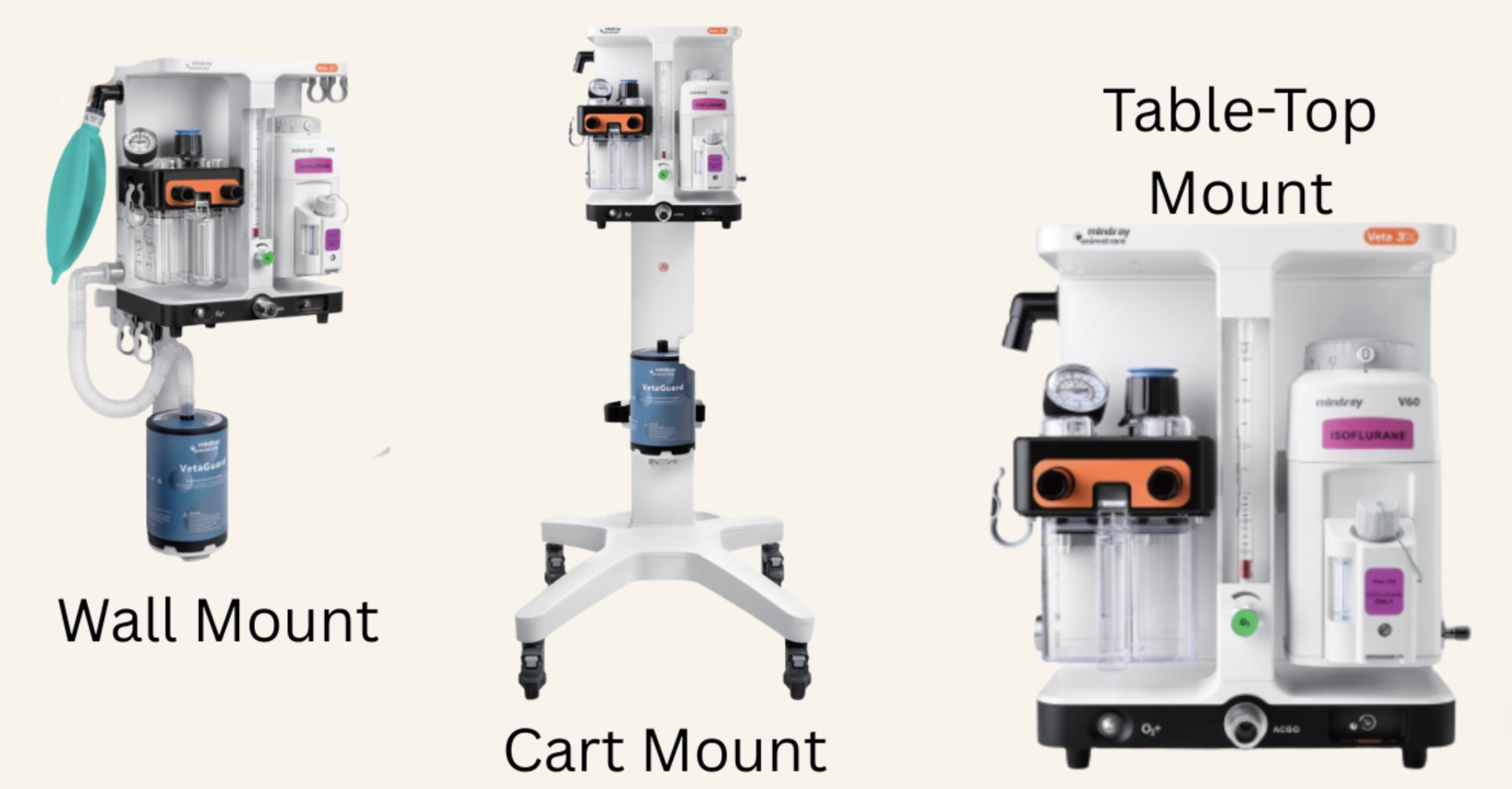
The Mindray Veta 3X: Reliable Anesthesia for Modern Veterinary Practices
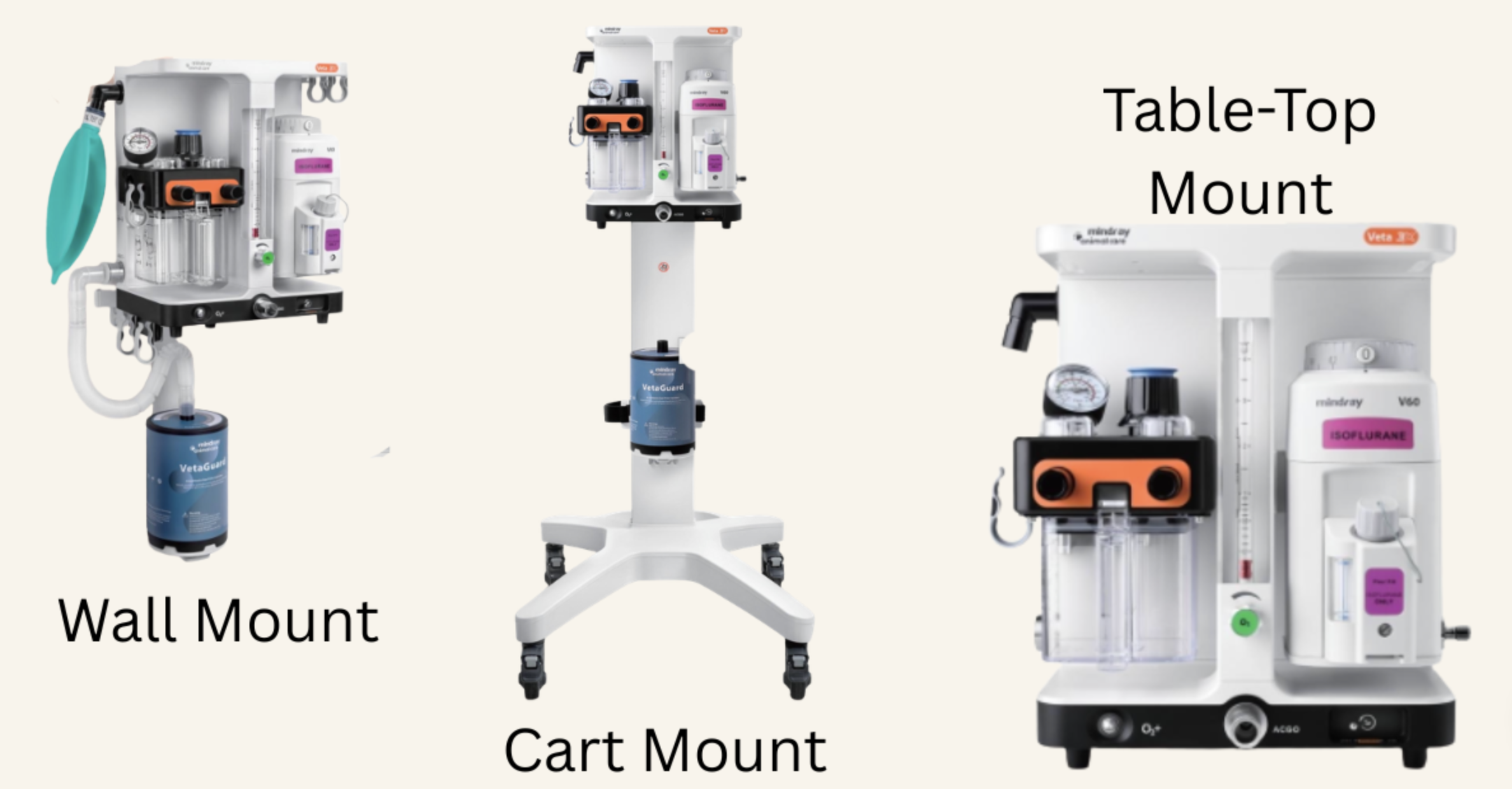
As an experienced pro in veterinary surgery, you know that your anesthesia machine is a critical component of maintaining safe, controlled procedures.
When equipment is reliable, intuitive, and easy to integrate into the workflow, it supports patient safety and team efficiency.
That’s where the Mindray Veta 3X Anesthesia Machine fits in.
Before we dive into the details, let’s revisit the importance of choosing the right anesthesia machine for your practice.
Why Choosing the Right Anesthetic Machine Matters in Veterinary Practice
Anesthesia is not a one-size-fits-all process. Differences in patient size, species, and procedure type require equipment that can deliver precise, consistent control while adapting to a variety of clinical scenarios.
A well-matched machine supports accurate anesthetic delivery, effective ventilation, and safe pressure management, all while integrating smoothly into your team’s workflow.
For practice owners, it also plays a role in things like:
· Long-term reliability
· Maintenance costs
· Overall standard of care
Making it a foundational investment, not just another piece of equipment.
The Risks of Using Outdated Anesthetic Equipment in Veterinary Procedures
Using outdated anesthetic machines can introduce avoidable risks that impact both patient safety and clinical efficiency. Older equipment may lack modern safety features like:
Precise vaporizer calibration
Reliable pressure regulation
Effective leak detection
Increasing the likelihood of inconsistent anesthetic delivery.
Wear and degradation over time can also lead to equipment malfunction, gas leaks, or inaccurate monitoring, which could go unnoticed until they affect a procedure.
As standards of care continue to evolve, relying on aging equipment can make it more challenging to maintain predictable, controlled anesthesia across a wide range of patients and procedures.
A Practical, Streamlined Approach to Anesthesia
The Veta 3X is designed particularly for those working with limited space or lean teams. Its compact footprint allows it to integrate easily into existing treatment and surgical areas without extensive reconfiguration.
The system is intentionally straightforward, focusing on essential functionality like:
Consistent anesthetic delivery
Simple transitions between breathing systems
Clearly organized and accessible components
This design supports easy and efficient operation during procedures, especially in time-sensitive situations.
Built for Safety and Consistency
At the core of the Veta 3X is a fixed-mount isoflurane vaporizer with a pour-fill system, designed to deliver reliable anesthetic output. Key features that support patient safety include:
Adjustable APL valve for controlled pressure management
Visible and accessible breathing system components for monitoring
Integrated CO₂ absorber canister for effective gas management
These elements work together to promote consistent anesthetic depth and controlled delivery throughout procedures.
Designed for Everyday Veterinary Workflow
The Veta 3X incorporates design features that support daily use:
Organized hose and cable management to reduce clutter
Durable construction suited for high-use environments
Compatibility with both rebreathing and non-rebreathing systems
The included Bain system further supports flexibility, particularly for smaller patients requiring non-rebreathing anesthesia.
What’s Included
This configuration provides a complete anesthesia setup:
Fixed mount Iso vaporizer (pour fill)
O₂ hose
US gas hoses (DISS/DISS)
Bain system kit for Veta 3X
Disposable Bain circuit (1.2M)
These all work together, reducing the need for additional sourcing or compatibility concerns.
Cost and Warranty
The Veta 3X is available for $4,000, including shipping, and includes a 3-year parts-onlywarranty. This positions it as a practical option for:
New or expanding veterinary practices
Additional surgical suites
Facilities replacing older anesthesia equipment
The Mindray Veta 3X Anesthesia Machine offers a straightforward, reliable solution for veterinary anesthesia. Its design emphasizes essential functionality, ease of use, and compatibility with common clinical workflows, supporting consistent performance in a variety of practice settings.