
Inside the Mind of a Veterinary Neurologist: What MRI Actually Reveals
When a patient presents with seizures, neck pain, weakness, ataxia, or paralysis, the neurological exam provides important clues, but it rarely tells the entire story.
It’s possible for a neurologist to localize a lesion to a specific region of the brain or spinal cord based on clinical signs alone. However, localization is only the first step. The real question remains: What is actually causing the problem?
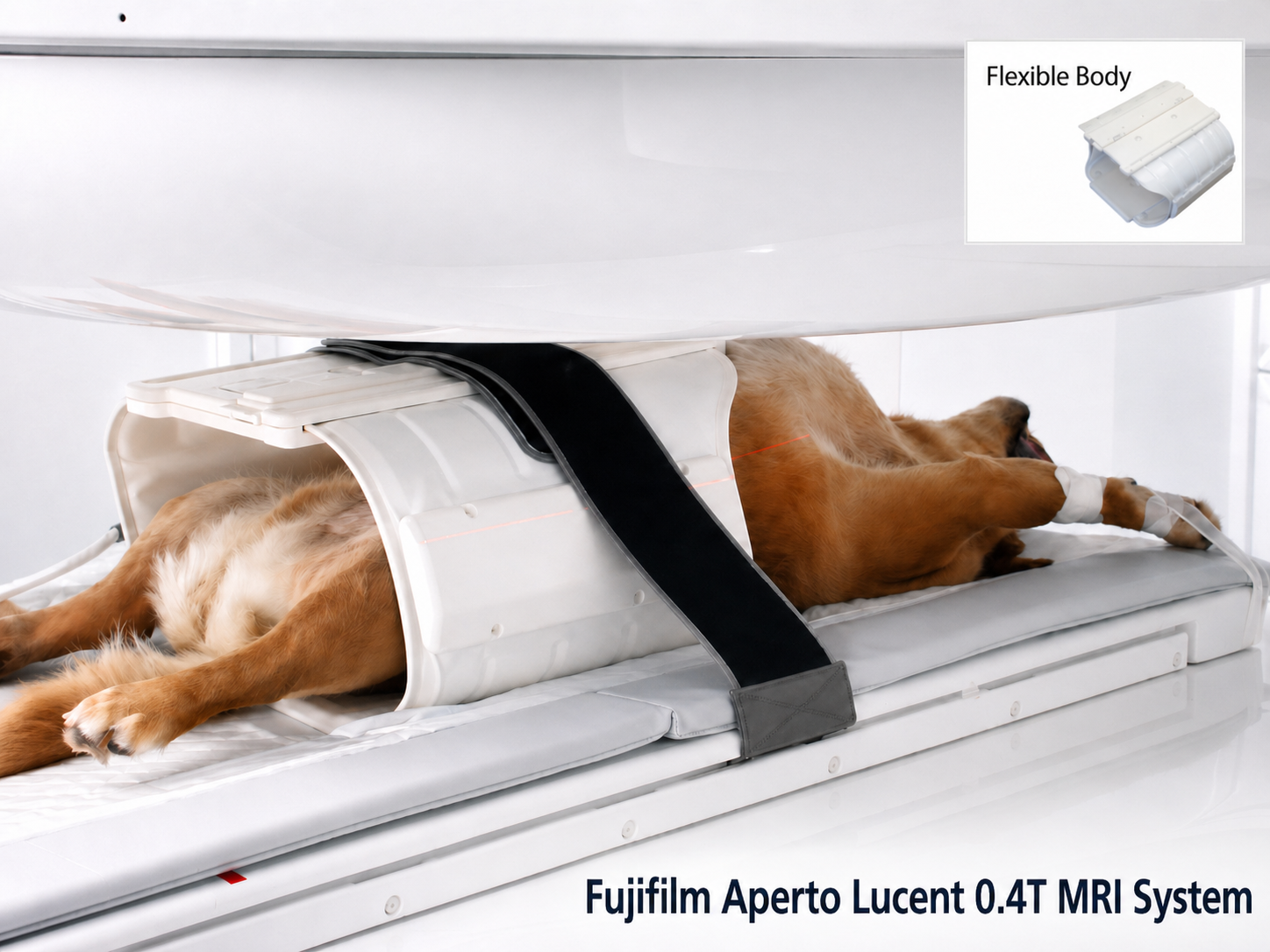
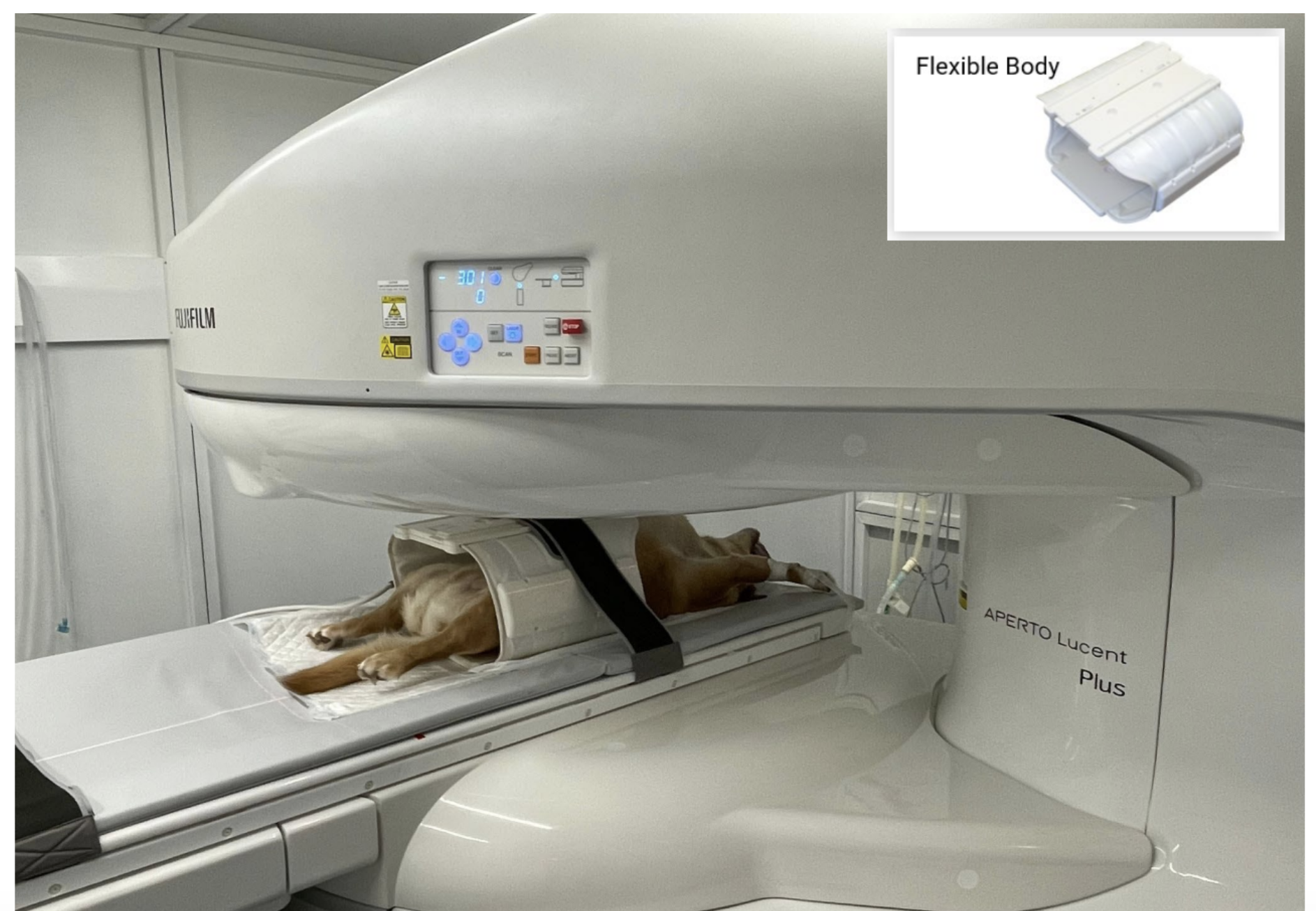
That’s where magnetic resonance imaging (MRI) becomes one of the most powerful diagnostic tools in veterinary medicine. Modern systems, such as the Fujifilm Aperto MRI System, allow clinicians to move beyond educated suspicions and visualize disease processes with remarkable detail. For veterinary neurologists, MRI is not simply about obtaining images; it is about uncovering information that directly influences diagnosis, treatment decisions, prognosis, and ultimately patient outcomes.
From Localization to Confirmation
One of the most important distinctions in neurology is between a suspected and a confirmed diagnosis.
Consider a dog presenting with acute hindlimb paralysis.
Based on history, neurological exam findings, and signalment, a neurologist may strongly suspect an intervertebral disc extrusion. However, several other conditions can produce nearly identical clinical signs, including:
Spinal neoplasia
Inflammatory disease
Hemorrhage
Vertebral abnormalities
Infectious conditions affecting the spinal cord
Without advanced imaging, treatment decisions are often based on probabilities. MRI changes that equation.
Instead of asking, “What is most likely happening?” Neurologists can ask, “What is actually happening?”
That distinction can dramatically alter a patient's treatment plan.
What Neurologists Are Actually Looking For
Many people assume neurologists simply look for obvious abnormalities on MRI images. In reality, image interpretation is far more nuanced. A veterinary neurologist evaluates dozens of variables simultaneously, including:
Tissue Characteristics
Different diseases affect tissue differently. MRI sequences help distinguish:
Normal tissue from abnormal tissue
Inflammation from neoplasia
Acute injury from chronic disease
Edema from hemorrhage
Active disease from residual structural change
These distinctions often determine whether a patient requires surgery, medication, monitoring, or referral.
Lesion Location
In neurology, location matters almost as much as the disease itself. A lesion affecting one area of the spinal cord may carry a very different prognosis than an identical lesion located elsewhere.
MRI allows neurologists to assess:
Precise anatomical location
Degree of compression
Involvement of surrounding structures
Extent of tissue damage
Even subtle differences can influence recommendations regarding surgery, rehabilitation, and long-term management.
Disease Extent
Clinical signs may underestimate, or occasionally overestimate, the true severity of the disease.
MRI frequently reveals:
Multiple lesions rather than a single lesion
More extensive inflammation than anticipated
Additional areas of compression
Previously undetected abnormalities
Understanding the full extent of disease helps clinicians build more accurate treatment plans and set realistic expectations for owners.
The Power of Subtle Findings
Some of the most valuable MRI discoveries are not dramatic. In fact, small findings often provide the information that changes everything.
Case Example: Cervical Disc Disease
A dog presents with neck pain and intermittent forelimb lameness. Radiographs may show degenerative changes, but they cannot determine whether the spinal cord is affected.
MRI may reveal:
Mild disc protrusion
Early spinal cord compression
Subtle spinal cord signal changes
These findings can help determine whether conservative management is appropriate or whether surgical intervention should be considered before neurological deficits progress.
Case Example: Seizure Patients
A young dog with seizures may have a normal neurological examination between episodes.
MRI may identify:
Congenital abnormalities
Inflammatory brain disease
Structural lesions
Previously undetected masses
Each finding points clinicians toward a completely different diagnostic and therapeutic pathway. Without imaging, those distinctions may remain hidden.
Why Image Quality Matters
Advanced MRI systems have transformed veterinary neurology by providing higher-quality images, faster acquisition times, and improved diagnostic capabilities.
TheFujifilm Aperto MRI System is designed to support the detailed visualization that neurologists rely on every day. High-resolution imaging helps clinicians identify subtle lesions that might otherwise be missed and evaluate complex neurological cases with greater confidence.
This becomes particularly important when assessing:
Early inflammatory disease
Small intracranial lesions
Mild spinal cord abnormalities
Post-surgical evaluations
Progressive neurological conditions
When image quality improves, diagnostic confidence often improves as well.
The Impact on Patient Outcomes
Ultimately, MRI is not about technology. It is about reducing uncertainty.
Every veterinary team has experienced cases where clinical signs suggest one diagnosis, only for advanced imaging to reveal something entirely different. For neurologists, MRI provides answers that physical examination alone cannot.
It confirms suspicions. It challenges assumptions. It guides treatment decisions. And most importantly, it helps clinicians deliver the best possible care for their patients.
Bringing It All Together
MRI Systems provide the detailed imaging needed to uncover subtle abnormalities, refine diagnoses, and support confident clinical decision-making. The result is more than a clearer image; it is a clearer path forward.
Because in neurology, the difference between uncertainty and certainty can mean the difference between monitoring and intervention, between symptom management and targeted treatment, and ultimately between guessing what is wrong and knowing what is truly affecting the patient.

Anesthesia & MRI: Minimizing Risk While Maximizing Image Quality
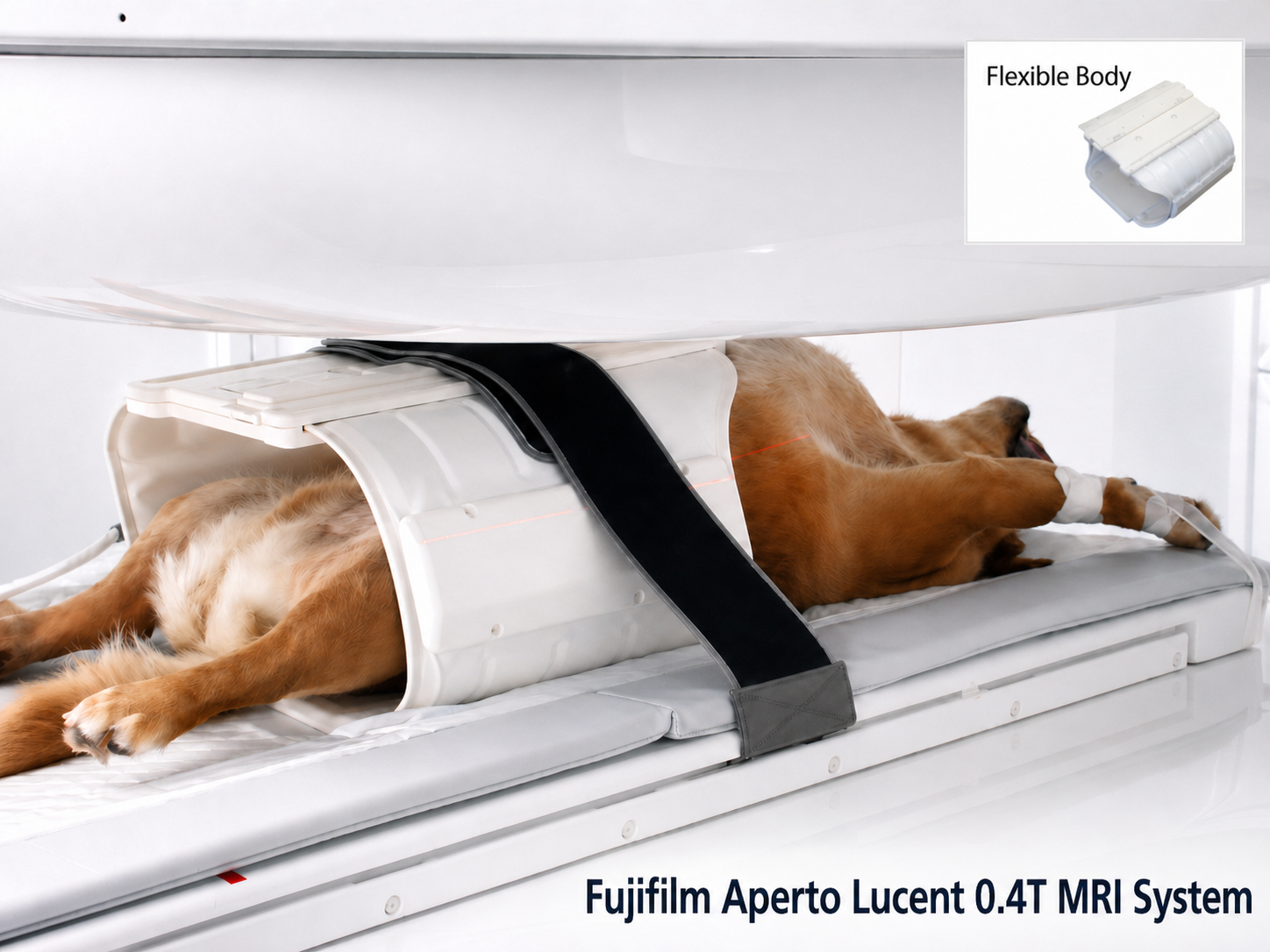
MRI is an imaging procedure, but a successful scan depends on much more than the machine.
Behind every good MRI study is a team carefully managing four important things:
Patient safety
Stable anesthesia
Efficient workflow
Clear, diagnostic images
For many veterinary teams, the anesthesia side of MRI can feel intimidating at first.
Not because it is impossible.
But because MRI is different.
The room is different.
The equipment is different.
The team setup is different.
And communication can feel different because the patient is not managed the same way as in a typical surgery room.
That is why preparation matters so much. When the team understands the MRI environment and has a clear plan before the scan begins, the entire process becomes safer, smoother, and more efficient.
Good MRI Images Start Before the Patient Enters the Scan Room
One of the easiest mistakes teams make early on is focusing only on the scan itself, but image quality starts long before imaging begins.
Things like:
Proper catheter placement
Organized line management
Patient padding
Stable anesthetic depth
Thoughtful positioning
…all directly impact the quality and efficiency of the study. A patient who’s uncomfortable, unstable, or poorly positioned often leads to:
Motion artifact
Repeat sequences
Longer anesthesia times
Increased stress for the entire team
Preparation matters more than people realize. And smooth MRI days usually come down to one thing: fewer preventable adjustments once the scan has started.
Positioning: Small Details Make a Huge Difference
Positioning is one of those things that can either save your team time or quietly steal a lot of it. Repeatable positioning helps create:
More consistent images
Faster sequence setup
Better study interpretation
Less need for rescans
Even small changes can matter, like:
Keeping the spine straight and supported
Avoiding rotation
Using consistent landmarks
Securing patients well enough to prevent subtle movement
The goal is stability without creating unnecessary pressure points or compromising ventilation. And from a workflow standpoint, consistency is everything.
When every technician positions slightly differently, studies become harder to reproduce and troubleshooting becomes more frustrating. That’s why many successful MRI teams eventually develop very standardized positioning protocols:
Same supports
Same setup sequence
Same communication process
It reduces guesswork for everyone involved.
Monitoring in MRI Environments Requires a Different Mindset
MRI anesthesia monitoring can feel uncomfortable at first because the setup naturally creates more distance between the patient and the anesthesia team.
You can’t always stand directly beside the patient the way you might during surgery. That’s why preparation and vigilance become even more important.
Some practical habits that help:
Confirm all monitoring equipment is MRI-compatible before the patient enters the room
Organize lines and cables carefully to prevent tangling or interference
Double-check connections before sequences begin
Establish clear communication between the imaging and anesthesia teams
And perhaps most importantly:
Anticipate problems early instead of reacting late
Because once imaging is underway, interruptions cost time, not just operationally, but anesthetically too.
Efficiency Between Sequences Matters More Than You Think
This is an area that often improves dramatically with experience. In the beginning, sequence transitions can feel slow:
Repositioning takes longer
Communication gets clunky
Adjustments happen reactively instead of proactively
But over time, efficient teams learn how to minimize downtime between sequences. That might look like:
Planning the study flow ahead of time
Anticipating coil changes early
Having positioning aids ready before they’re needed
Assigning clear responsibilities to each team member
The smoother those transitions become, the less time patients spend under anesthesia overall. And that benefits everyone:
Efficiency isn’t about rushing; it’s about reducing unnecessary delays.
Reducing Time Under Anesthesia Starts With Preparation
One of the best ways to shorten anesthesia time is surprisingly simple: be organized before induction ever happens. That includes:
Confirming imaging protocols ahead of time
Reviewing patient history thoroughly
Preparing supplies in advance
Ensuring the room is ready before bringing the patient in
Because once anesthesia begins, time matters. Even a few preventable delays can slowly compound:
Missing supplies
Positioning uncertainty
Communication breakdowns
Repeated setup adjustments
And those little inefficiencies add up quickly over the course of a full MRI day.
MRI Success Is Deeply Team-Dependent
One thing worth appreciating about MRI workflows is how clearly they highlight the importance of every role in the hospital. Successful MRI cases aren’t driven by one person. They rely on:
Veterinarians making thoughtful case selections
Technicians managing anesthesia and positioning
Assistants help maintain efficiency and patient safety
Imaging teams coordinating workflow and communication
When everyone understands the process, the entire experience becomes calmer and more controlled.
The Goal Isn’t Just Faster Scans
This is important. Efficiency matters, but not at the expense of patient care. The goal is not: “How fast can we get this done?”
The goal is: “How can we create consistent, high-quality studies while keeping patients as safe and stable as possible?”
When teams focus on preparation, communication, and repeatable workflow habits, both things tend to improve naturally:
Better image quality
Better anesthesia experiences
And over time, MRI shifts from feeling intimidating to feeling like just another well-coordinated part of patient care.
Common MRI Cases in General Practice (Not Just Specialty Hospitals)
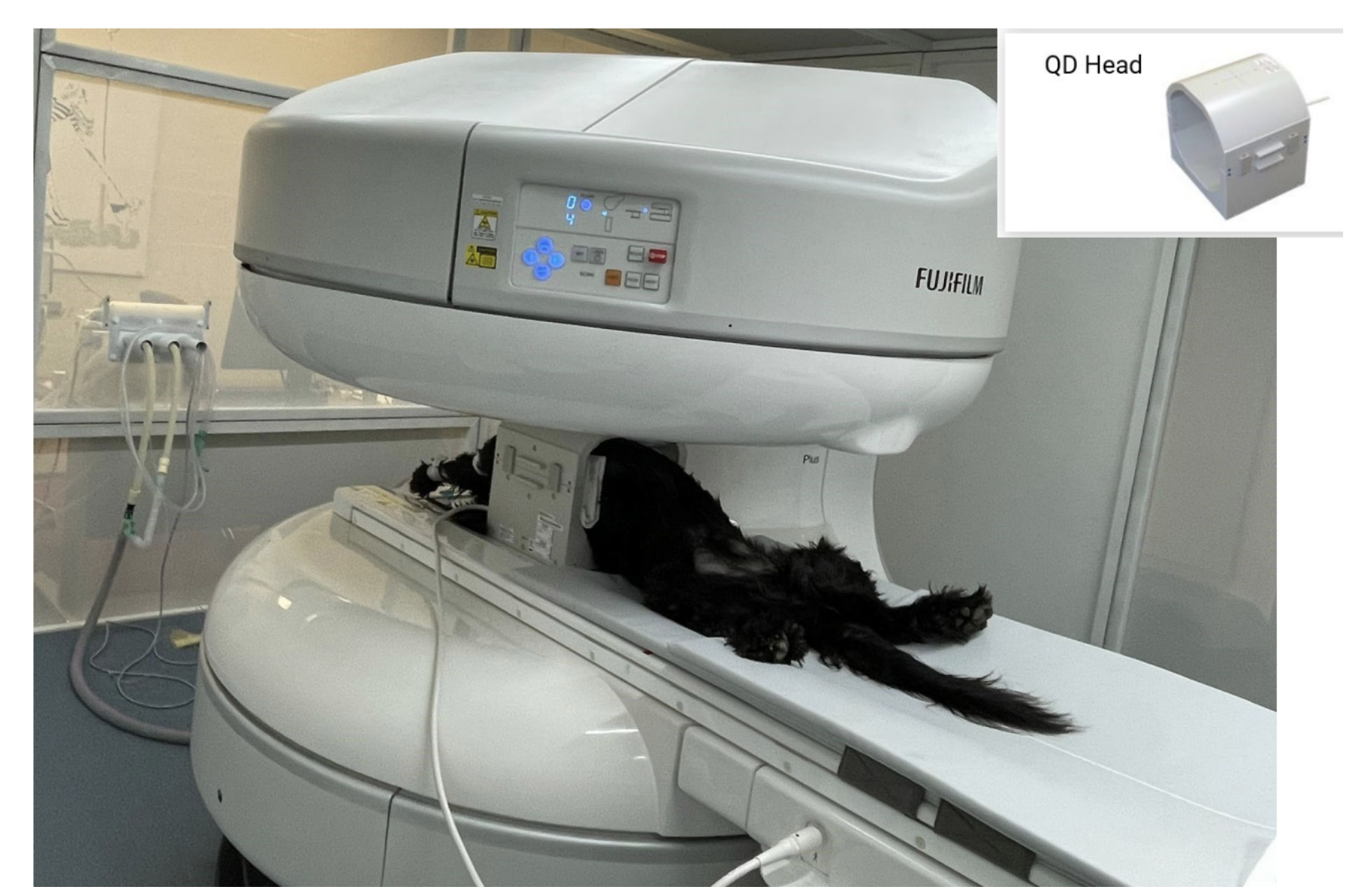
When many people think about MRI in veterinary medicine, they picture massive specialty centers handling only the most advanced neurological cases.
But the reality is… a lot of the patients who benefit from MRI are already walking through the doors of general practices every single day. They’re the cases that leave you thinking:
“Something still isn’t adding up.”
“I feel like we’re missing a piece of the puzzle.”
“We’ve tried conservative management, but we still don’t have answers.”
And honestly, that’s where MRI becomes so valuable.
Not because every patient needs advanced imaging, but because some cases simply can’t be fully understood without it.
The interesting part? These aren’t always rare or highly specialized cases. Many of the patients you’re already seeing regularly, you just don’t always have the diagnostic clarity to confidently move forward.
The Suspected IVDD Case
This is probably one of the most recognizable MRI cases in veterinary medicine.
The painful dachshund.
The suddenly non-ambulatory Frenchie.
The patient went from “a little stiff” to neurologic symptoms seemingly overnight.
In many cases, you can strongly suspect IVDD based on exam findings and history alone. But MRI helps answer the deeper questions:
Which disc is affected?
How severe is the compression?
Is surgery indicated?
Are there multiple sites involved?
That level of detail matters—not only for surgical planning, but for setting realistic expectations with clients.
And sometimes, MRI reveals something entirely different than what was initially suspected.
That’s the part that turns educated guesses into confident treatment plans.
The Seizure Workup That Needs More Than Monitoring
Seizure cases can be incredibly frustrating for both veterinarians and pet owners.
Sometimes, everything points toward idiopathic epilepsy. Other times… something feels off.
Maybe:
The patient is older at onset
Neurologic deficits are present between episodes
Medications aren’t helping the way you expected
Episodes are becoming more frequent or severe
MRI becomes especially valuable in these situations because it helps determine whether there’s an underlying structural cause:
Brain tumors
Inflammatory disease
Congenital abnormalities
Previous trauma or infarcts
And for clients, having clearer answers often improves their ability to commit emotionally and financially to treatment plans. Even when findings are difficult, clarity helps families make more informed decisions moving forward.
Chronic Lameness Cases That Keep Circling Back
Every practice has them…the patient that’s had:
Multiple radiographs
Rest periods
Medication trials
Rehab recommendations
…but still isn’t improving the way everyone hoped.
Sometimes the issue isn’t orthopedic at all. MRI can uncover:
Soft tissue injuries
Neurologic involvement
Subtle joint abnormalities
Muscle or tendon pathology that radiographs simply can’t show well
And these are often among the most diagnostically rewarding cases because the answer has been hiding in plain sight all along.
It’s not that the case was being managed incorrectly—it’s that the full picture wasn’t visible yet.
The “Painful but Normal Diagnostics” Patient
These cases can be some of the most mentally exhausting.
The patient is clearly uncomfortable. The owner knows something is wrong. Your team knows something is wrong, but bloodwork looks normal, radiographs are inconclusive, and conservative management only partially helps.
These are the moments where MRI can completely shift the direction of a case. Whether it’s:
Spinal cord compression
Nerve root involvement
Inflammatory disease
Hidden soft tissue pathology
…advanced imaging often provides the missing explanation everyone has been searching for. And perhaps just as importantly, it gives clients reassurance that their concerns were valid all along.
MRI Isn’t About Replacing Clinical Skills
This is important: MRI doesn’t replace a strong physical exam, thoughtful diagnostics, or clinical intuition.
If anything, it enhances them.
Because most MRI cases don’t begin with imaging. They begin with experienced veterinary teams recognizing:
“This patient needs more answers than we can get from our current diagnostics.”
That’s good medicine, not overcomplication.
General Practice Is Already Seeing MRI Cases
This is where the conversation around MRI has really started to shift in recent years. Advanced imaging is no longer reserved exclusively for referral hospitals handling ultra-rare cases.
General practices are already seeing:
Neurologic patients
Chronic pain cases
Complicated lameness workups
Patients that plateau despite treatment
The difference is that now, more practices are exploring ways to keep those diagnostic journeys closer to home. And for many hospitals, that changes:
Continuity of care
Client trust
Diagnostic confidence
Long-term case management
Sometimes the Biggest Value Is Simply Having Answers
At the end of the day, MRI isn’t just about finding dramatic diagnoses.
Sometimes, its greatest value is ruling things out or confirming a suspicion.
Sometimes it’s helping a client finally understand why their pet hasn’t improved.
And sometimes, it simply allows everyone, the veterinarian, the team, and the owner, to stop operating in uncertainty.
Because you’re already seeing these cases. You just don’t always have all the answers yet.
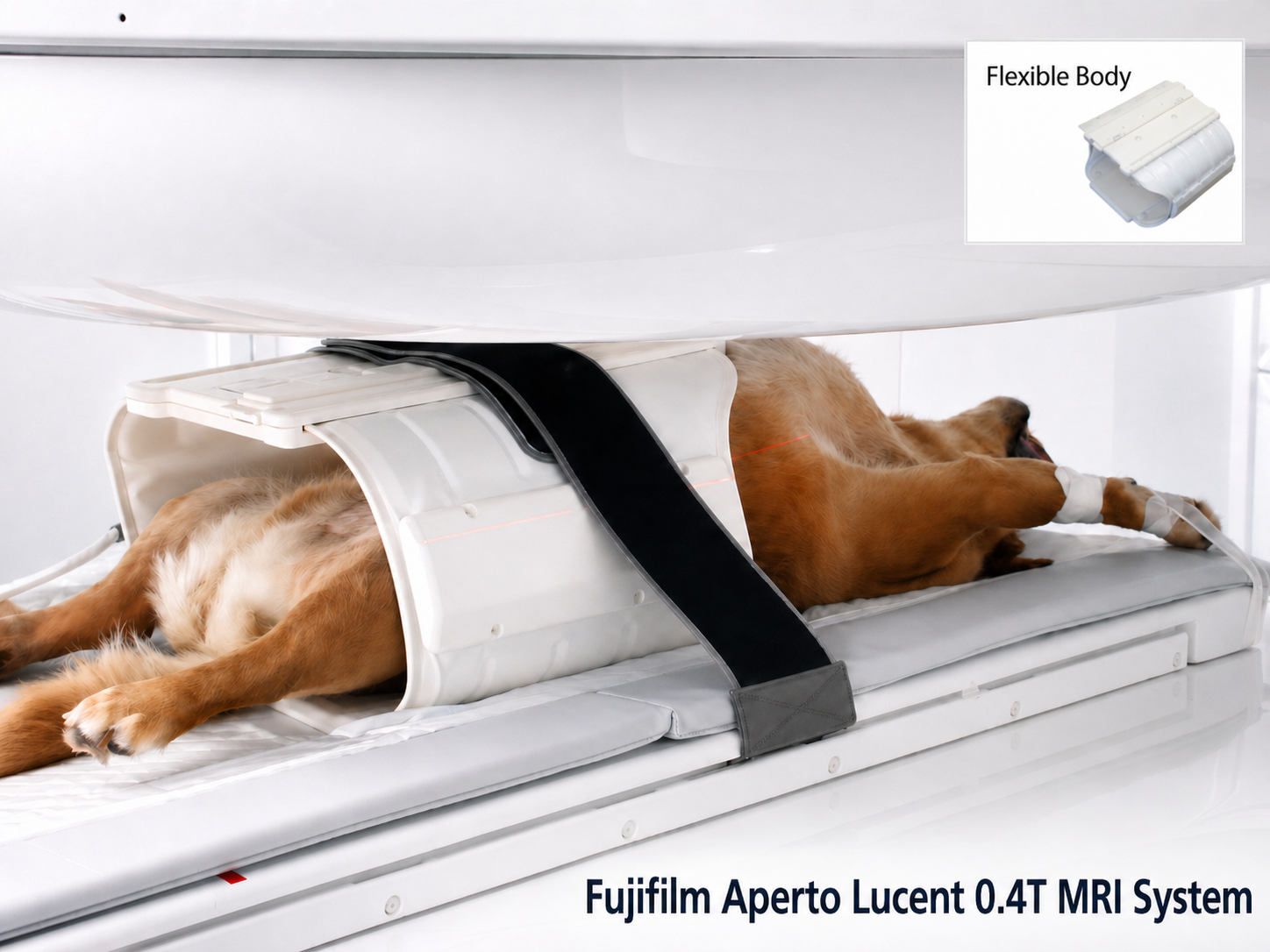
From Referral to Diagnosis: The MRI Patient Journey in a Busy Practice
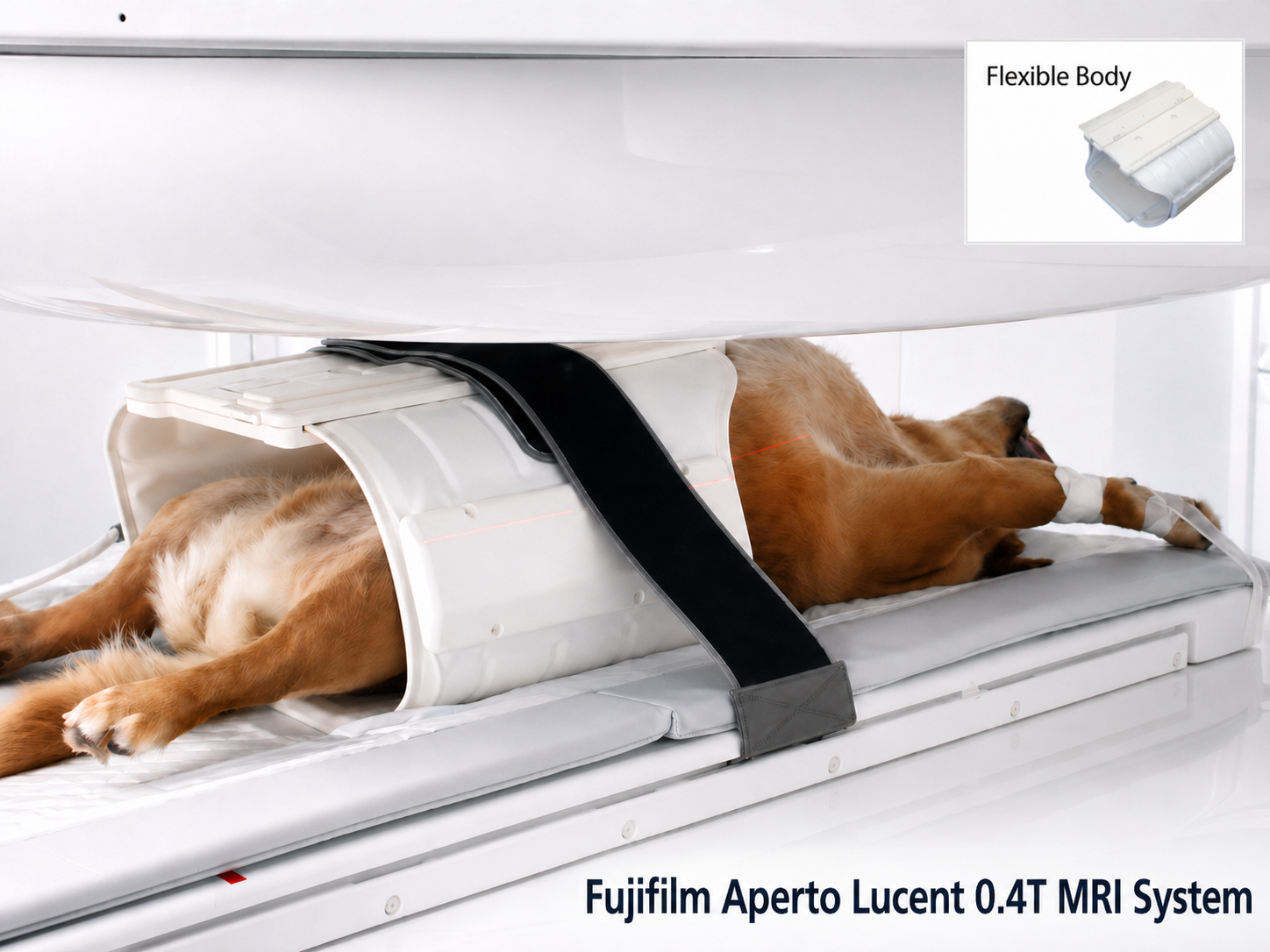
When practices first start considering MRI, it’s easy to focus on the machine itself.
The specs. The installation. The financial investment.
But eventually another question surfaces: “What would this actually look like in our hospital day-to-day?”
And honestly, it’s such a good question to ask.
Because successful MRI integration isn’t just about having advanced imaging, it’s about creating a workflow that feels manageable, efficient, and sustainable for your team.
The good news is that most practices don’t build perfect MRI workflows overnight. They build them one protocol, one patient, and one team adjustment at a time.
Let’s walk through what the MRI patient journey can realistically look like inside a busy veterinary practice.
It Starts Before the Appointment Is Even Scheduled
One of the biggest shifts in practice experience after adding MRI is becoming more intentional about case selection. Not every patient needs advanced imaging. But the right cases become much clearer over time.
Common MRI candidates often include:
Suspected IVDD cases
Seizure patients
Chronic neurologic symptoms
Unexplained pain or lameness
Patients are not responding to treatment as expected
As your team gains confidence, scheduling becomes more streamlined because everyone begins to recognize which cases are most likely to benefit from MRI. That’s where strong communication between doctors, technicians, and client care teams becomes incredibly important.
When everyone understands which patients are appropriate candidates, which diagnostics should be performed beforehand, and how to prepare clients for the process, the entire workflow runs more smoothly before the patient even walks through the door.
The Day-of Workflow: Organized, Not Chaotic
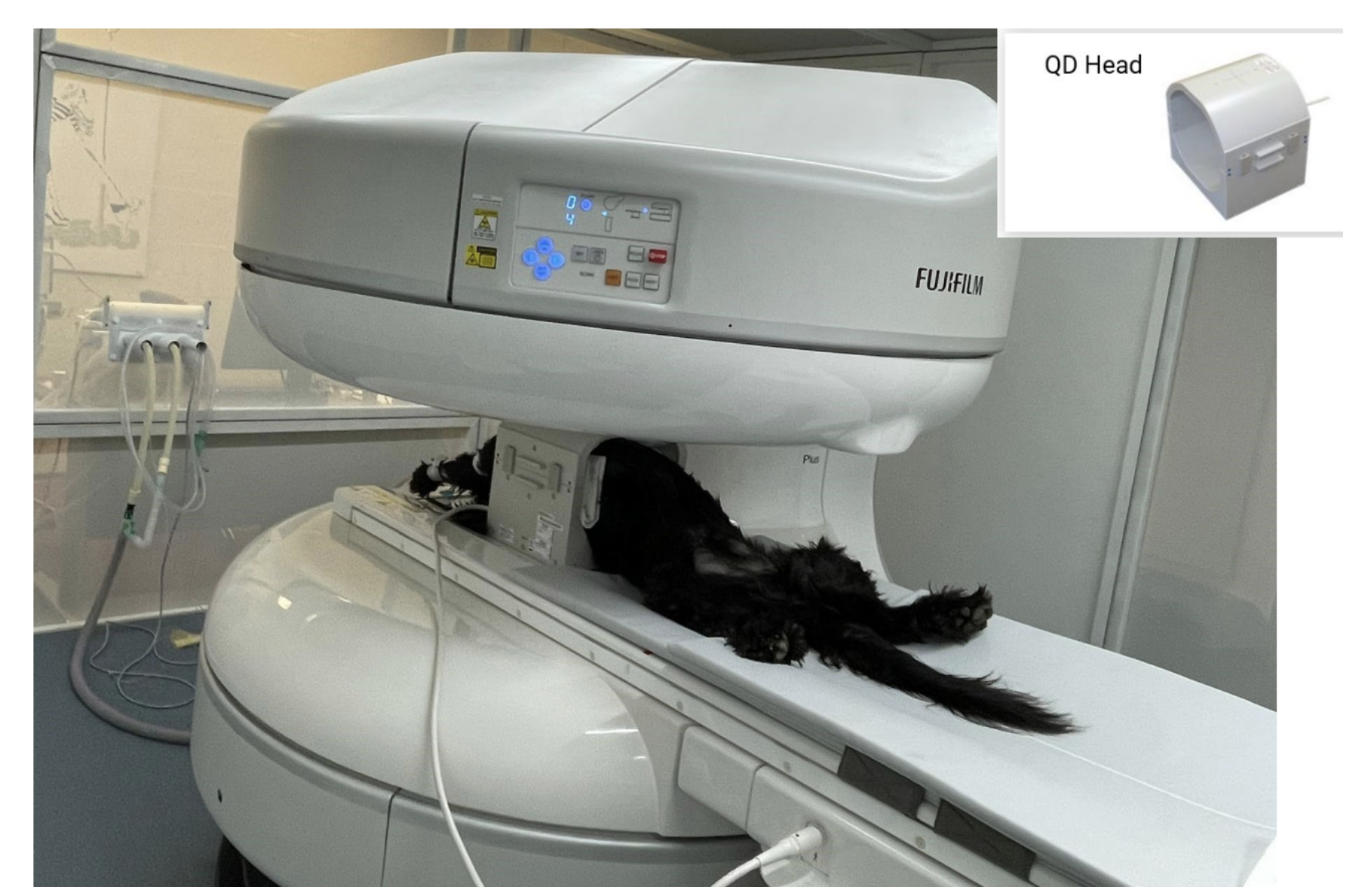
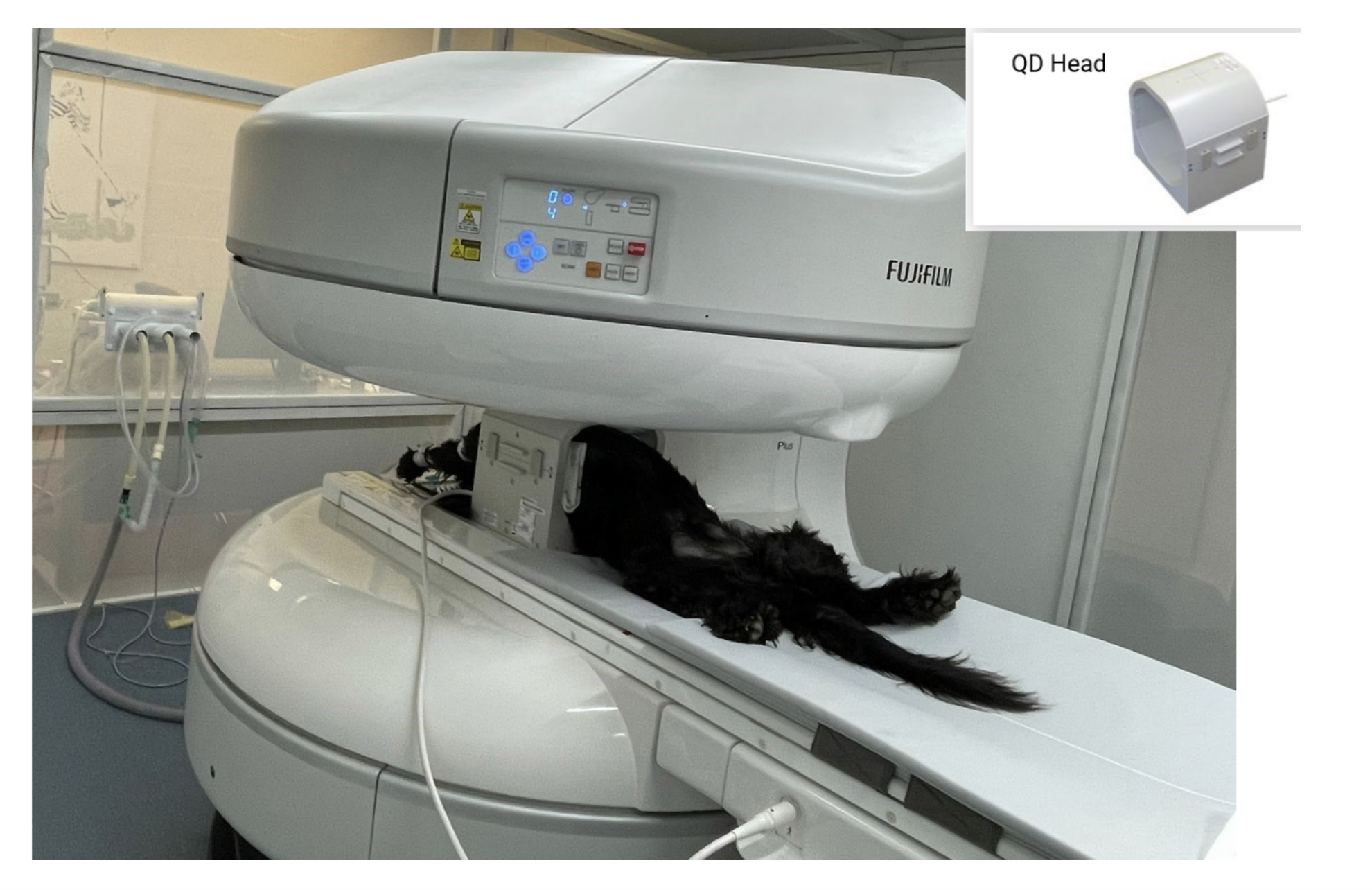
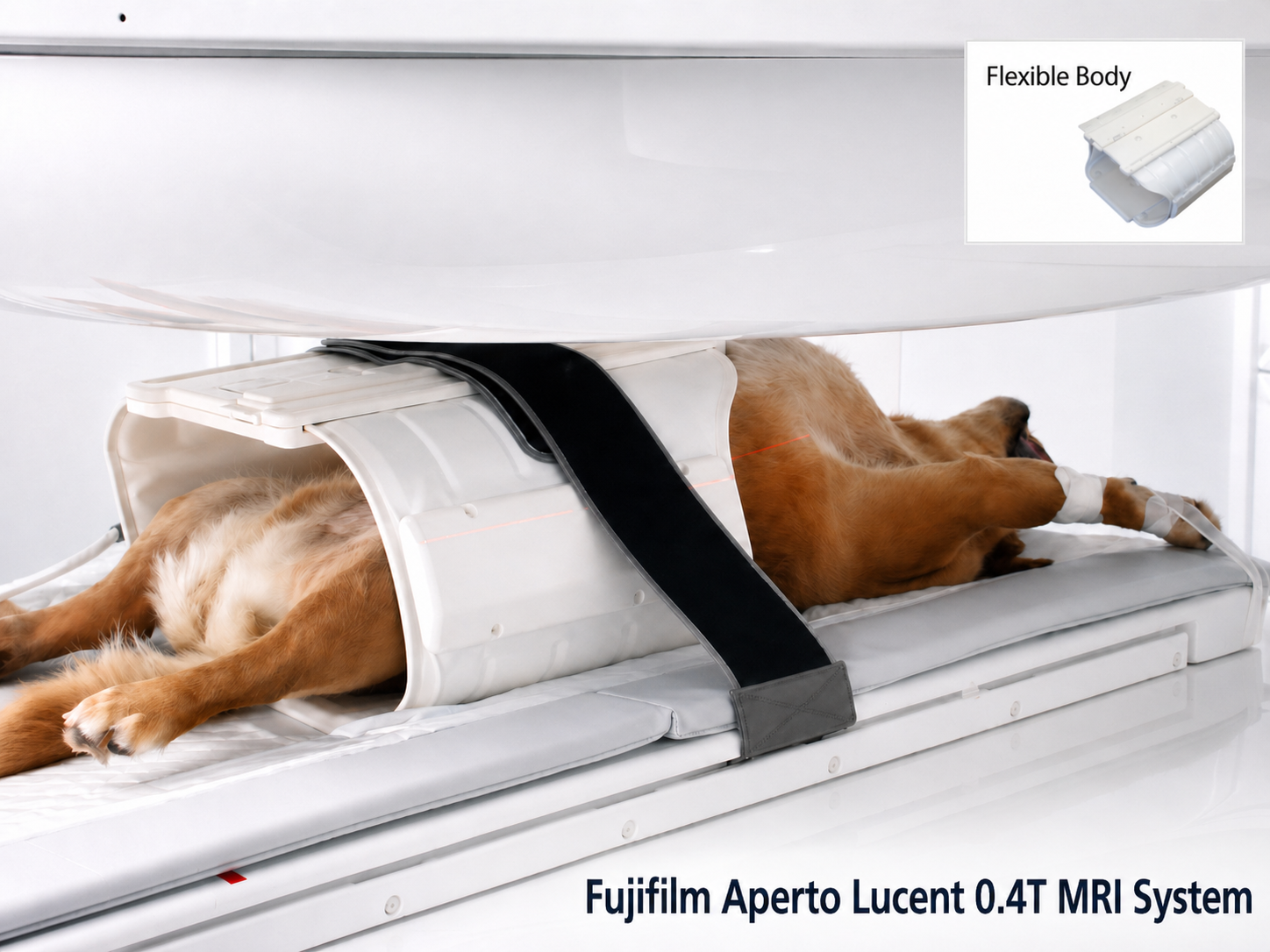
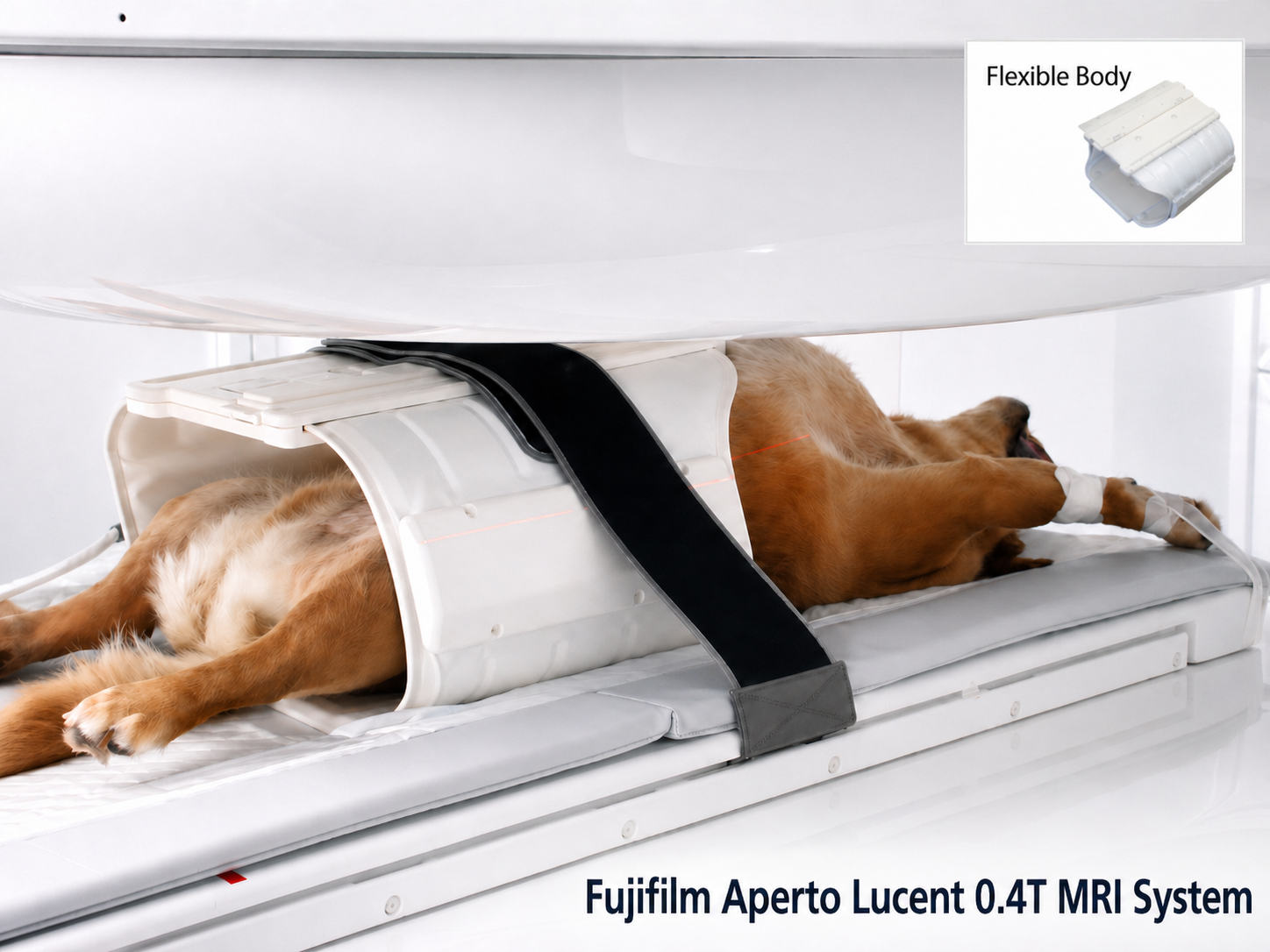
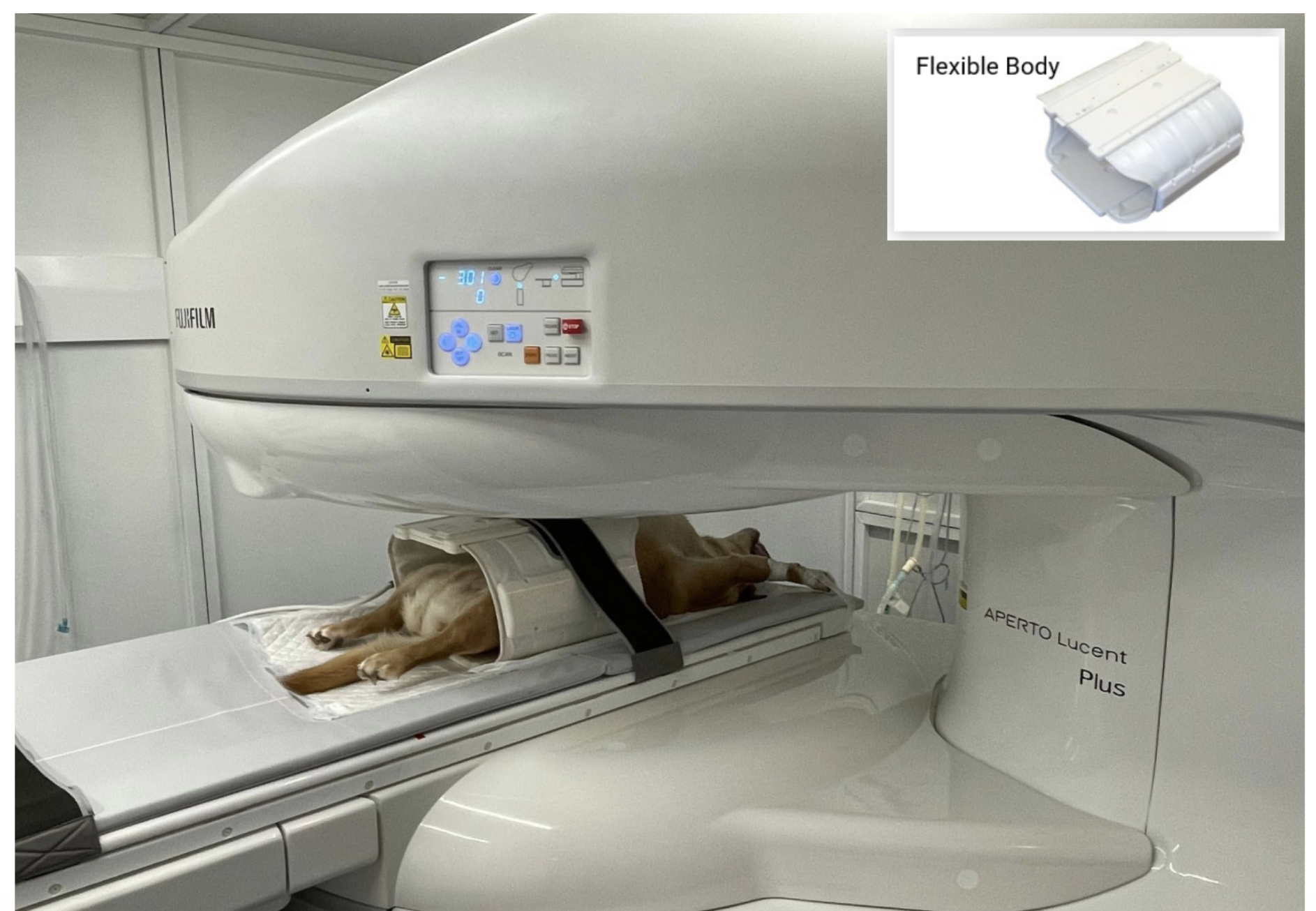
From the outside, an MRI can seem an intimidating operation. In reality, many practices discover that once protocols are established, MRI days become surprisingly structured. Especially using an MRI like theFujifilm Aperto Lucent 0.4T MRI system.
Typically, the workflow looks something like this:
Morning admission and patient assessment
Sedation or anesthesia preparation
MRI safety checks
Positioning and imaging
Recovery and monitoring
Image review and reporting
The key is consistency. The more repeatable your protocols become, the less stressful the process feels for everyone involved. And unlike many areas of veterinary medicine, which can feel unpredictable by nature, MRI often rewards preparation and routine.
Team Roles Matter
MRI is one of the clearest examples of how veterinary medicine truly functions as a team effort. A smooth imaging day depends on multiple moving pieces working together:
Veterinarians selecting appropriate cases
Technicians managing anesthesia and positioning
Assistants supporting patient handling and workflow
Client care teams coordinating communication and scheduling
Every role impacts efficiency. And interestingly, many hospitals find MRI creates opportunities for team growth:
Technicians developing advanced anesthesia skills
Staff are becoming more confident with neurology cases
Improved collaboration between departments
For some teams, adding MRI becomes more than a service expansion—it becomes a professional development opportunity across the hospital.
Positioning and Preparation Can Make or Break the Scan
One thing that practitioners learn quickly is that MRI quality doesn’t depend solely on the machine itself. Patient preparation matters. Good positioning:
Improves image consistency
Reduces repeat sequences
Shortens anesthesia time
Helps radiologists interpret studies more accurately
And in busy hospitals, efficiency matters. Even small improvements in preparation and workflow can significantly reduce recovery times, improve scheduling, and lower stress levels.
That’s why many successful MRI programs focus heavily on protocol refinement early on.
Report Turnaround: Where Answers Start Taking Shape
For both clients and clinicians, the moment that matters most… when the scan is complete. Now everyone wants answers. Depending on the hospital setup, MRI studies may be:
Reviewed internally by specialists
Sent to teleradiology services
Interpreted collaboratively between teams
Fast, clear reporting can dramatically improve workflow momentum:
Treatment plans move forward faster
Surgical decisions happen sooner
Client communication becomes more confident and direct
And perhaps most importantly, patients spend less time in diagnostic limbo. That’s something both veterinary teams and pet owners deeply appreciate.
The Reality: Workflow Evolves Over Time
No MRI workflow is perfect from day one. There will be adjustments:
Scheduling tweaks
Protocol refinements
Team training moments
Efficiency improvements
That’s normal. The practices that succeed with MRI aren’t necessarily the ones that start with flawless systems; they’re the ones willing to continuously refine the process as their confidence grows.
And over time, what once felt like a major operational leap simply becomes another integrated part of how the hospital delivers care.
MRI ROI Calculator
Total Cases to Pay Off: 0
Weekly Revenue: $0
Monthly Revenue: $0
Yearly Revenue: $0
Time to Pay Off Machine:
0 Years
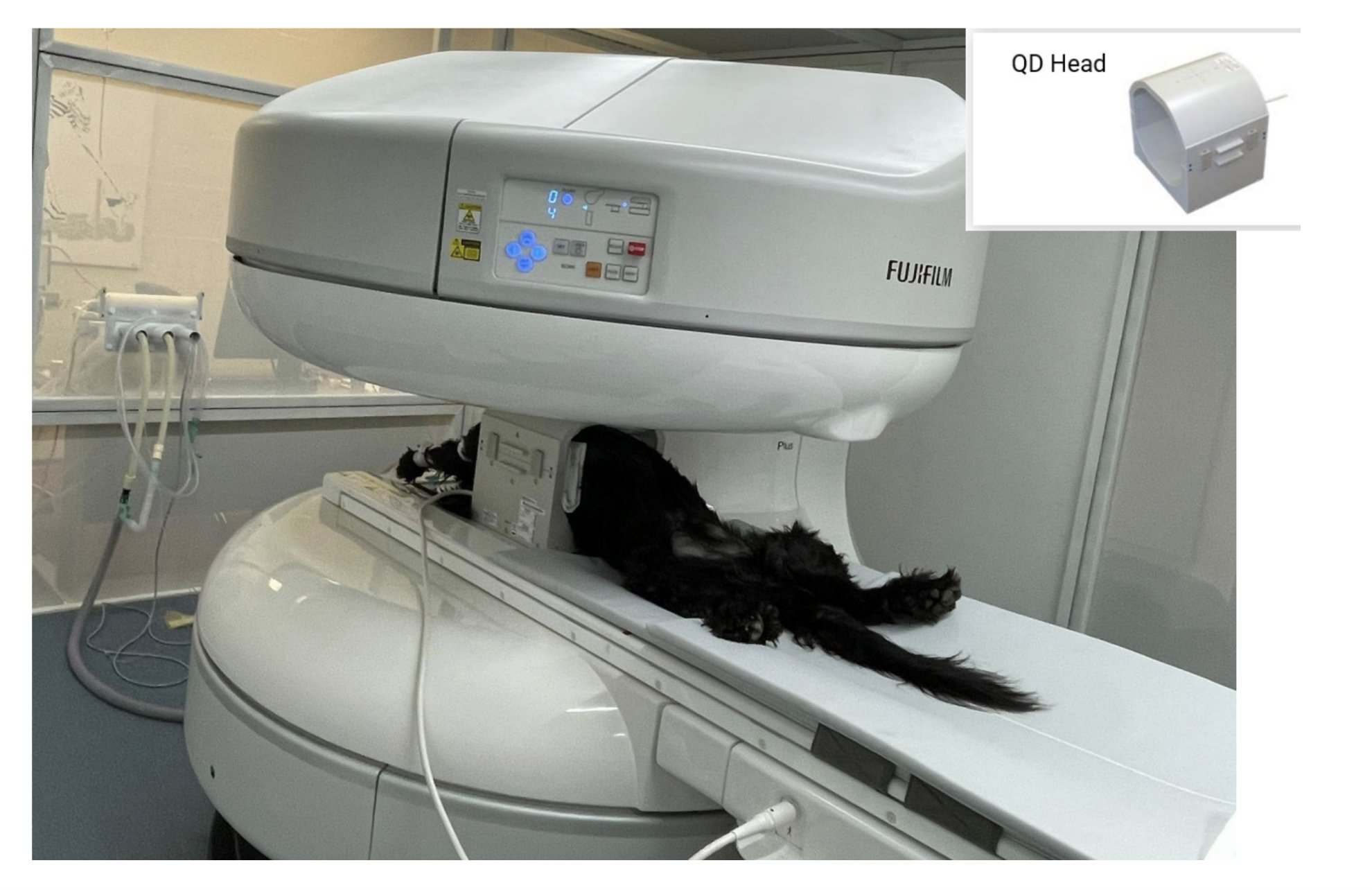
How MRI Improves Client Trust and Case Acceptance
One of the hardest parts of veterinary medicine isn’t always making the diagnosis.
Sometimes, it’s helping clients feel confident enough to move forward with the next step.
You can have the right instincts, the right experience, the right treatment plan, but when a client is scared, overwhelmed, or struggling to fully understand what’s happening with their pet, hesitation naturally follows.
That’s where MRI can change the conversation in a powerful way.
Not because it’s flashy technology or advanced imaging…
But because it brings something clients desperately want during stressful moments: Clarity.
When “We Think” Becomes “We Know”
There’s a big emotional difference between: “We suspect there may be a spinal issue…”
and “Here’s exactly what we’re seeing.”
MRI gives clients something tangible. Instead of trying to visualize a problem through explanations alone, they can often see that something is wrong.
That clarity changes the tone of the conversation almost immediately. Suddenly:
Recommendations feel more concrete
Treatment plans feel more justified
Decisions feel less uncertain
And for many clients, that makes moving forward feel far less intimidating.
Confidence Builds Trust
Clients don’t expect veterinarians to have all the answers instantly. What they’re looking for is confidence that their pet is being guided thoughtfully and thoroughly.
Advanced imaging reinforces that trust.
When you’re able to pursue deeper diagnostics in-house, clients often perceive:
A higher level of medical capability
Greater continuity of care
A more proactive approach to their pet’s health
That doesn’t mean every case needs an MRI - far from it. But when MRI is recommended, it says, “We’re committed to finding answers, not just managing uncertainty.”
MRI Helps Clients Understand the “Why”
One of the biggest barriers to case acceptance isn’t always cost; often, it’s confusion. If clients don’t fully understand why additional diagnostics are needed, what information MRI provides, or how results impact treatment decisions, it becomes much harder for them to say yes.
MRI creates opportunities for clearer education:
Showing a compressed spinal cord
Identifying a brain lesion
Explaining why surgery is, or isn’t, the best option
Those visual conversations are often far more impactful than words alone.
For many clients, seeing the problem helps them emotionally process the seriousness of the situation in a way that verbal explanations sometimes can’t.
Keeping Care Within One Trusted Team
There’s another layer to client trust that often gets overlooked: continuity.
When patients are referred elsewhere for imaging, clients suddenly find themselves:
Retelling their story
Meeting a new medical team
Navigating an unfamiliar hospital
Waiting for communication between providers
Even when referral relationships are excellent, the experience can still feel fragmented from the client’s perspective. Offering MRI within your own hospital can create a much more connected experience:
Familiar faces
Consistent communication
One team guiding the case from start to finish
That continuity builds reassurance during what’s often a stressful and emotional time.
Better Understanding Often Leads to Better Compliance
When clients clearly understand a diagnosis, they’re more likely to follow through with treatment recommendations. That can mean:
Moving forward with surgery sooner
Committing to rehabilitation plans
Understanding realistic prognoses
Staying engaged in long-term management
MRI doesn’t just influence the initial decision; it can improve compliance throughout the entire treatment journey. And ultimately, better compliance often leads to better patient outcomes.
The Emotional Value of Answers
Anyone who’s worked in veterinary medicine long enough has seen it:
Sometimes the hardest part for clients is not knowing.
The uncertainty. The waiting. The fear of making the wrong choice.
MRI can’t fix every diagnosis. It can’t guarantee every outcome, but it can provide direction.
And even when the news isn’t ideal, many clients feel relief simply having clearer answers and a defined plan moving forward.
That emotional value is easy to underestimate, but incredibly important.
Technology Matters. Communication Matters More.
At the end of the day, MRI itself doesn’t create trust; people do.
The technology supports stronger conversations:
More confident recommendations
Better client education
Clearer expectations
More informed decision-making
When used thoughtfully, MRI becomes more than an imaging tool. It becomes a bridge between medical knowledge and client understanding.
And in a profession built on relationships, that connection matters just as much as the images themselves.
Choosing the Right Veterinary MRI: A Practical Guide for Real-World Decision Making
If you read thelast article and found yourself thinking, “Okay… MRI might actually make sense for us,” the next question is usually where things get a little murky:
“Which system do we even choose?”
This is where many practices get stuck: there’s so much information, and not all of it feels relevant to your day-to-day.
So instead of diving into spec sheets and technical jargon, let’s simplify this.
There are three key players you’ll see again and again in the veterinary MRI space:Fujifilm, Esaote, and Hallmarq Veterinary Imaging.
Each brings something different to the table, and the “right” choice has a lot less to do with which system is best and a lot more to do with which system fits your practice.
Let’s walk through the differences in a way that actually helps you decide.
1. Workflow: How Will This Fit Into Your Day?
This is one of the most overlooked (and most important) factors.
Some MRI systems are built for high-volume, fast-paced environments where efficiency is everything. Others are designed with simplicity and accessibility in mind.
Systems from Hallmarq Veterinary Imaging are often praised for their workflow-friendly design. They’re designed specifically for veterinary use, which shows up in intuitive interfaces and streamlined protocols.
Esaote systems also lean into ease of use, especially with low-field MRI. Many practices appreciate the shorter learning curve and smoother integration into general practice workflows.
Fujifilm tends to bring a more advanced imaging environment, often with greater customization and capability.
2. Footprint & Installation: What Does This Actually Look Like in Your Hospital?
MRI isn’t just a piece of equipment; it’s an infrastructure decision.
This is where real-world constraints come into play:
Available square footage
Structural considerations
Power requirements
Shielding and site prep
Esaote is known for its compact systems, which are a good fit for general practices or smaller specialty hospitals.
Hallmarq Veterinary Imaging also offers purpose-built veterinary systems, often designed to fit into existing clinical spaces compared to traditional human MRI units.
Fujifilm Healthcare systems are known for their robust infrastructure and high performance.
Before you fall in love with any system, make sure it realistically fits your space, your buildout timeline, and your tolerance for construction.
3. Image Quality vs. Throughput: What Do You Actually Need?
This is where conversations can get… a little heated. High-field vs. low-field. Resolution vs. speed. Detail vs. practicality. Here’s the grounded version:
Fujifilm Healthcare systems are often associated with higher field strengths and advanced imaging capabilities, which can deliver exceptional detail—especially valuable for complex neurological cases.
Esaote focuses heavily on low-field MRI, which is more than capable for many common veterinary applications.
Hallmarq Veterinary Imaging offers systems designed to balance usefulness with practical workflow, particularly in veterinary-specific applications.
But here’s the key question to ask:
Are you optimizing for the most advanced image possible, or the most usable system for your caseload?
Because those aren’t always the same thing.
4. Service & Support: What Happens After Installation?
This is the part no one gets excited about, until something goes wrong.
MRI uptime matters. Delays cost money, disrupt schedules, and create stress for your team.
Hallmarq Veterinary Imaging has a sound reputation for its support and repair services.
Esaote provides accessible support and training, particularly helpful for practices newer to MRI.
Fujifilm Healthcare benefits from the backing of a large, global imaging company, which can translate into robust service networks and advanced technical resources.
The takeaway: Don’t just ask if service is available, ask:
How fast is the response time?
What does training look like?
Who do we call when something feels “off”?
So… How Do You Choose?
At the end of the day, this isn’t about picking the “best” MRI system.
It’s about choosing the one that aligns with:
Your caseload
Your team’s experience
Your physical space
Your growth goals
A system that looks incredible on paper but slows down your workflow or overwhelms your team isn’t a win. On the flip side, a system that fits seamlessly into your day, even if it’s not the most “advanced” option available, can completely transform how you practice.
Is MRI Worth It for Your Practice? A Real-World Discussion
If you’ve ever found yourself sending a case out for advanced imaging and thinking,
“I wish we could keep this in-house.”
You’re not alone.
For many veterinary practices, MRI sits in that category of “maybe someday.” It feels like a big leap, financially, operationally, and even mentally. But the conversation around MRI has shifted more recently. It’s no longer just for large specialty centers. More general and hybrid practices are starting to ask a very practical question:
Does this actually make sense for my hospital?
Let’s break that down in a way that feels real.
It’s Not Just the Cost, It’s the Cases You’re Losing
When most practices evaluate MRI, the first number they look at is the price tag. That’s fair. But focusing only on upfront cost can miss the bigger picture.
Think about the cases you’re already seeing:
The down dog with suspected IVDD
The seizure workup that needs answers
The chronic lameness case that just isn’t adding up
Right now, what happens to those patients?
They get referred out.
And when they leave, a few things often go with them:
Diagnostic revenue
Treatment plans
Follow-up care
Long-term client loyalty
Not every referral is lost forever, but many don’t come back in the same way. MRI changes that dynamic. It allows you to keep the case, guide the course of care, and remain at the center of the patient’s care.
Revenue Per Scan Adds Up Faster Than You Think
Let’s keep this easy.
MRI isn’t about running dozens of scans a day. In fact, many successful veterinary practices start with just a handful of cases per week. Even at a conservative pace:
A few scans per week
Consistent demand from neurology and complex cases
Gradual growth as your team gains confidence
That can translate into meaningful, steady revenue, not just from the scan itself, but from everything that follows:
Surgical procedures
Ongoing treatment plans
Rechecks and monitoring
MRI often feeds into the rest of your services.
Referral Retention vs. Referral Dependence
There’s nothing wrong with referring. In many cases, it’s absolutely the right call.
But there’s a difference between strategic referral and default referral.
When MRI isn’t available in-house, even cases you could manage often get sent elsewhere simply because you don’t have the diagnostic clarity to move forward confidently.
Bringing MRI into your practice shifts that balance and you refer when it truly benefits the patient, not just when you’re missing a diagnostic piece
That distinction matters for both patient care and business sustainability.
The Confidence Factor (For You and Your Clients)
There’s also a less tangible, but incredibly important, ROI: confidence.
When you can move from “this is what we think is going on…” to “this is what we’re seeing and here’s the plan…”
…it changes everything.
Clients feel it, and decision-making becomes clearer and faster.
That level of clarity often leads to:
Higher case acceptance
Stronger trust
Better compliance with treatment plans
MRI provides answers, and we all know how powerful clear answers can be.
Growth Doesn’t Have to Mean Overwhelm
One of the biggest hesitations around MRI is the fear of disruption:
Will this slow us down?
Can our team handle it?
Is this going to complicate our workflow?
Those are certainly valid concerns, but they’re also manageable. Many practices gradually integrate MRI, starting with select case types, building protocols over time, and training the team in phases.
It doesn’t have to be an overnight transformation. In fact, the most successful implementations rarely are.
So… Is It Worth It?
The honest answer is: it depends on your goals. But if your practice is:
Seeing a steady stream of complex cases
Looking to retain more advanced diagnostics
Wanting greater control over patient outcomes
Focused on long-term growth rather than short-term volume
…then MRI becomes less of a “nice to have” and more of a strategic next step.
MRI ROI Calculator
Total Cases to Pay Off: 0
Weekly Revenue: $0
Monthly Revenue: $0
Yearly Revenue: $0
Time to Pay Off Machine:
0 Years