
90 Facebook Post Prompts
Create Facebook posts the easy way - using AI
How to Use the Prompts
1. Customize the bracketed sections.
Replace the bracketed text with your specific business details. Delete any sections you do not need.
You can also modify the master prompt to fit your needs, then save it as a Word document or note so you can use it again and again.
2. Paste your tip at the end of the master prompt.
You do not need to be an AI expert to use this. Understanding the basics will help, and the more you practice, the better your results will become.
Remember: The prompt is the key. If the first result isn't exactly what you want, adjust the prompt and provide clearer instructions. The more helpful detail you provide, the better the final image will be.
Here is the Master Prompt
“Create an image with these strict instructions. Act as a professional proofreader with a meticulous eye for detail. Review all text for spelling and typos. Double-check every word before finalizing the output. Keep the layout simple and avoid any extra commentary.
1. Visual Specifications
Dimensions: 1080 x 1350 pixels (Facebook Portrait).
Aesthetic: Warm, professional, and visually engaging to encourage veterinary services.
Art Style: Use high-quality, shareable cartoon illustrations. A “few” paw prints, here or there. Warm colors. Cartoon style. The final result should feel adorable, colorful, playful, innocent, and happy.
Dont put text too close to the edges.
Subject: Cartoon style - a happy, healthy dog, cat, or both. The art must directly relate to the specific care tips provided.
Setting Instructions:
[For the background, use a pleasant-looking veterinary exam room.
Delete this line if the post is for a mobile veterinary service.]
[For mobile veterinary service posts, show a mobile veterinary truck in the background. Delete this line if the post is not for a mobile veterinary service.]
[Doctor Image Option:
See the uploaded photo of [Name of Doctor]. Create a cartoon illustration based on the attached photo.
Delete this line if you are not using a doctor's photo.]
[No Doctor Image:
Do not include a cartoon doctor in the post.
Keep this line if you are NOT using a doctor's photo. DELETE IF YOU ARE USING A DOCTOR’S PICTURE.]
2. Text Overlays
Header: Create a concise, attention-grabbing title based on the topic.
The Checklist: Provide a short, 3-step checklist of actionable tips based on the content provided.
Don’t make the font text too small to read. Easy to scan and read.
3. Branding & Footer (Mandatory)
[Logo: Place the logo in the bottom-right corner. It should be small but clearly readable. DONT CHANGE THE STYLE OF THE LOGO. (Note: Delete this if no logo is provided.]
Make the Footer Text easy to read:
[Name of Hospital]
[Phone Number]
[Name of Doctor]
[Hospital Address]
Specific Topic for this Post:
[PASTE YOUR CHOSEN TIP FROM THE LIST HERE]”
The “tips” prompt is what you put under the Master prompt. It takes both together.
…Also see the Holiday prompts (at the end) to announce your holiday hours
(copy tip prompt and add at the end of the MASTER prompt)
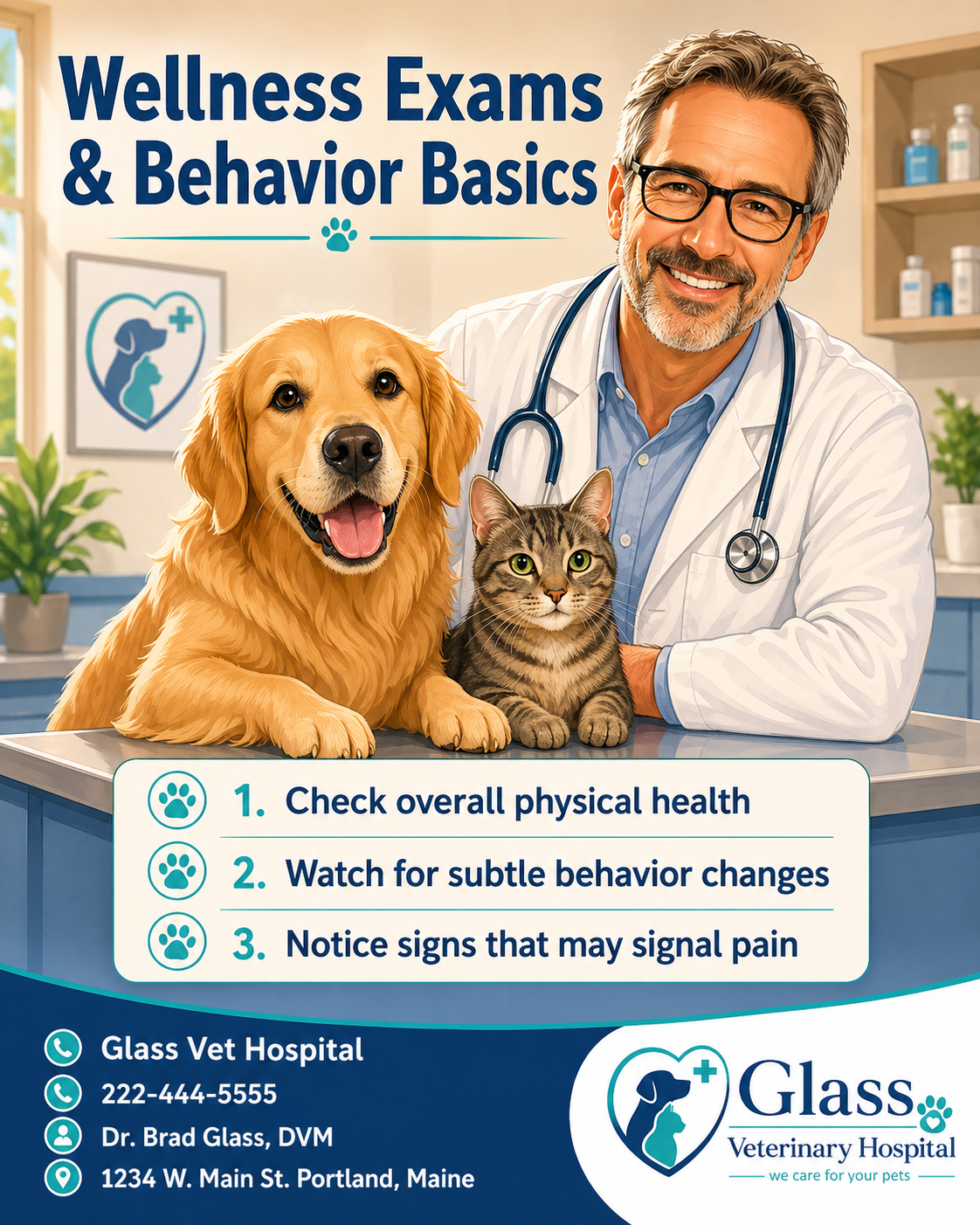
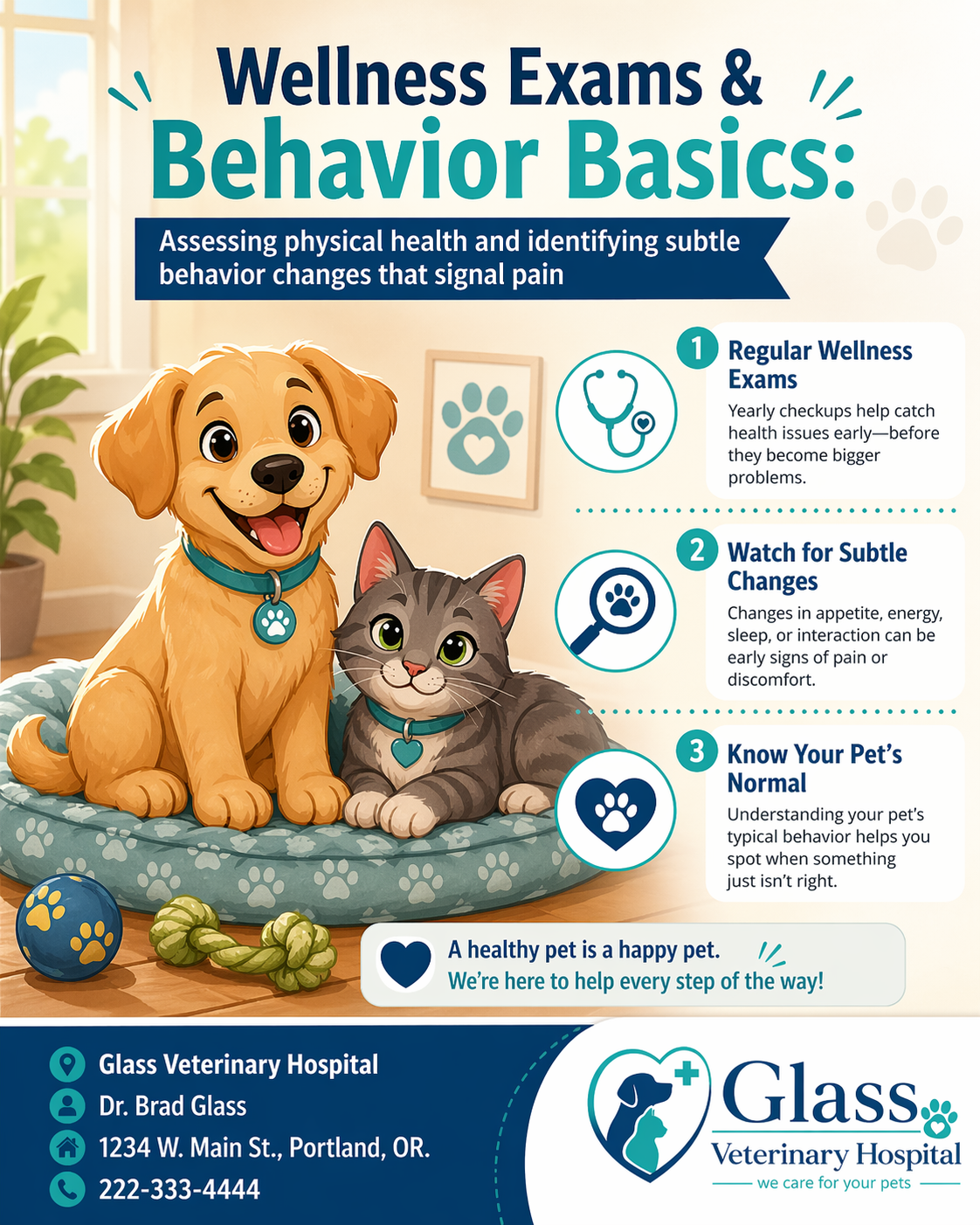
1. Wellness Exams & Behavior Basics: Assessing physical health and identifying subtle behavior changes that signal pain.
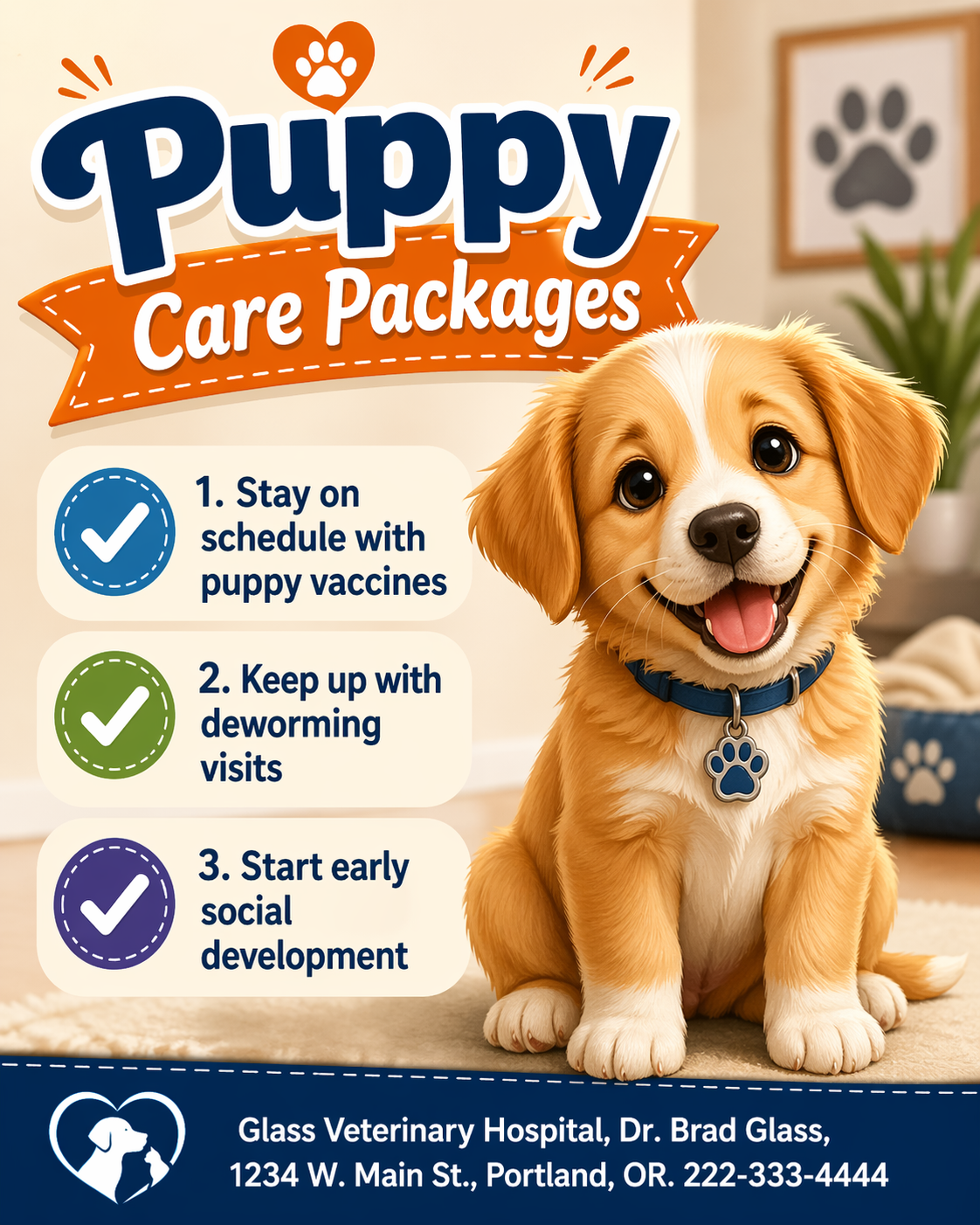
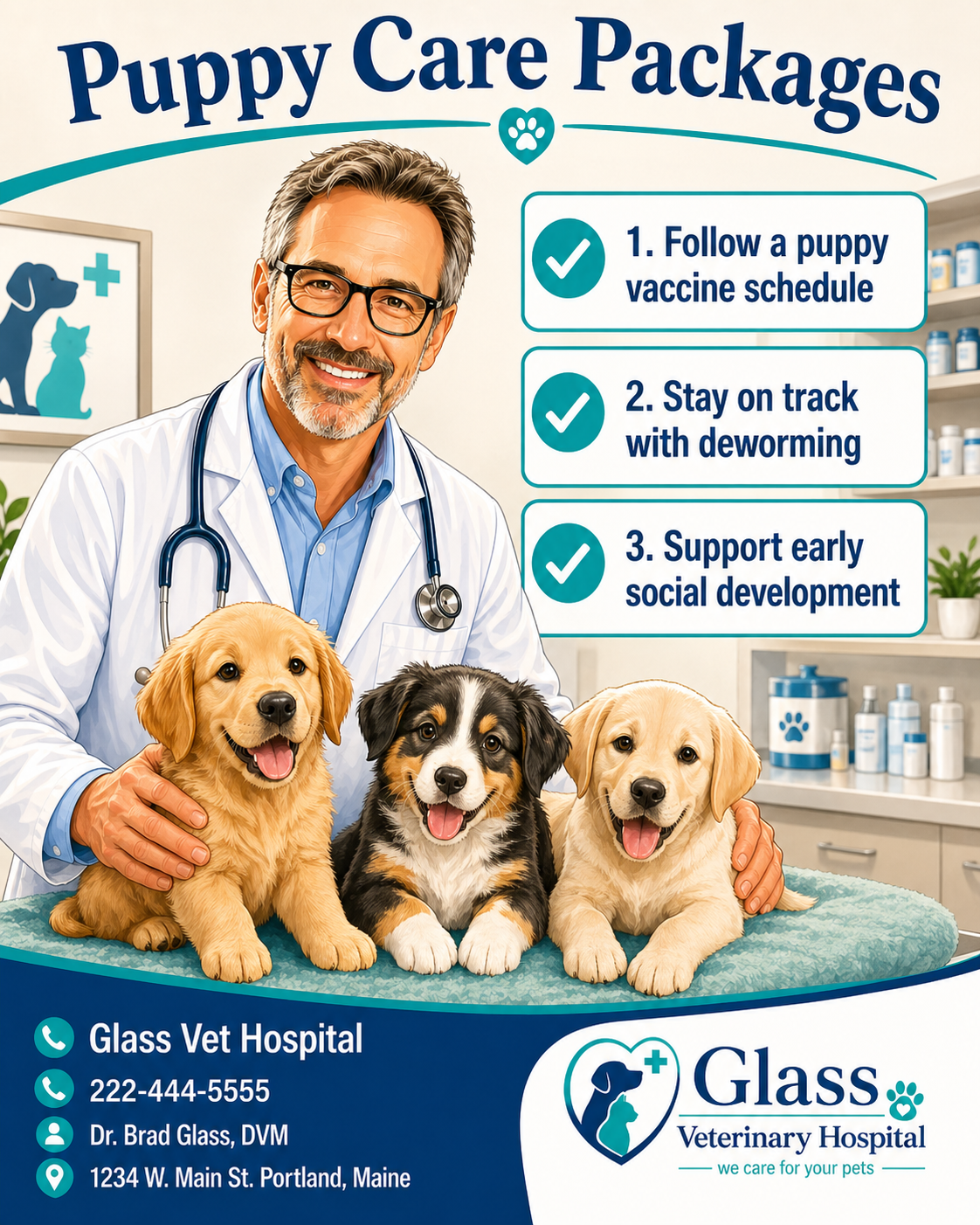
2. Puppy Care Packages: A roadmap for vaccines, deworming, and early social development. (use only dogs)
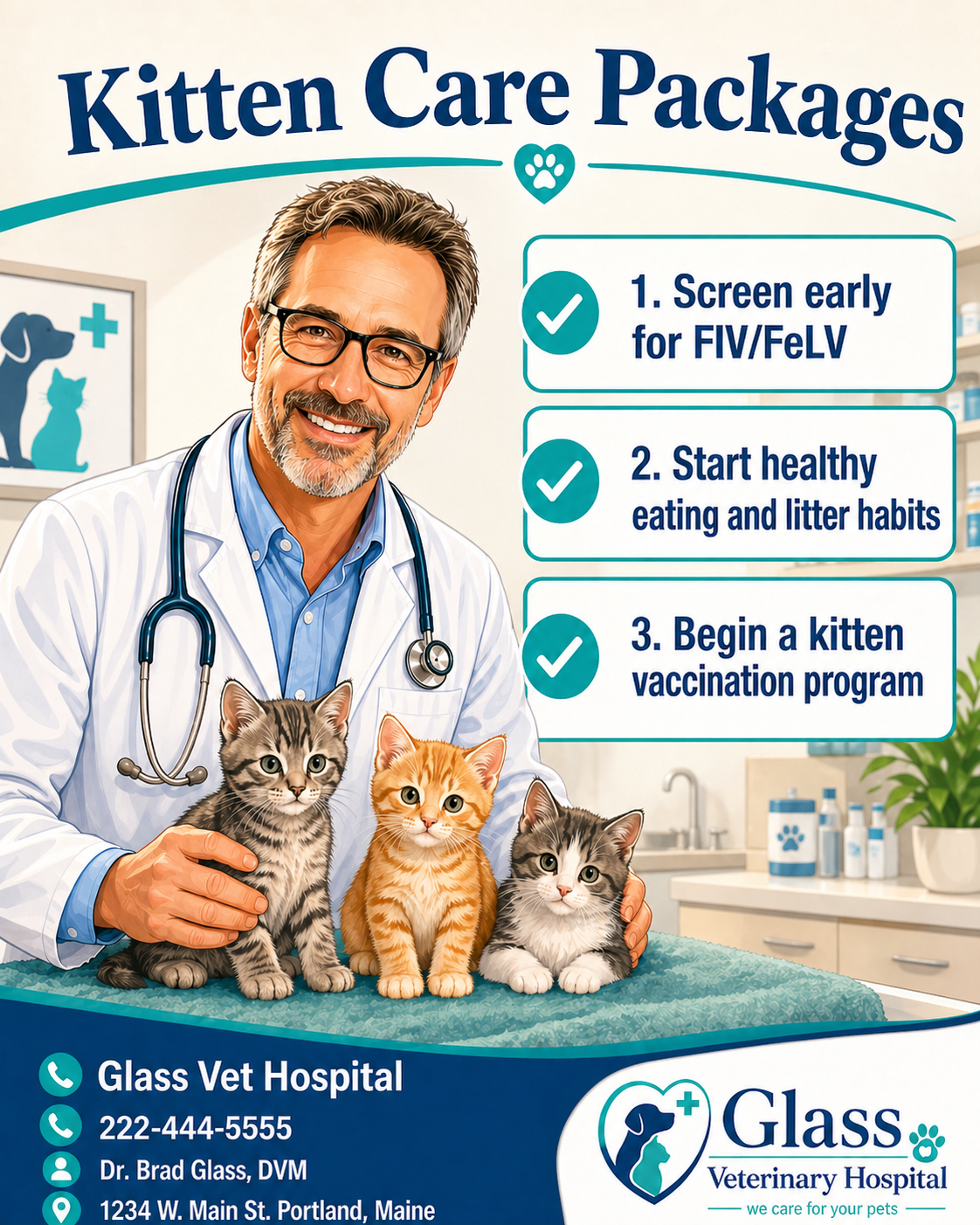
3. Kitten Care Packages: Essential screenings for FIV/FeLV, establishing healthy habits early, and a vaccination program. (use only cats)
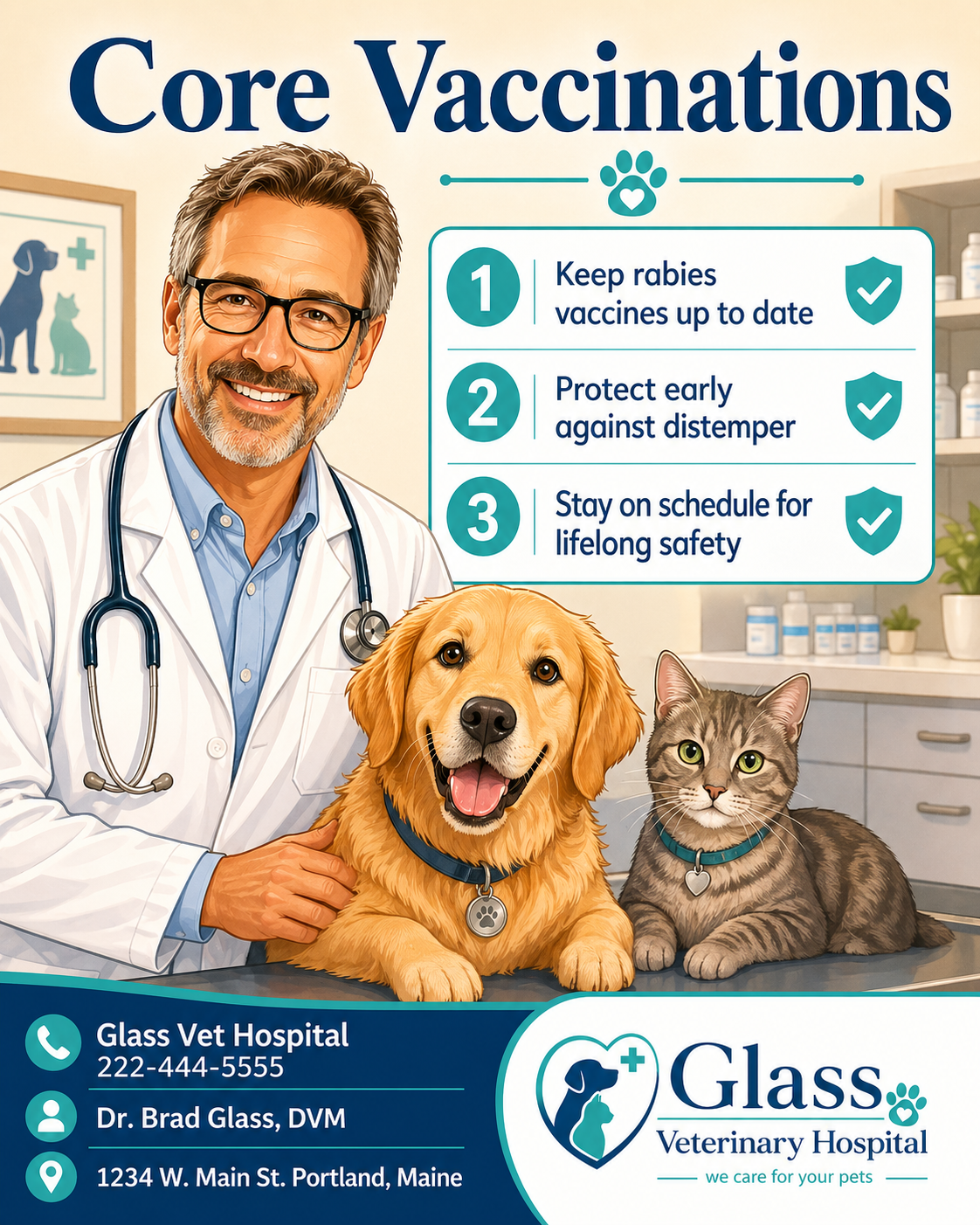
4. Core Vaccinations: Why Rabies and Distemper are non-negotiable for every pet’s safety.
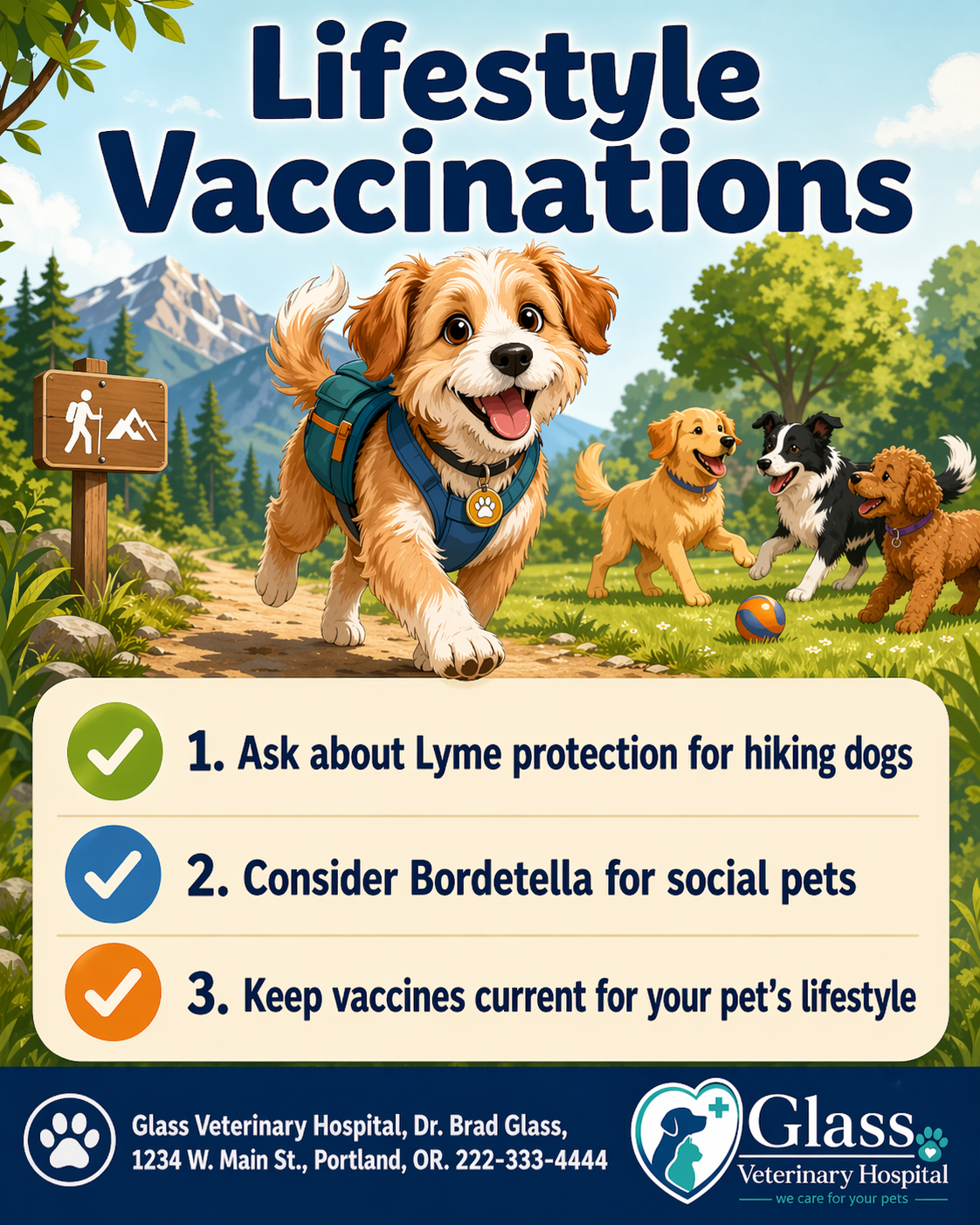
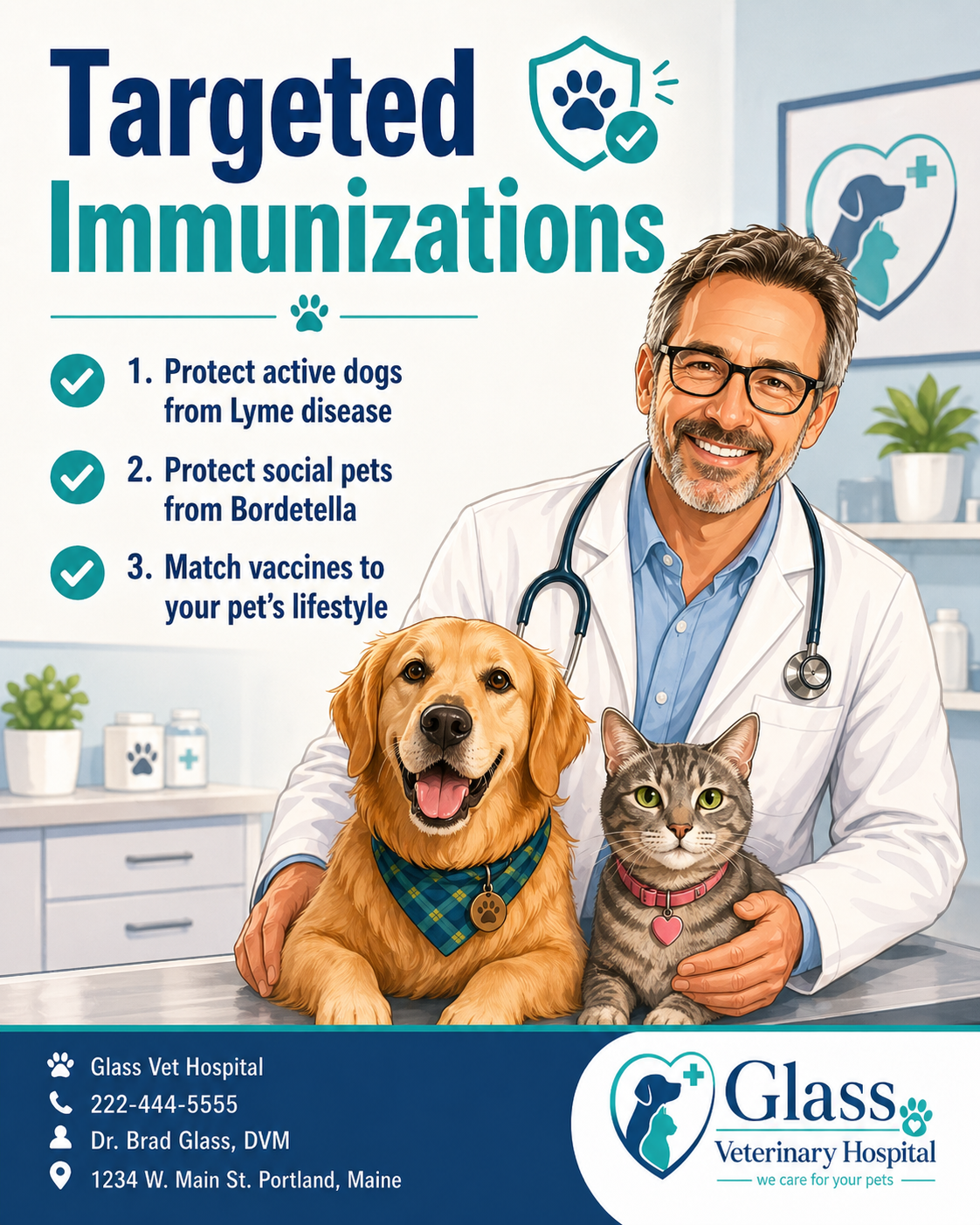
5. Targeted Immunizations: Protecting high-activity dogs from Lyme disease and social pets from Bordetella. (use a different breed, including mutts)
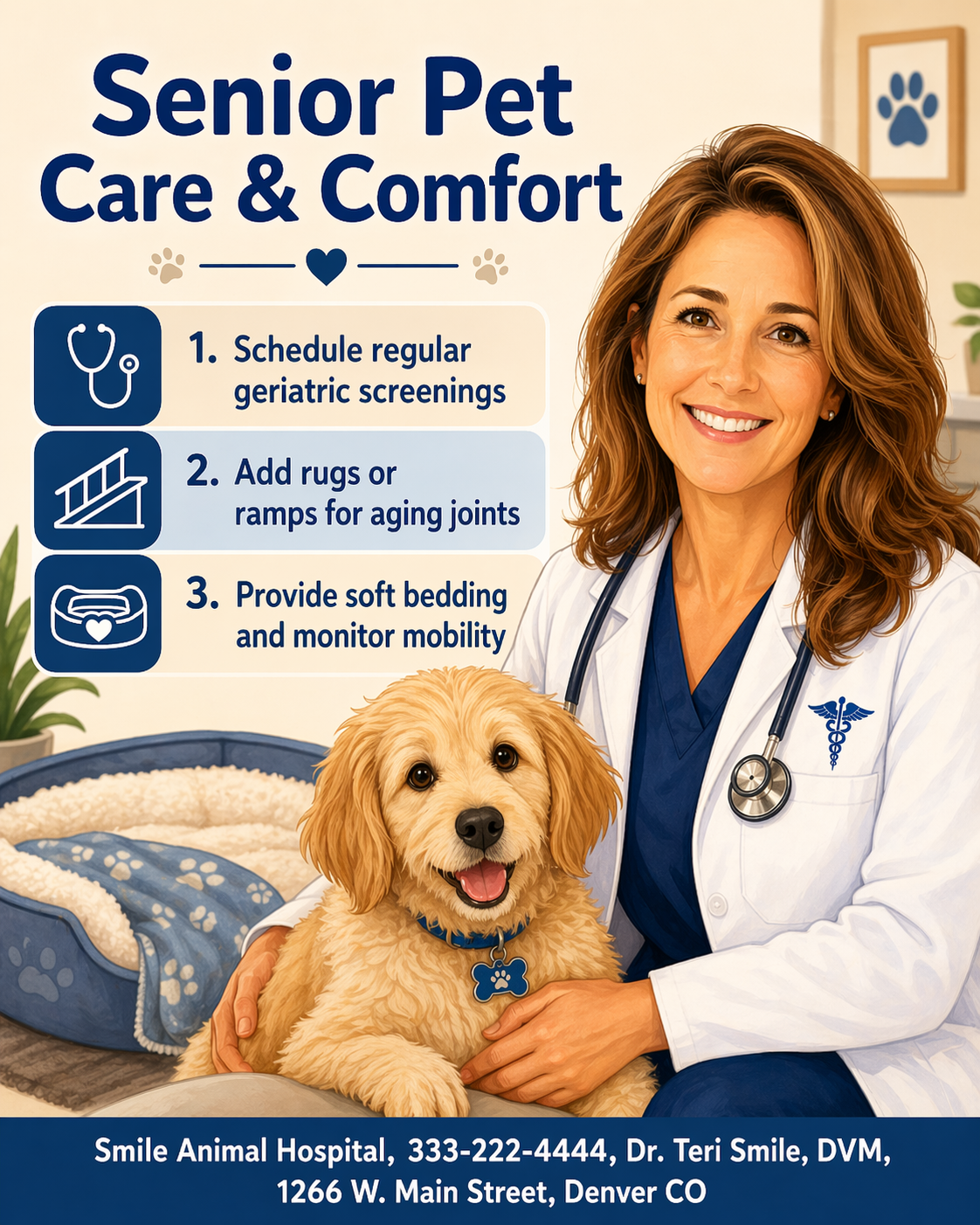
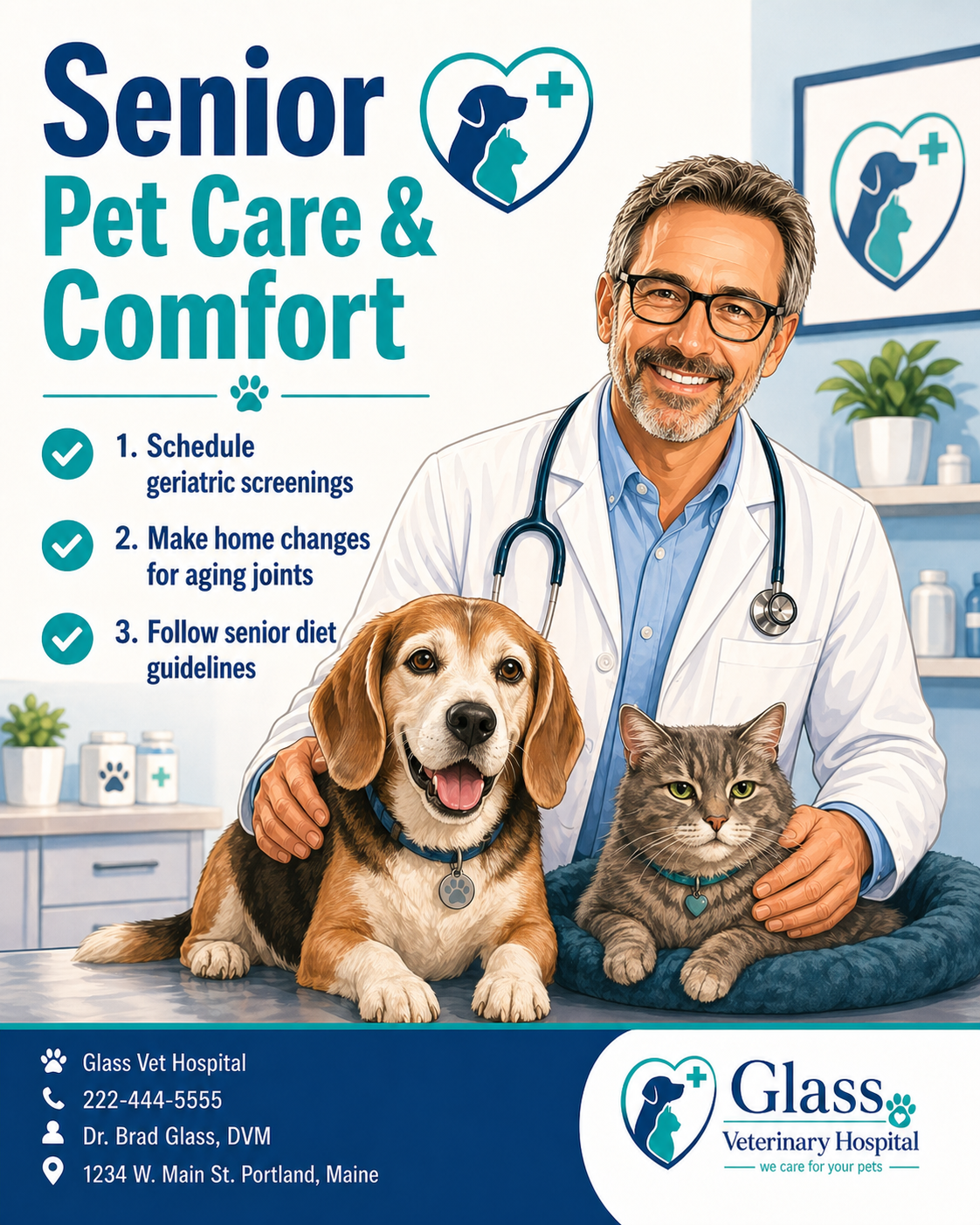
6. Senior Pet Care & Comfort: Geriatric screenings paired with home adjustments for aging joints and specific diet guidelines.
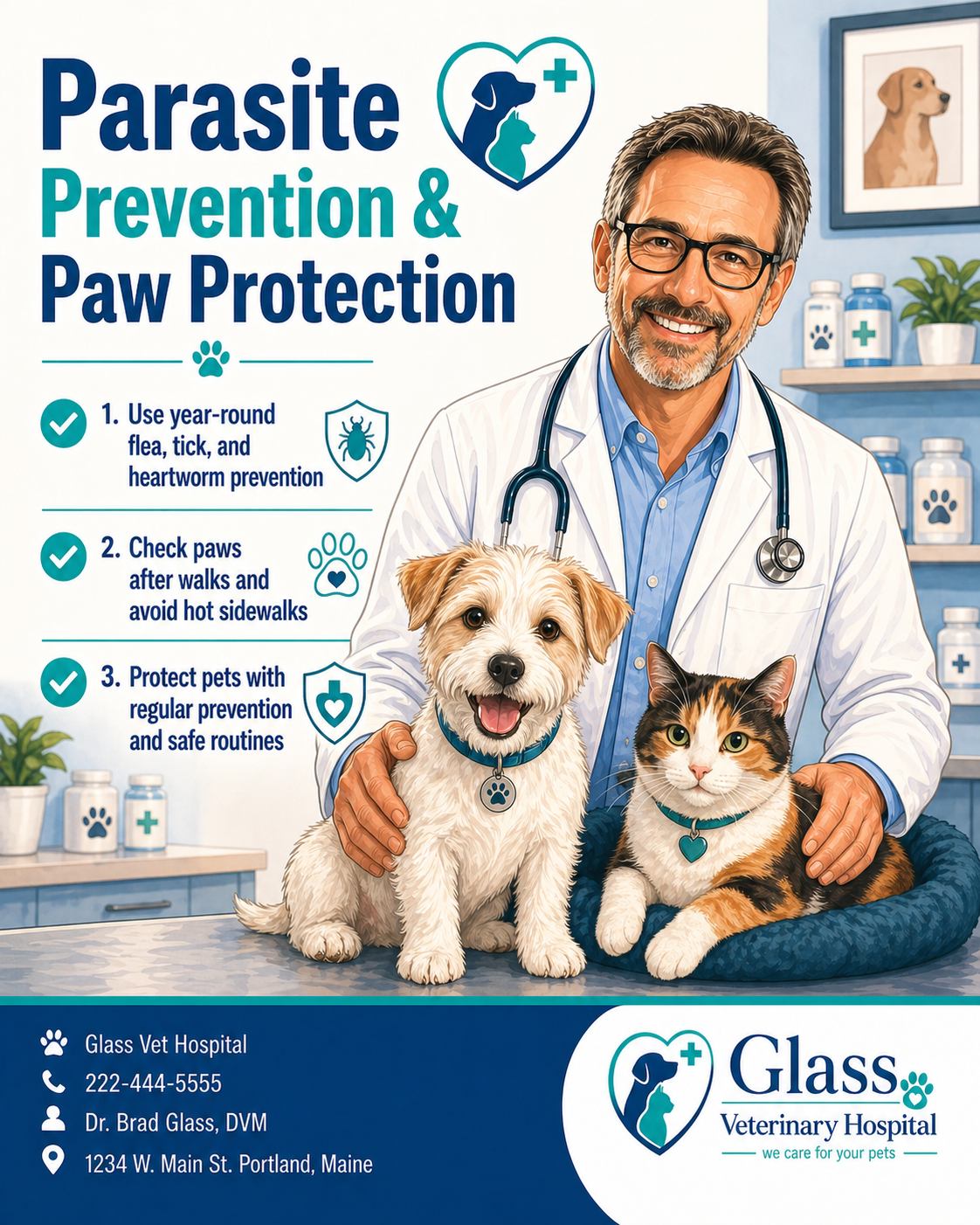
7. Parasite Prevention & Paw Protection: Year-round flea, tick, and heartworm protocols and sidewalk safety.
8. Microchip Magic: Why a chip is only as good as the phone number registered to it.
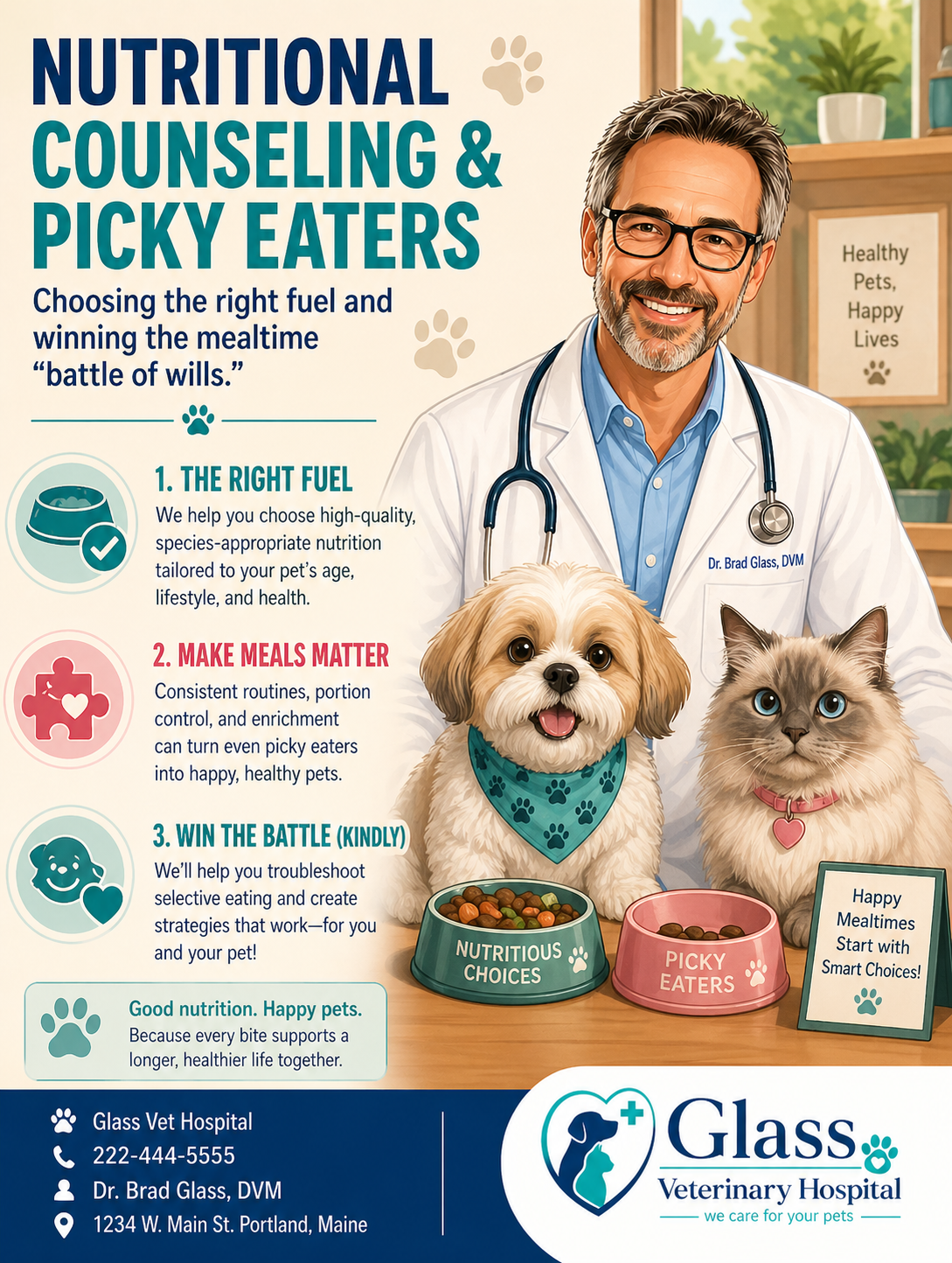
9. Nutritional Counseling & Picky Eaters: Choosing the right fuel and winning the mealtime "battle of wills."
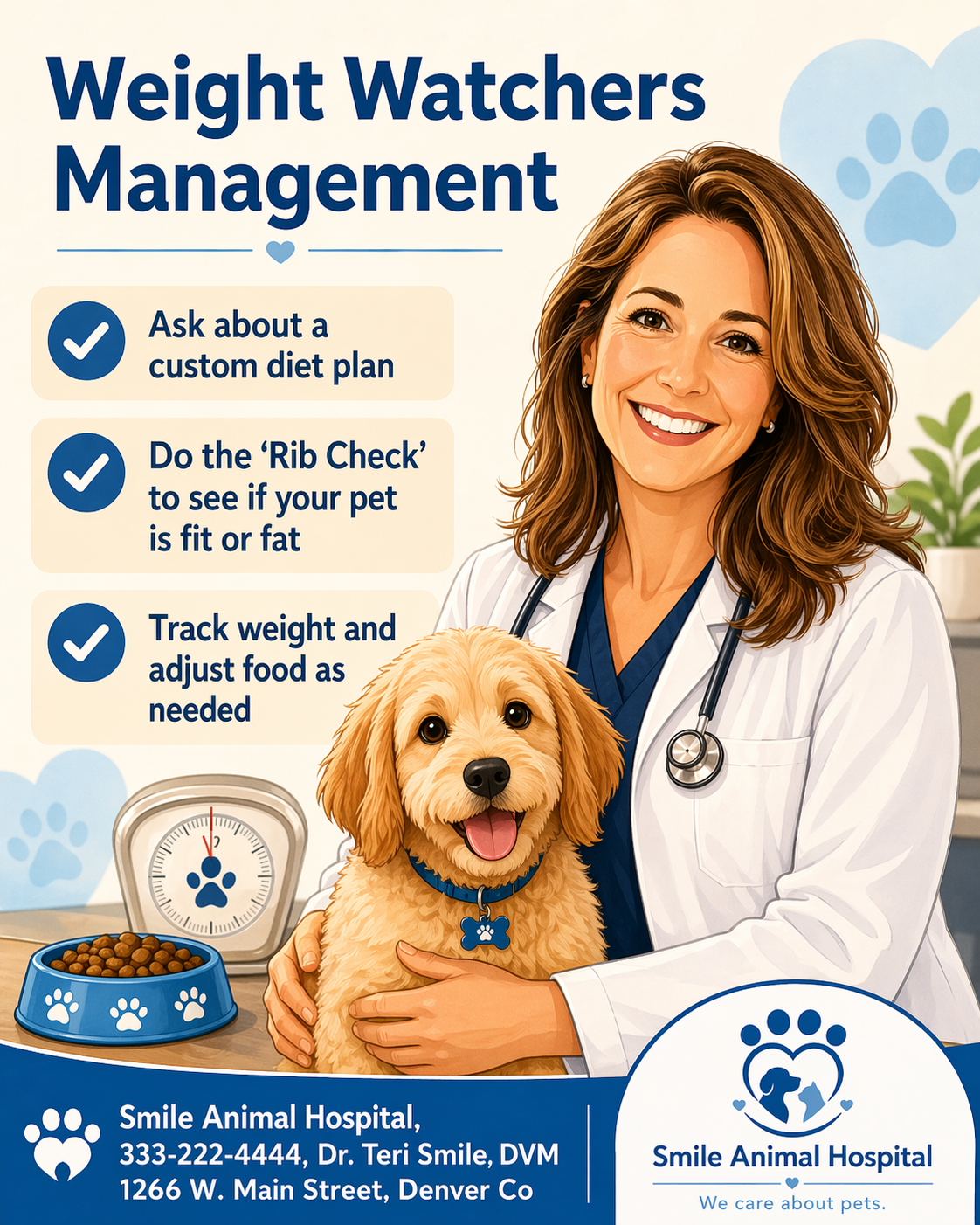
10. Weight Watchers Management: Custom diet plans and the "Rib Check" to see if your pet is fit or fat. (use a different breed, including mutts)
11. Anxiety-Free Behavioral Consultations: Tips and techniques to lower stress during vet visits and thunderstorms.
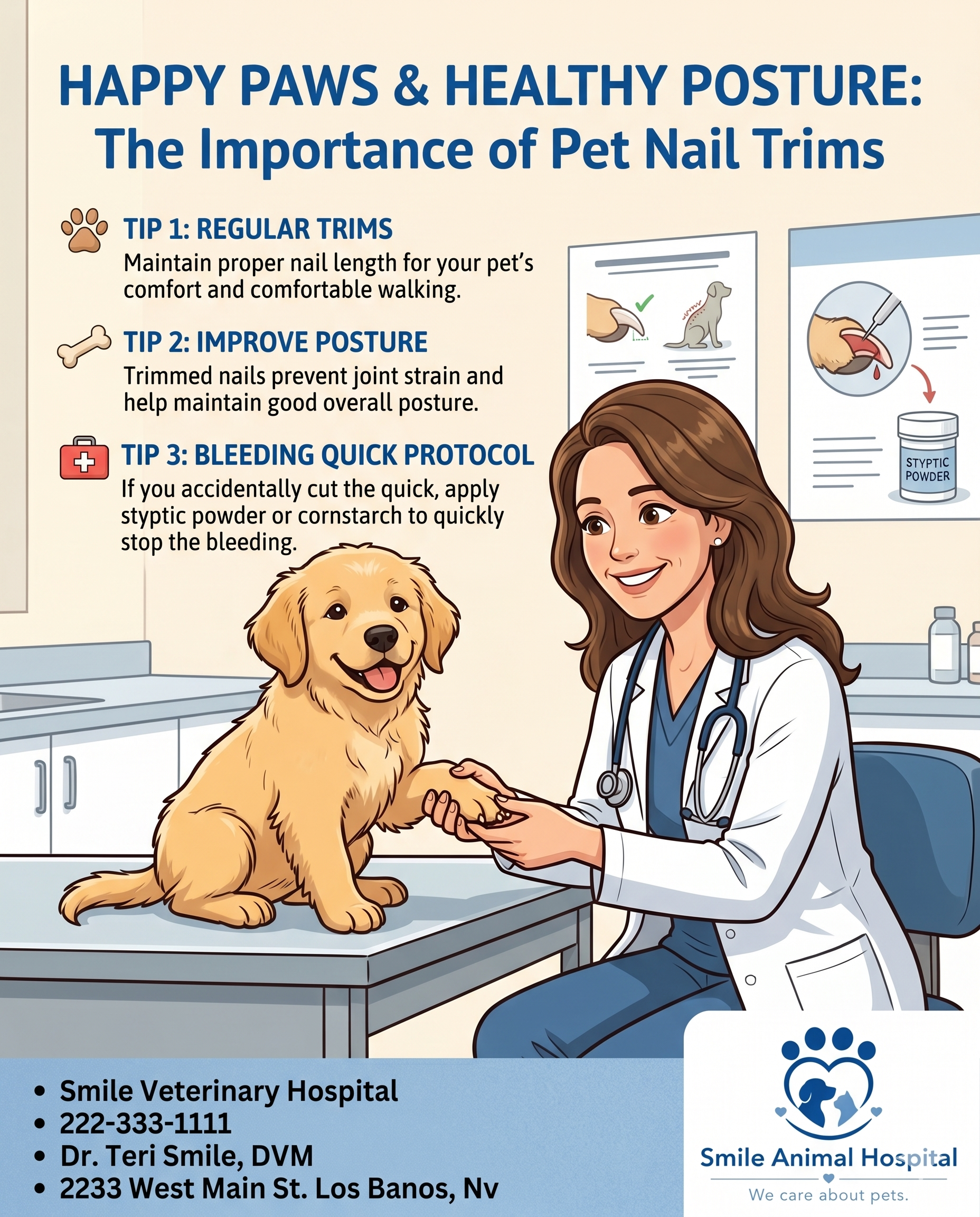
12. Health Impact of Nails: Proper nail length affects posture and comfort; includes the protocol for managing a bleeding quick.
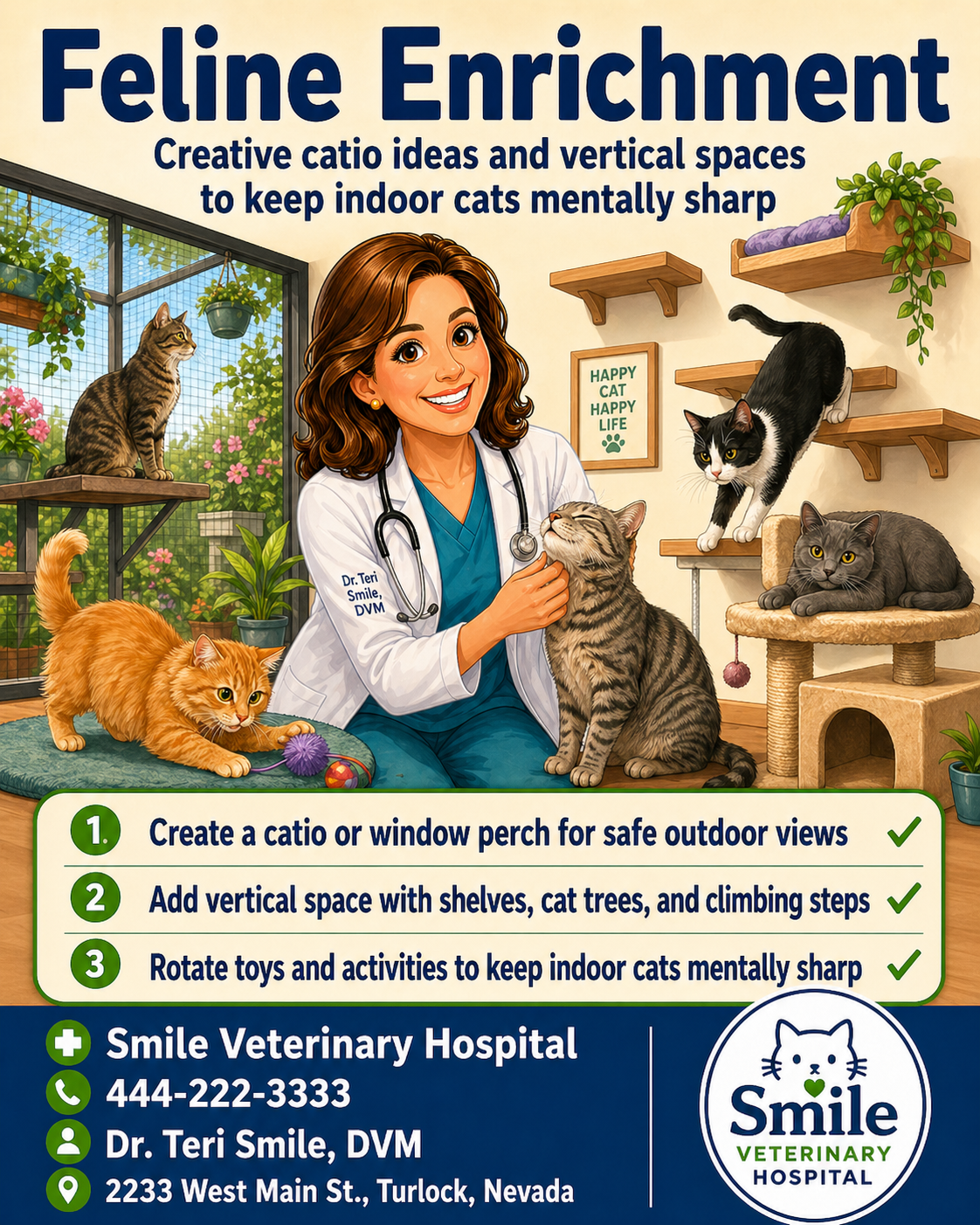
13. Feline Enrichment: Creative "catio" ideas and vertical spaces to keep indoor cats mentally sharp. (use only cats)
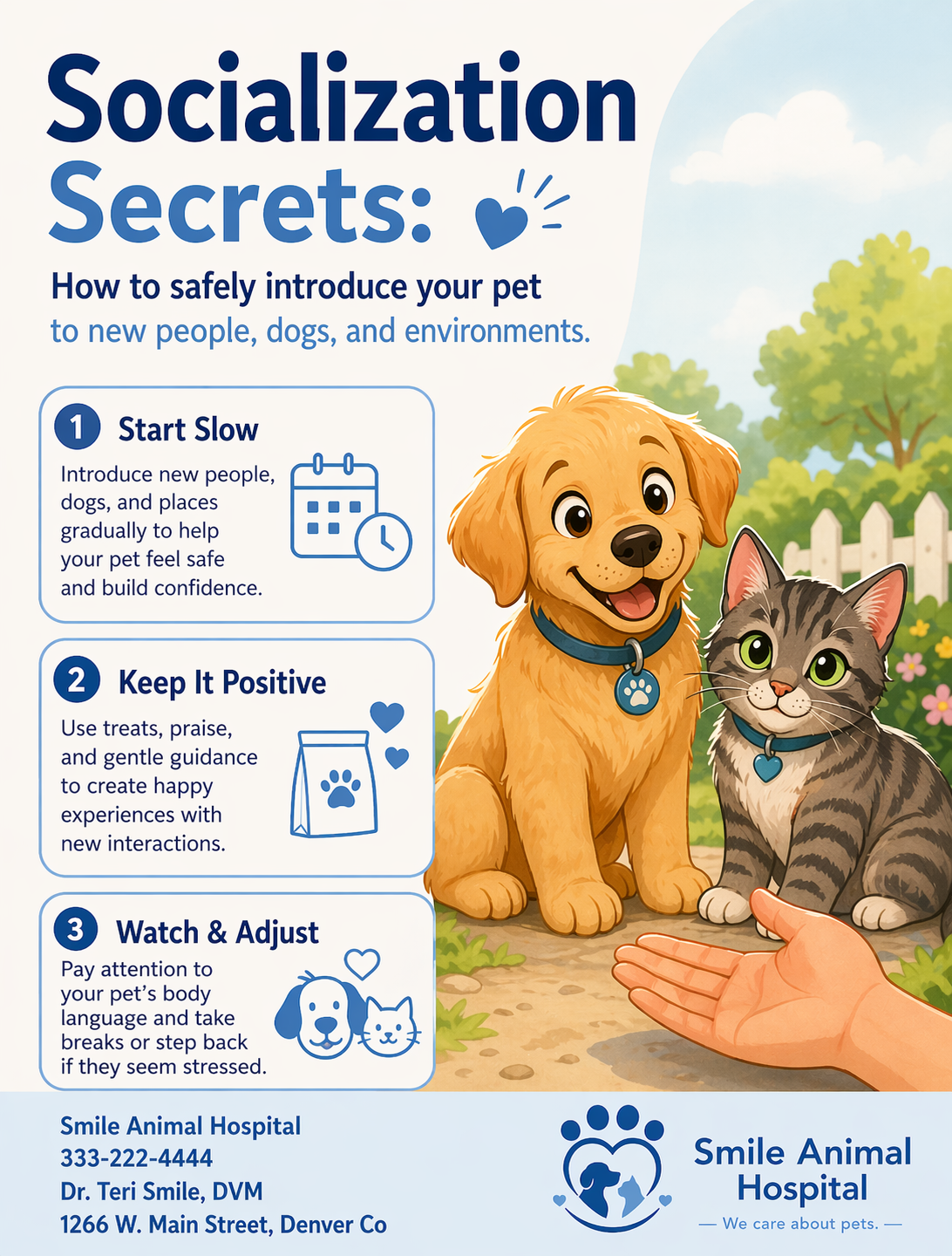
14. Socialization Secrets: How to safely introduce your pet to new people, dogs, and environments.
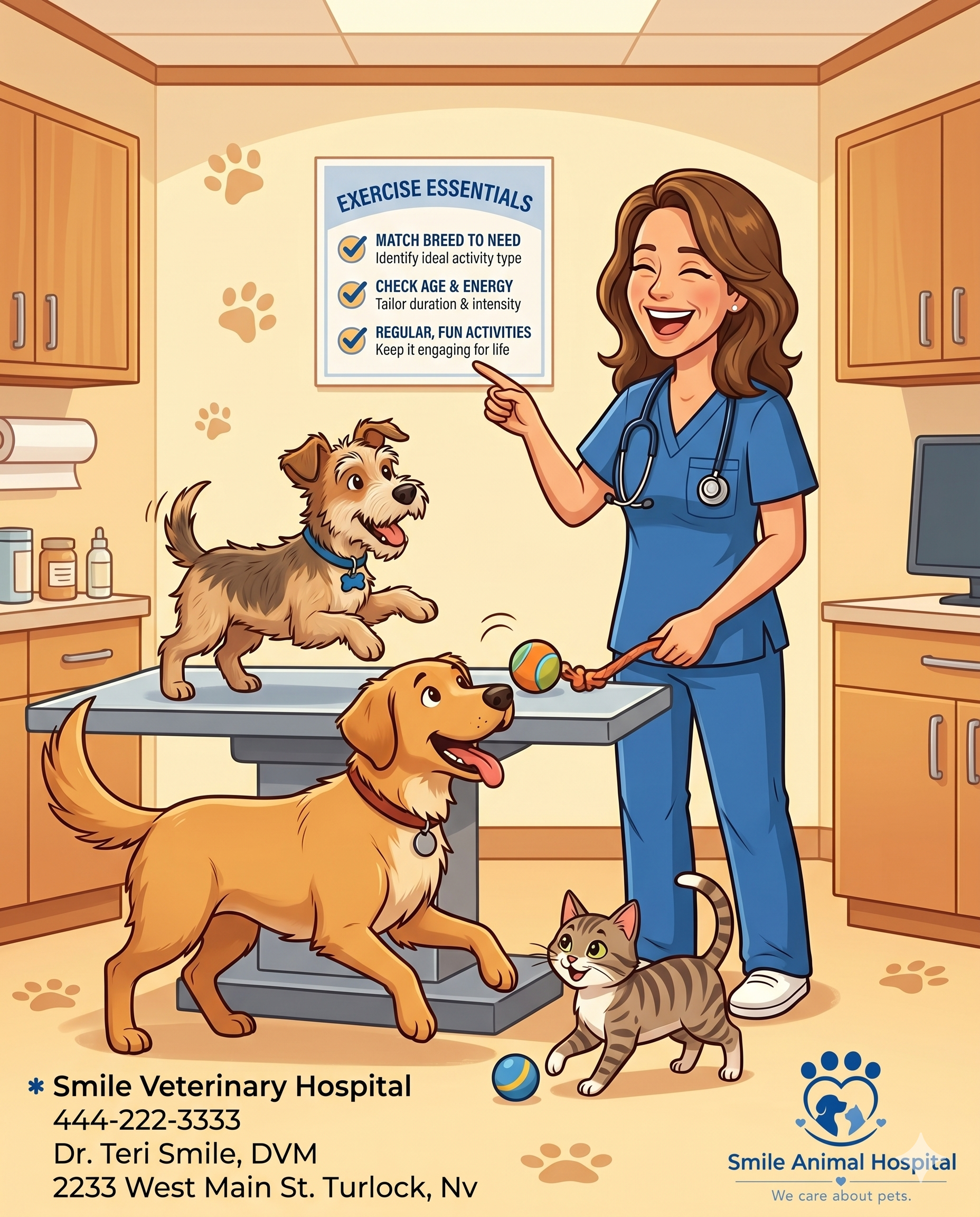
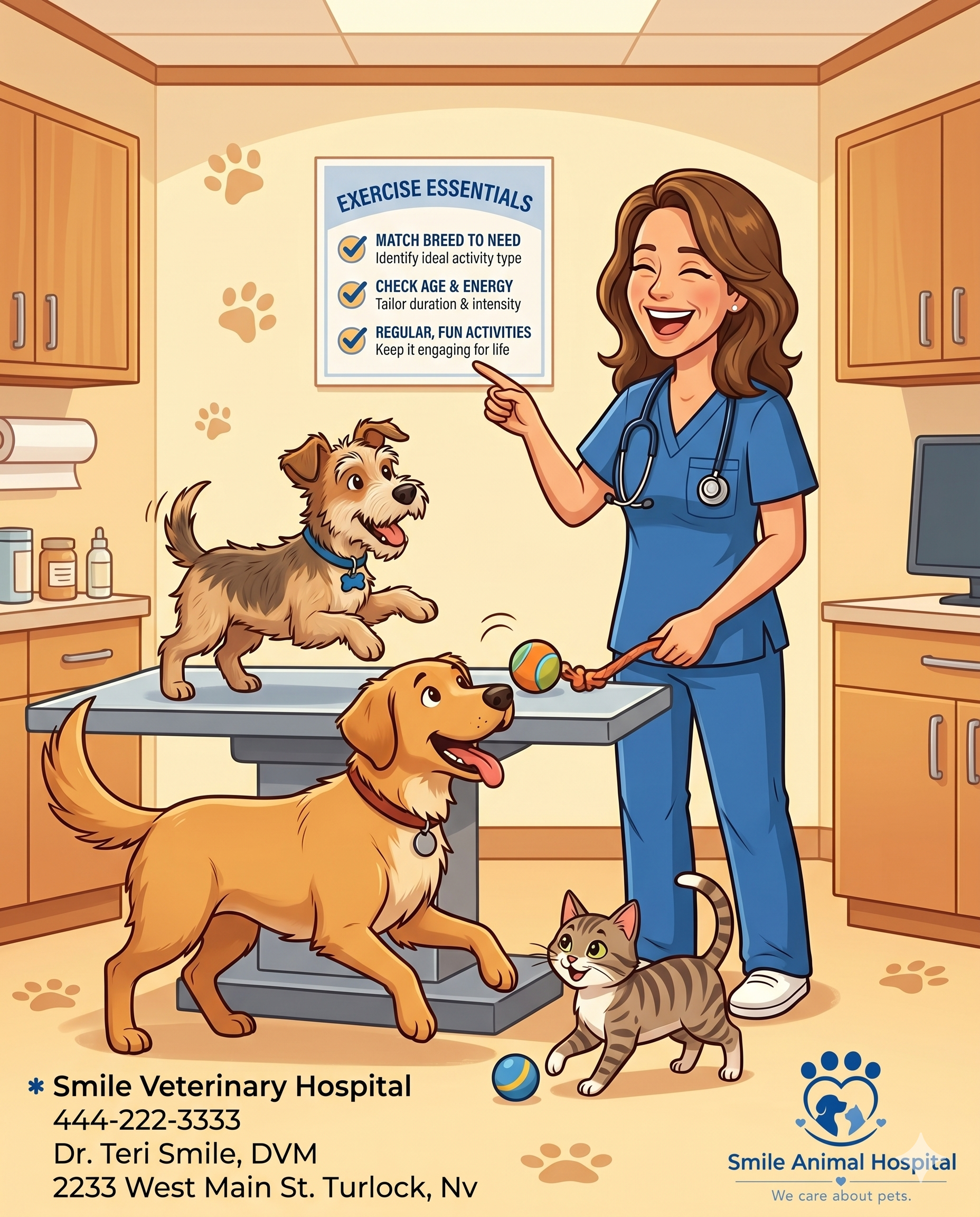
15. Exercise Essentials: Tailoring activity levels to your pet’s breed, age, and energy level. (use a different breed, including mutts)
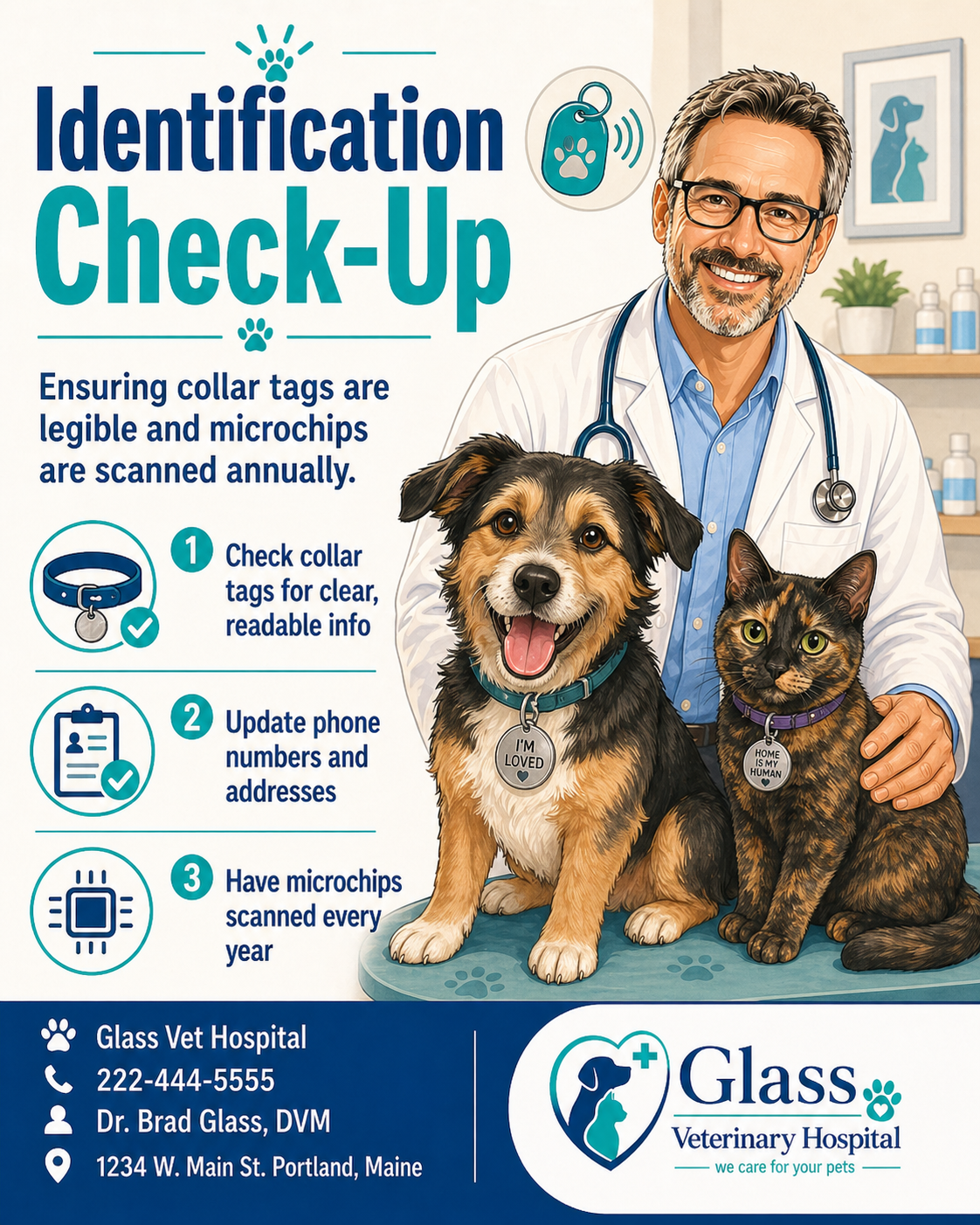
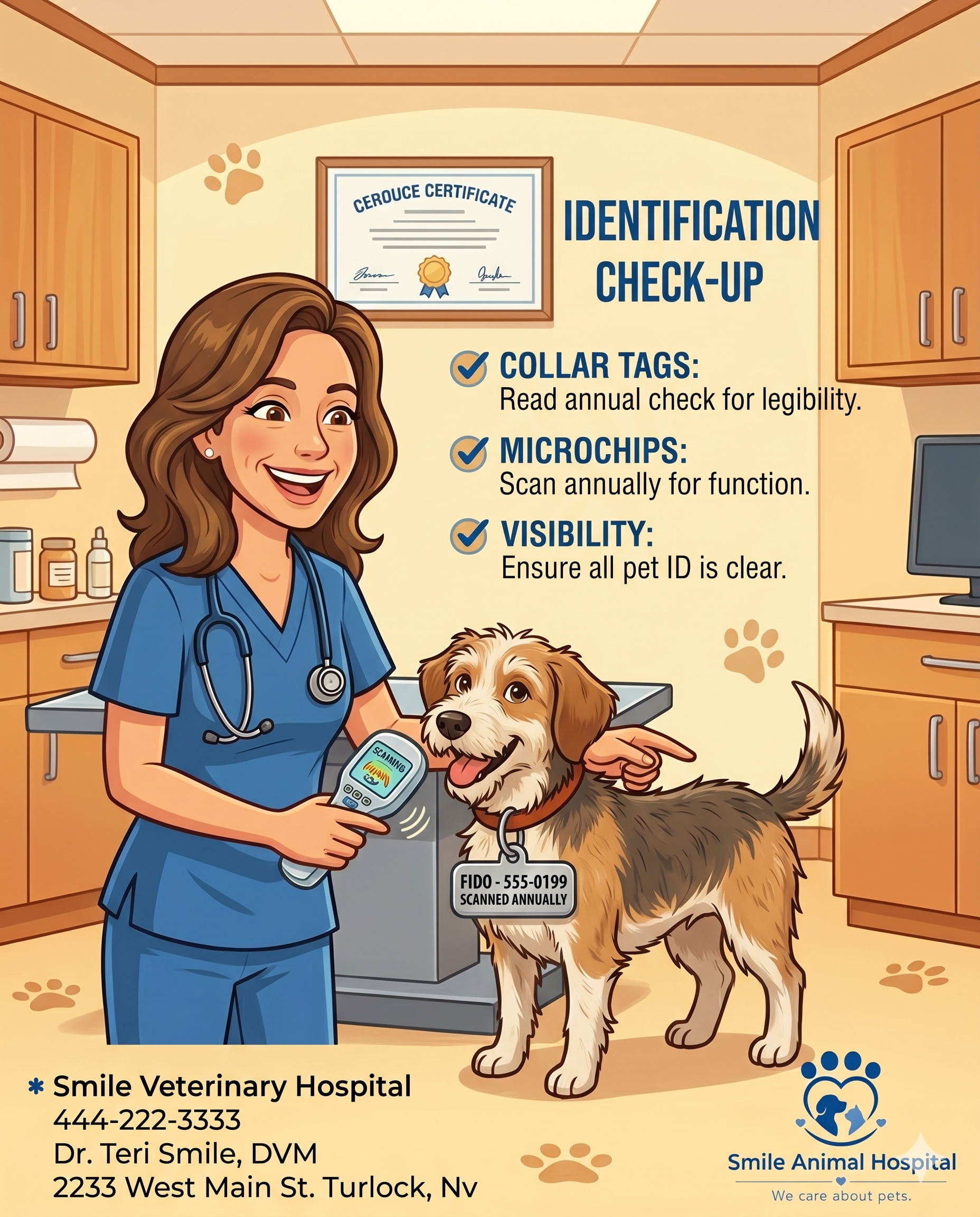
16. Identification Check-Up: Ensuring collar tags are legible, and microchips are scanned annually.
17. Travel Tips: Making car rides enjoyable and managing motion sickness for long trips.
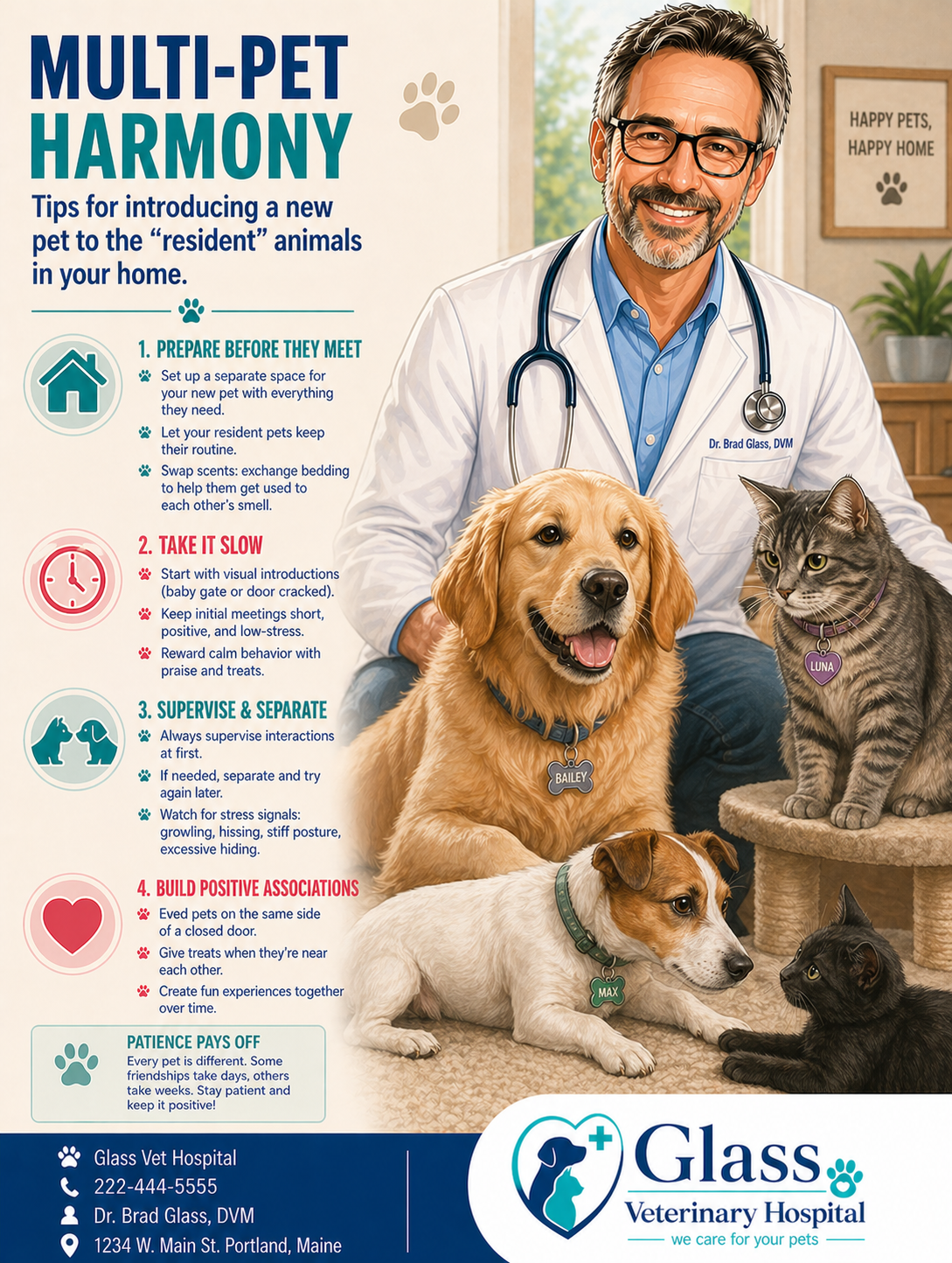
18. Multi-Pet Harmony: Tips for introducing a new pet to the "resident" animals in your home.
19. The Power of Play: Using interactive toys to prevent boredom and destructive chewing.
20. Digital Radiography (X-rays): Visualizing what the naked eye can’t see in bones and organs. (use a different breed, including mutts)
21. Ultrasound: A deep dive into abdominal health and heart function without surgery.
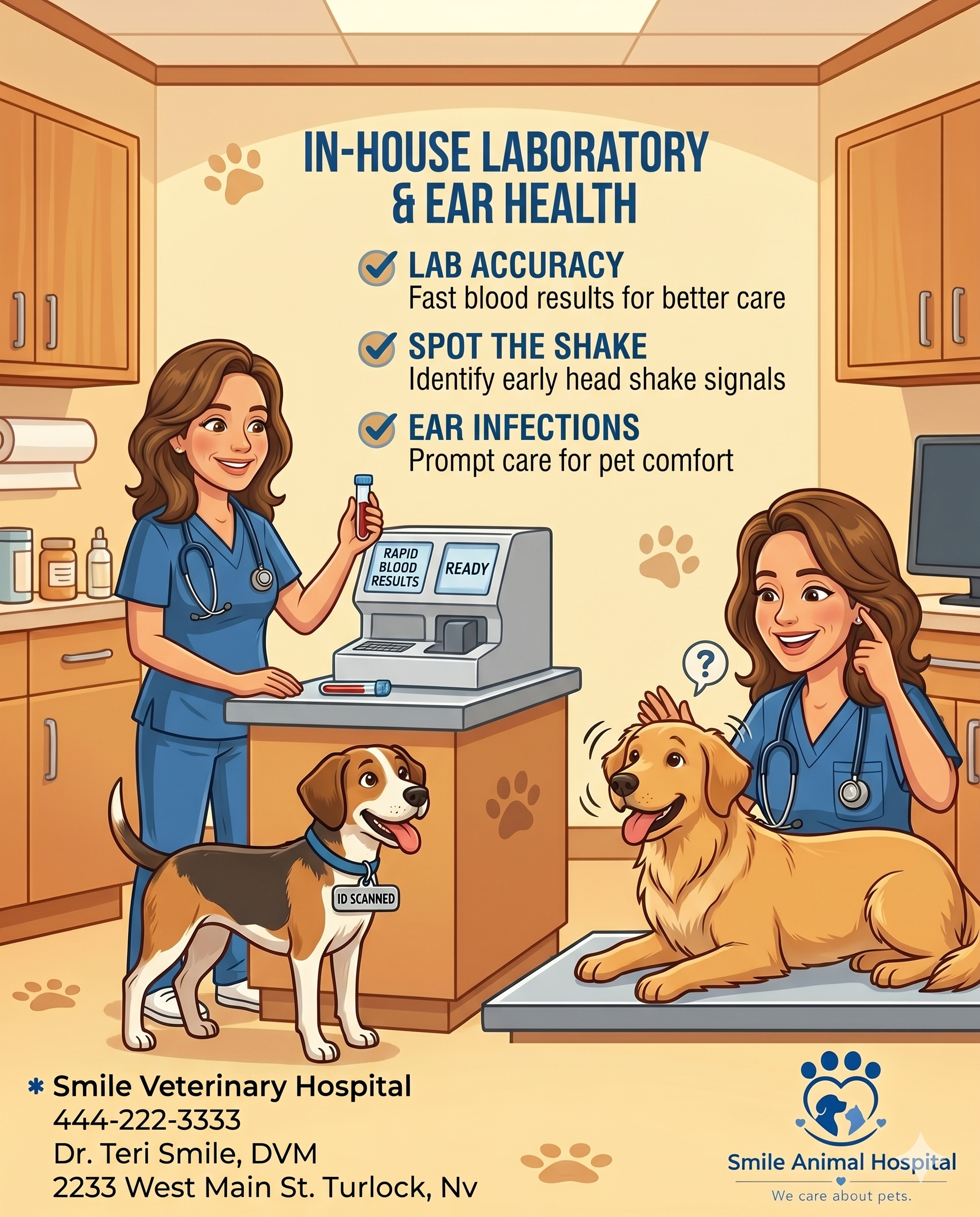
22. In-house Laboratory & Ear Health: Rapid blood results and spotting "the head shake" that signals ear infections.
23. Urinalysis: Why a "pee sample" is the best window into kidney and bladder health.
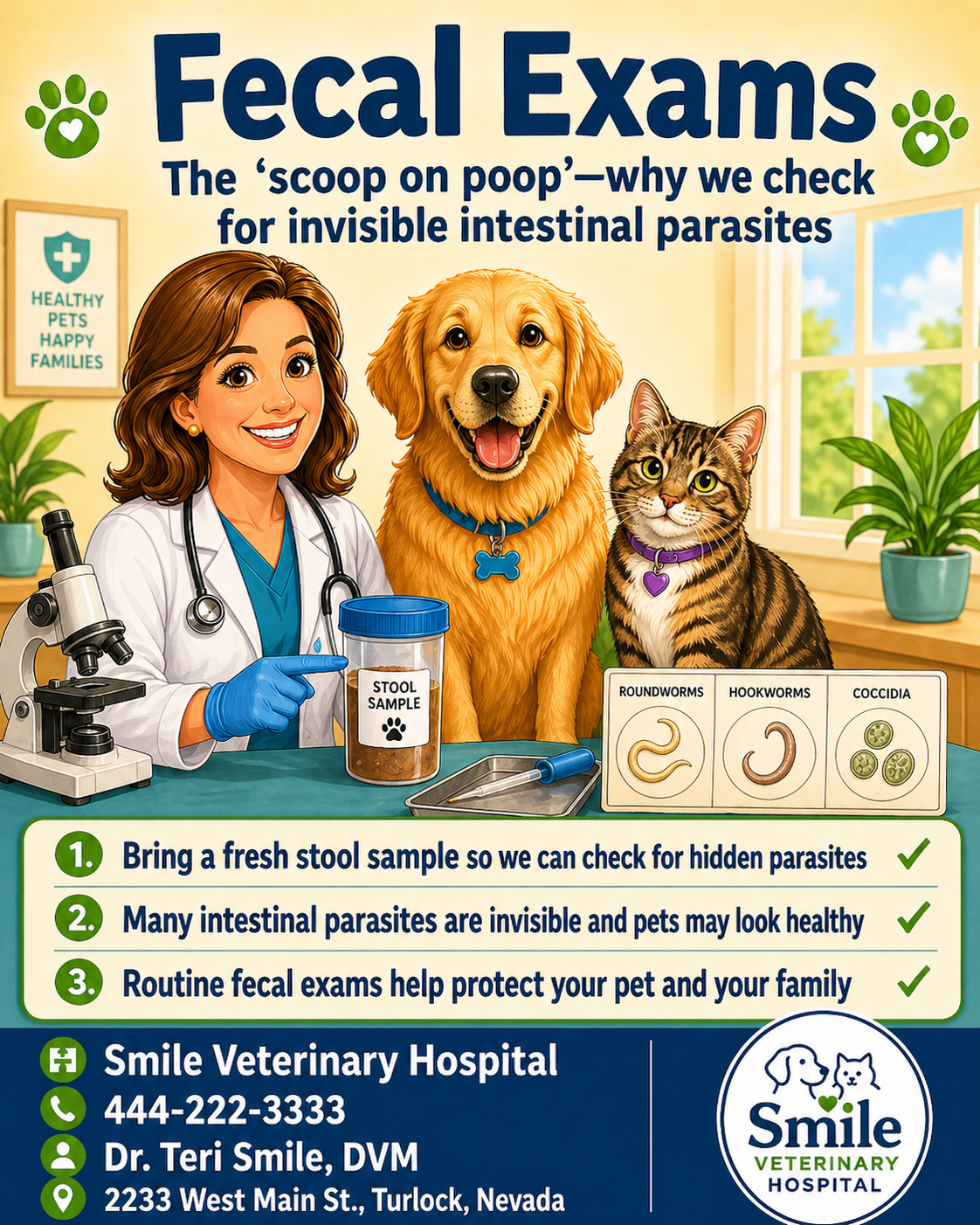
24. Fecal Exams: The "scoop on poop"—why we check for invisible intestinal parasites.
25. Heartworm Testing: Why an annual blood test is vital, even if your pet is on prevention. (use a different breed, including mutts)
26. Allergy Testing & Toxic Plant Safety: Finding the source of the itch and removing "pretty but poisonous" plants.
27. Cytology & Shedding Solutions: Analyzing skin cells and tips for managing the "fur-nado" in your house.
28. Tonometry: Screening for glaucoma by measuring eye pressure—important for certain breeds.
29. Blood Pressure & Winter Wellness: Managing hypertension and protecting pets from antifreeze and ice.
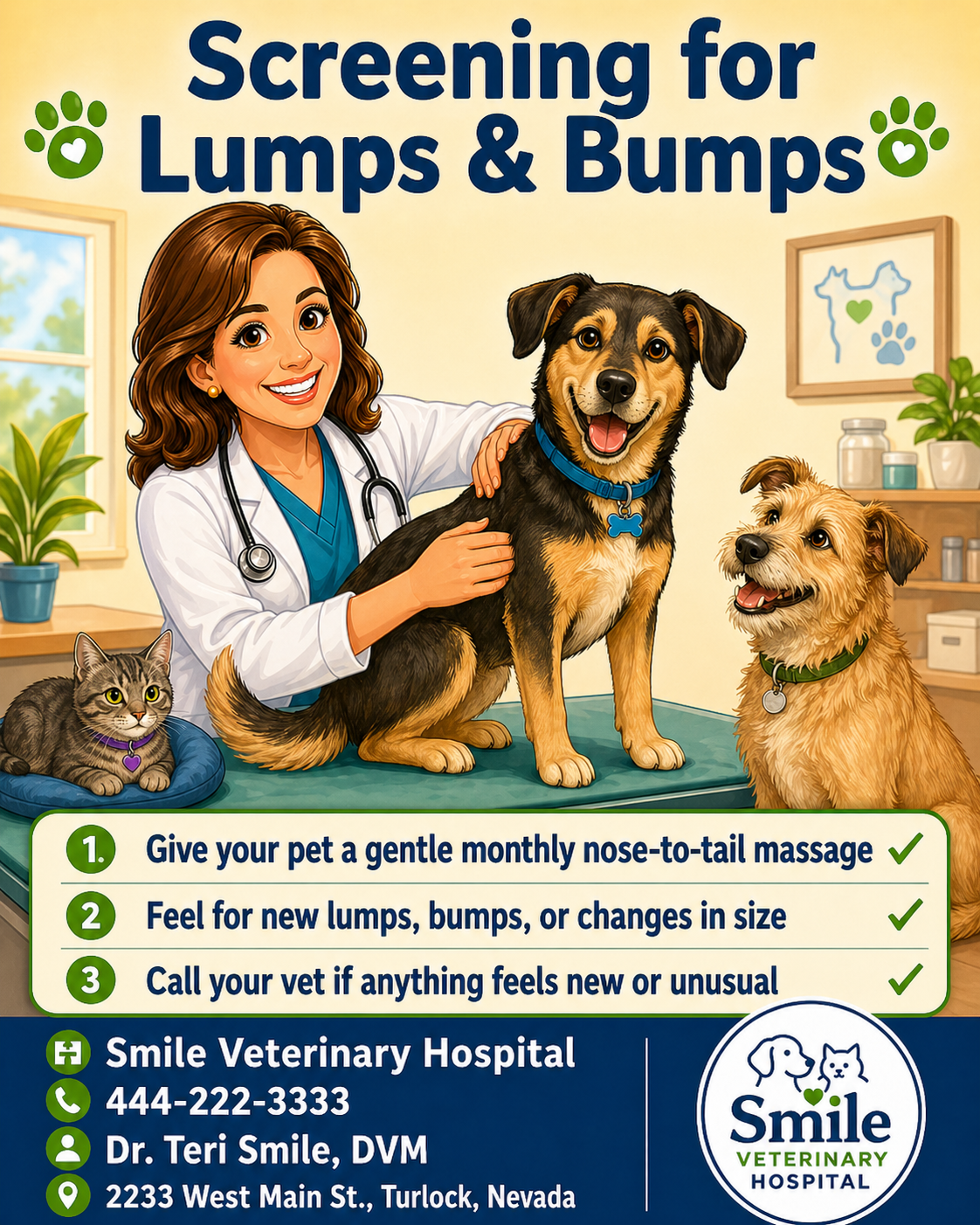
30. Screening for Lumps & Bumps: How to do a "monthly massage" to find new growths early. (use a different breed, including mutts)
31. Why Pre-Anesthetic Bloodwork? Understanding why we check organ function before surgery.
32. The Scoop on Samples: Practical tips for owners on how to collect a clean urine or stool sample at home.
33. Genetic Testing: Exploring DNA kits to understand breed-specific health risks.
34. Understanding Blood Glucose: How we monitor and manage diabetic pets through diagnostic testing.
35. Why We Repeat Tests: Understanding the value of "re-checks" to ensure a treatment is working. (use a different breed, including mutts)
36. Spay Surgery: Understanding how a dedicated technician monitors vitals—including heart rate, oxygen levels, and blood pressure.
37. Neuter Surgery: Reducing roaming behaviors and preventing testicular cancer.
38. Dental Cleaning & Brushing Up: Professional scaling and at-home "finger brushing" techniques.
39. Dental Radiography: Seeing "the iceberg" beneath the gumline to find hidden tooth pain.
40. Tooth Extractions: Why removing a diseased tooth is often the kindest thing for your pet. Info should be only for animals. (use a different breed, including mutts)
41. Soft Tissue Surgery: Expert care for mass removals and wound repairs.
42. Orthopedic Surgery & Small Breed Care: Managing ACL tears and luxating patellas in little dogs. (use only dogs)
43. Gastrointestinal Surgery & Playtime Precision: Removing "foreign bodies" (like socks!) and choosing safe toys.
44. Anesthesia & Grooming Goodness: Monitoring vitals and why professional grooming helps spot skin issues.
45. Post-Op Care 101: How to keep your pet quiet and "cone of shame" alternatives. (use a different breed, including mutts)
46. Monitoring the Incision: What a healing surgical site should (and shouldn't) look like.
47. Doggy Breath Isn't Normal: Identifying the Early Warning Signs of Periodontal Disease. (use only dogs)
48. The Pre-Surgical Fast: Why "no breakfast" is the most important rule on surgery day.
49. Pain Management in Surgery: How we use "multi-modal" pain relief to ensure a comfortable recovery.
50. Laser Surgery Benefits: Discussing how laser tech can reduce bleeding and swelling during procedures. (use a different breed, including mutts)
51. Internal Medicine: Managing complex, long-term conditions like Addison’s or kidney disease.
52. Dermatology: Solving the "itch-scratch cycle" with specialized skin protocols.
53. Cardiology: Detecting murmurs early and managing congestive heart failure.
54. Oncology: Hope and advanced care for pets facing a cancer diagnosis.
55. Ophthalmology: Treating corneal ulcers and managing "dry eye" for comfort. (use a different breed, including mutts)
56. Endocrinology: Balancing hormones in pets with thyroid or Cushing’s disease.
57. Pain Management: Identifying subtle signs of arthritis—like "slowing down" on walks.
58. Laser Therapy: Using light energy to speed up healing and reduce chronic inflammation.
59. Acupuncture & Alternative Care: Integrating ancient medicine for modern pain relief.
60. Physical Rehabilitation & Exotic Care: Post-op recovery exercises and unique care for birds and bunnies. (use a different breed, including mutts)
61. Managing Seizures: What to do when a seizure happens and how we treat epilepsy.
62. Chronic Kidney Disease (CKD): Ways to encourage hydration and the importance of renal diets.
63. Cognitive Dysfunction: Helping senior pets who seem "confused" or pace at night.
64. Understanding Inhalant Allergies: How pollen and dust affect your pet’s skin, not just their nose.
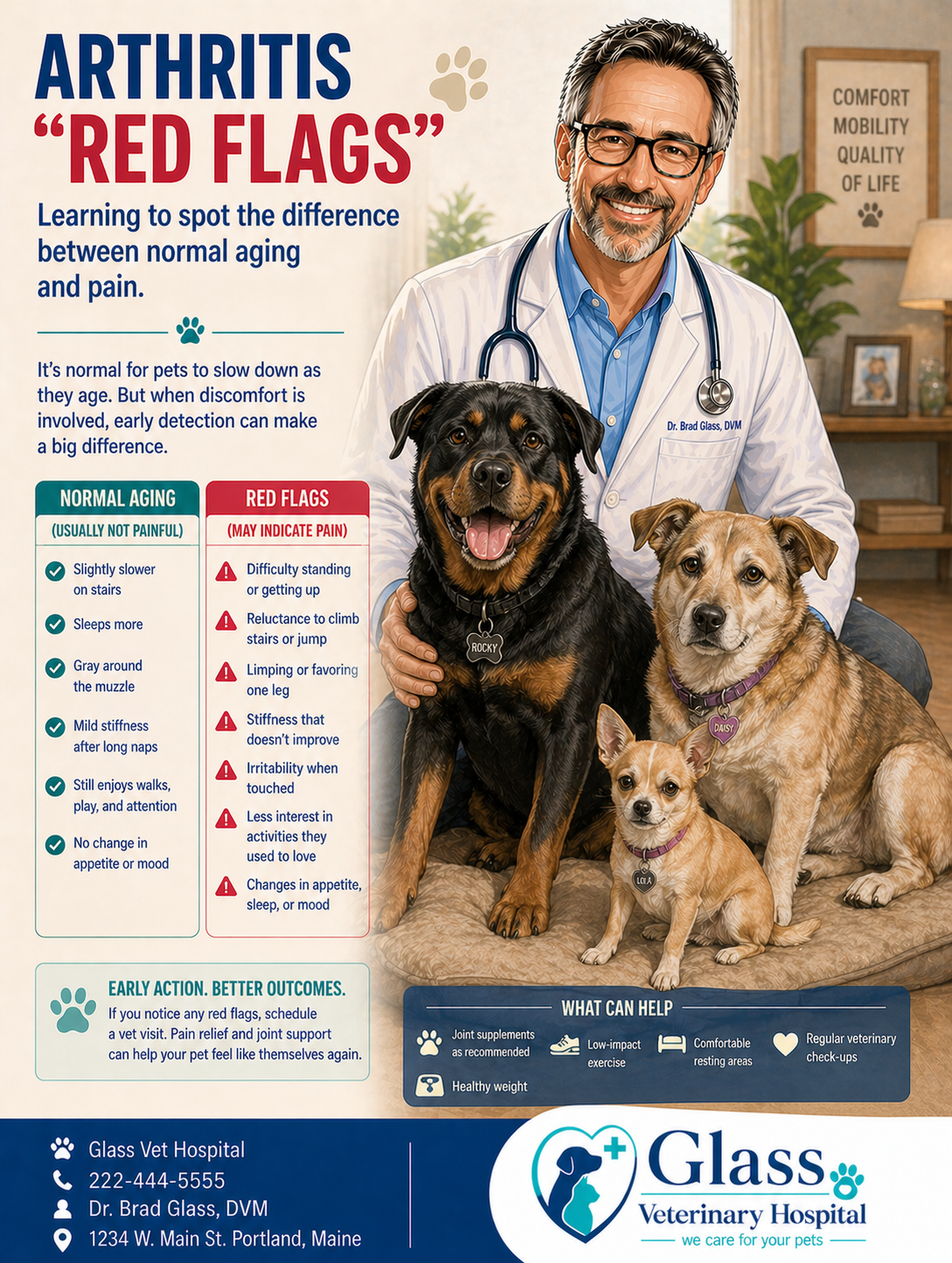
65. Arthritis "Red Flags": Learning to spot the difference between normal aging and pain. (use a different breed, including mutts)
66. Managing "Hot Spots": Quick action steps to take when a skin irritation flares up overnight.
67. The Importance of Eye Exams: Why squinting or cloudiness is always a medical emergency.
68. Insulin Storage & Safety: Critical tips for owners of diabetic pets on handling medication correctly.
69. Supplement Savvy: Which vitamins and joint supplements are actually backed by science? Always ask your vet.
70. Urgent Care & Hydration: Recognizing dehydration and when a "wait and see" approach isn't safe. (use a different breed, including mutts)
71. Wound Care & First Aid: Cleaning minor scrapes and what to keep in a pet emergency kit.
72. Oxygen Therapy & Disaster Prep: Critical respiratory support and evacuation checklists for pets.
73. Hospice/Palliative Care: Prioritizing quality of life and comfort in a pet’s final chapter.
74. Euthanasia & Aftercare: Compassionate end-of-life choices and honoring your pet’s memory.
75. Heatstroke Prevention: Recognizing the signs of "overheating" before it becomes fatal. (use a different breed, including mutts)
76. Chocolate Toxicity: A guide to why chocolate is dangerous and what to do if it is ingested.
77. The "Big 5" Household Toxins: Grapes, onions, laundry pods, lilies, and poisonous baits.
78. Bee Stings & Bug Bites: When to use Benadryl (with vet approval) and when to rush in.
79. Recognizing "Bloat" (GDV): The life-saving signs of a distended abdomen in large breeds. (use only dogs)
80. Safe Transport: How to safely move an injured or painful pet without getting bitten. (use a different breed, including mutts)
81. Holiday Safety: Keeping pets away from tinsel, turkey bones, and stressful parties.
82. Summer Water Safety: Pool safety, life jackets, and the dangers of blue-green algae.
83. Rat Poison Warning: Why "pet-safe" rodenticides are often still dangerous if ingested.
84. Foreign Body Red Flags: Signs your pet may have swallowed something they shouldn't have.
85. Dealing with GI Upset: When a "bland diet" is okay and when vomiting requires a vet visit. (use a different breed, including mutts)
86. Fire Safety for Pets: Using window decals and keeping leashes near the door.
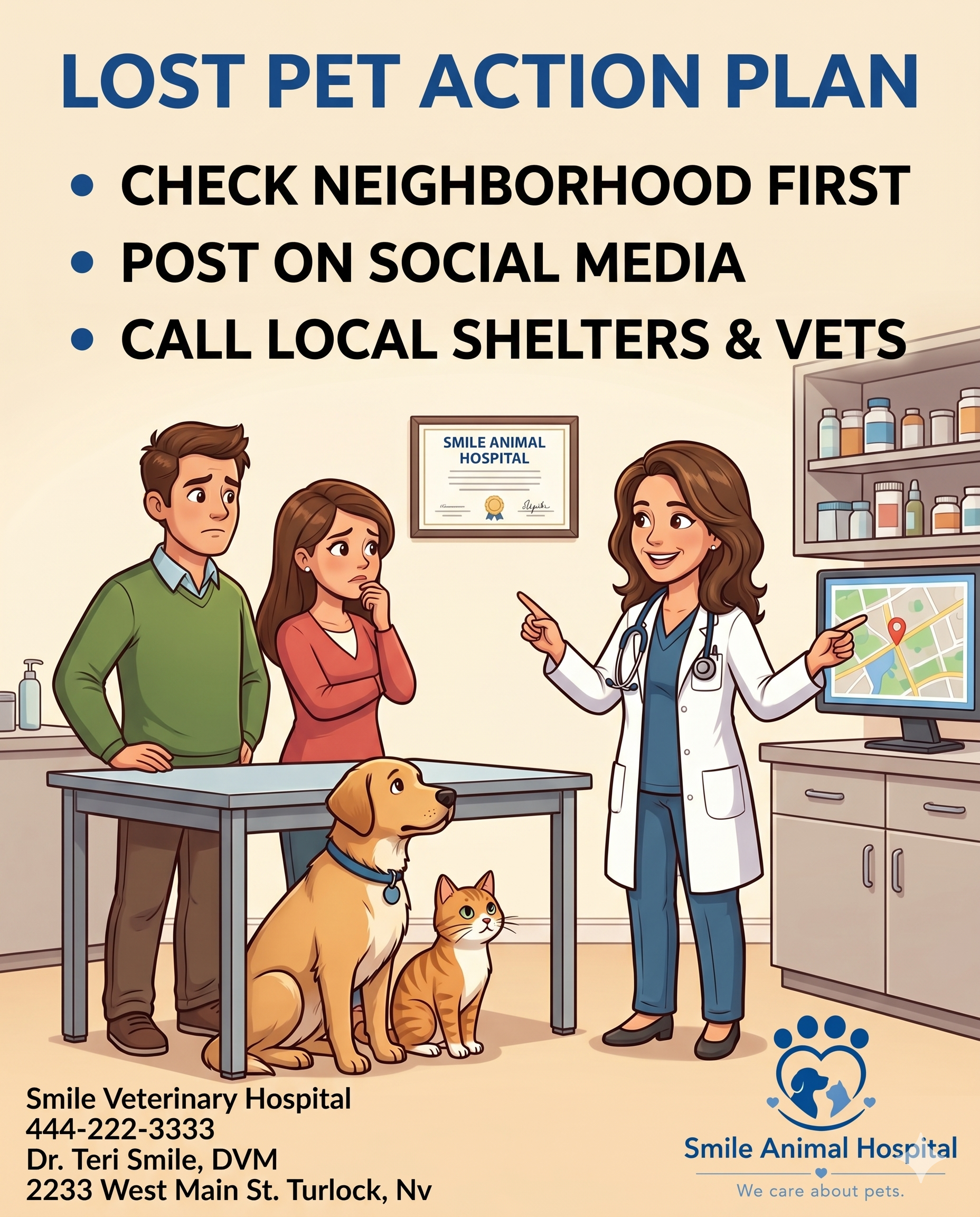
87. Lost Pet Action Plan: The first five things you should do if your pet goes missing.
88. Pet Loss Support: Resources for owners grieving the loss of a furry family member.
89. Making a "Pet Trust": Ensuring your pet is cared for if something happens to you.
90. The Veterinary Team: A shout-out to the techs, assistants, and receptionists who care for your pets! (use a different breed, including mutts)
Bonus: Holiday Prompts!
Use these prompts to easily announce your holiday hours and let clients know if you’ll be open or closed.
New Year’s Eve
Prompt:
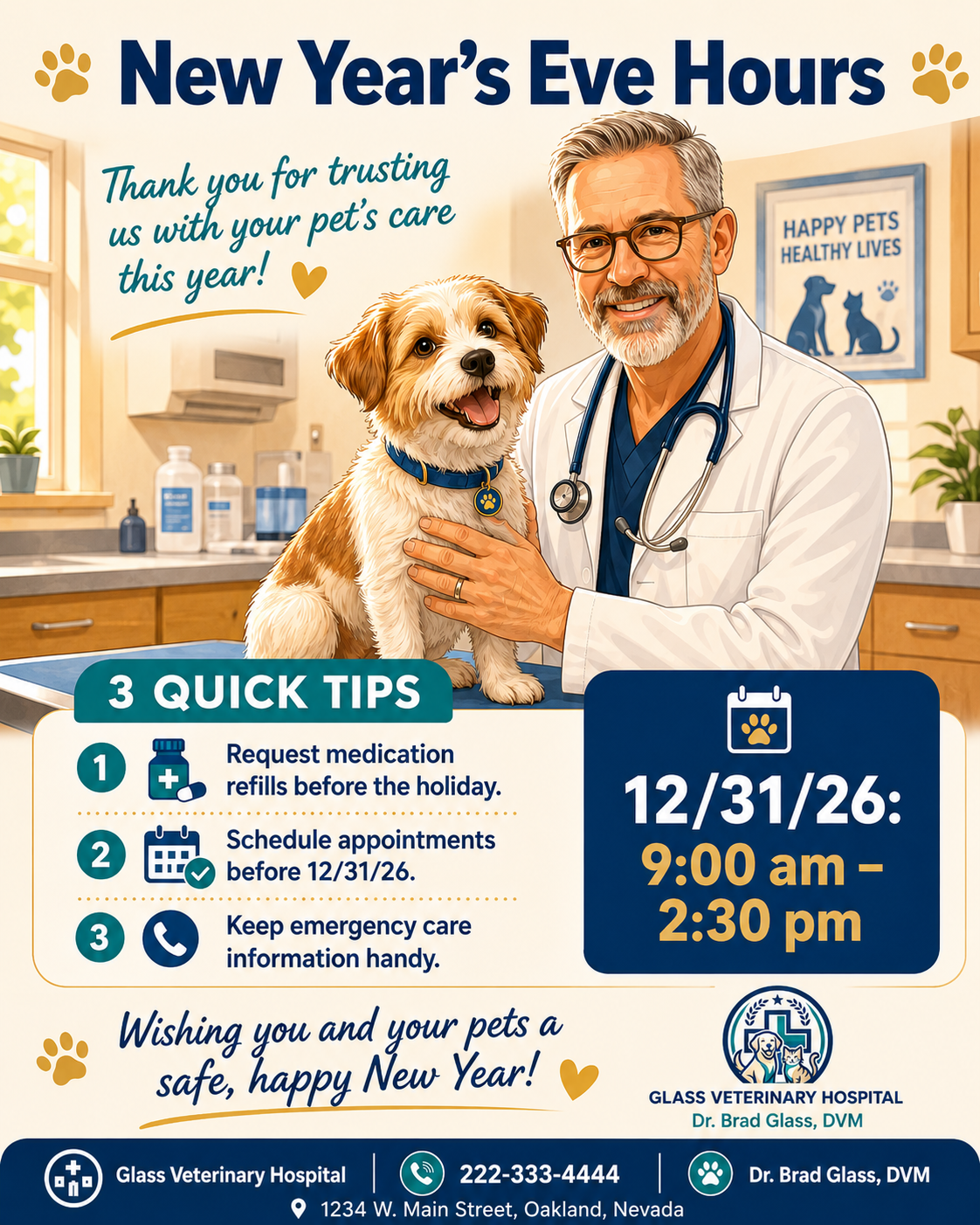
Create a short, friendly Facebook post for a veterinary hospital announcing our New Year’s Eve hours: [DATE / HOURS]. Remind clients to request medication refills, schedule appointments before the holiday, and keep emergency care information handy. Include a warm year-end message.
New Year’s Day
Prompt:
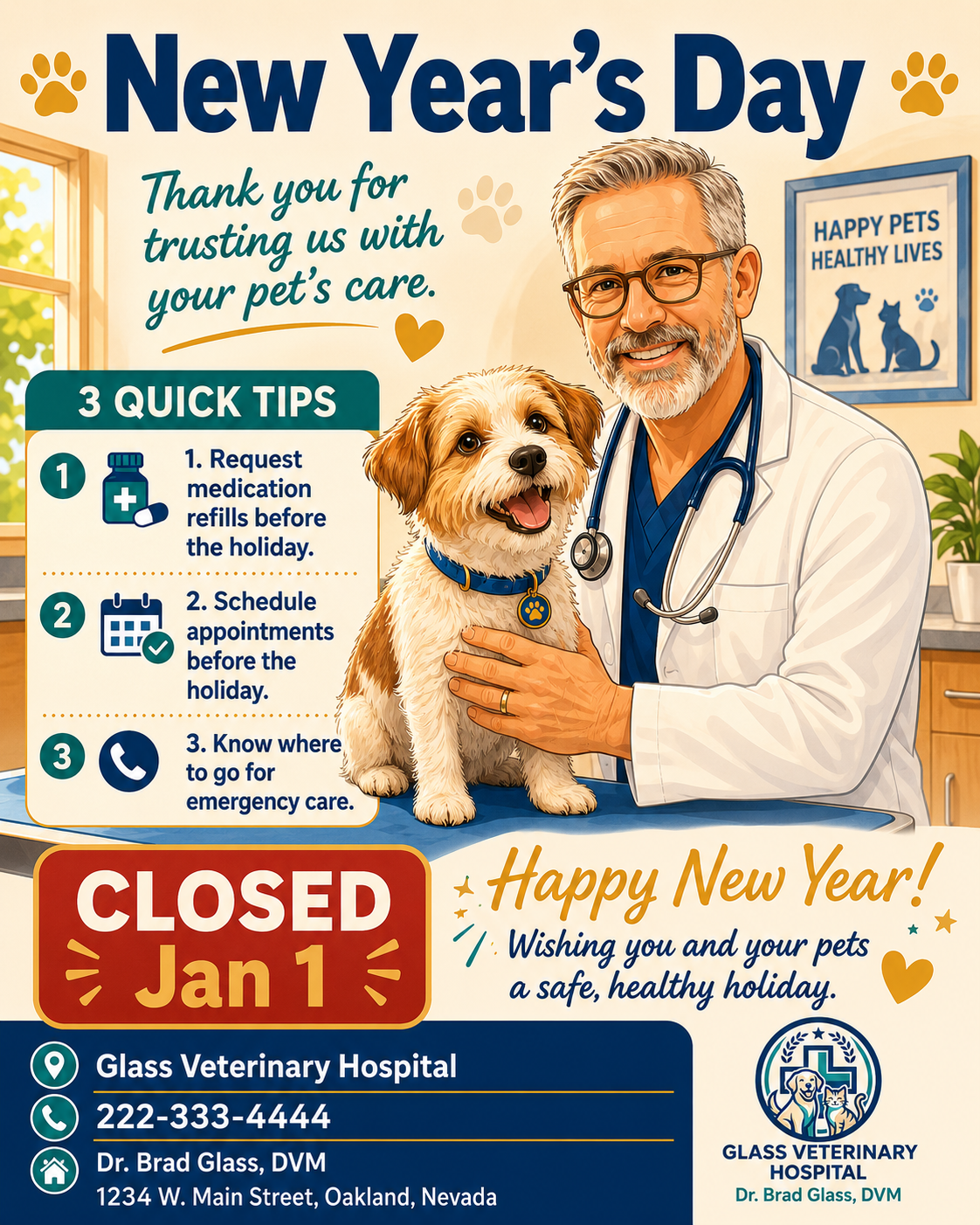
Create a short, friendly Facebook post for a veterinary hospital announcing we will be closed for New Year’s Day on [DATE]. Remind pet owners to request medication refills, schedule appointments before the holiday, and know where to go for emergency care. Include a warm Happy New Year message.
Martin Luther King Jr. Day
Prompt:
Create a short, professional Facebook post for a veterinary hospital announcing we will be closed for Martin Luther King Jr. Day on [DATE]. Remind clients to plan ahead for medication refills, appointments, and emergency care needs.
Presidents’ Day
Prompt:
Create a short, friendly Facebook post for a veterinary hospital announcing we will be closed for Presidents’ Day on [DATE]. Remind pet owners to request refills, schedule appointments before the holiday, and keep emergency contact information handy.
Easter
Prompt:
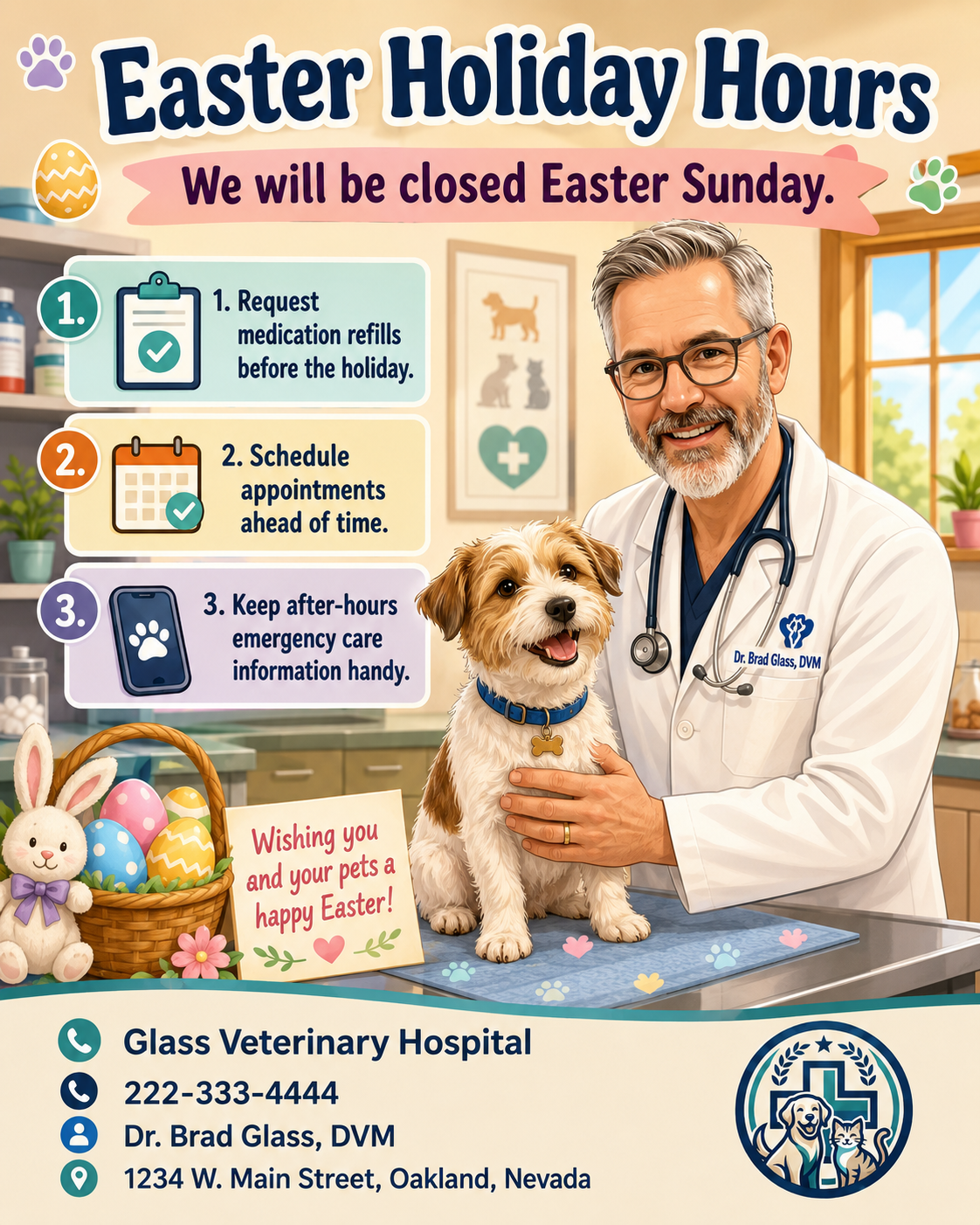
Create a short, warm Facebook post for a veterinary hospital announcing our Easter holiday hours: [DATE / HOURS]. Remind pet owners to plan ahead for medication refills, appointments, and after-hours emergency care. Include a gentle Easter greeting.
Memorial Day
Prompt:
Create a short, respectful Facebook post for a veterinary hospital announcing we will be closed for Memorial Day on [DATE]. Remind clients to plan ahead for medications, appointments, and emergency care information. Keep the tone grateful and professional.
Juneteenth
Prompt:
Create a short, professional Facebook post for a veterinary hospital announcing we will be closed for Juneteenth on [DATE]. Remind pet owners to request refills, schedule appointments, and save emergency care information before the holiday.
Independence Day / Fourth of July
Prompt:
Create a short, friendly Facebook post for a veterinary hospital announcing we will be closed for Independence Day on [DATE]. Remind pet owners to request medication refills, prepare for pets afraid of fireworks, and know where to go for emergency care.
Labor Day
Prompt:
Create a short, friendly Facebook post for a veterinary hospital announcing we will be closed for Labor Day on [DATE]. Remind clients to plan ahead for medications, appointments, and emergency care needs before the long weekend.
Veterans Day
Prompt:
Create a short, respectful Facebook post for a veterinary hospital announcing we will be closed for Veterans Day on [DATE]. Remind pet owners to plan ahead for medications, appointments, and emergency care information. Include a brief thank-you to veterans.
Thanksgiving
Prompt:
Create a short, warm Facebook post for a veterinary hospital announcing we will be closed for Thanksgiving on [DATE]. Remind clients to request medication refills, schedule appointments before the holiday, and know where to go for emergency care. Include a grateful Thanksgiving message.
Day After Thanksgiving
Prompt:
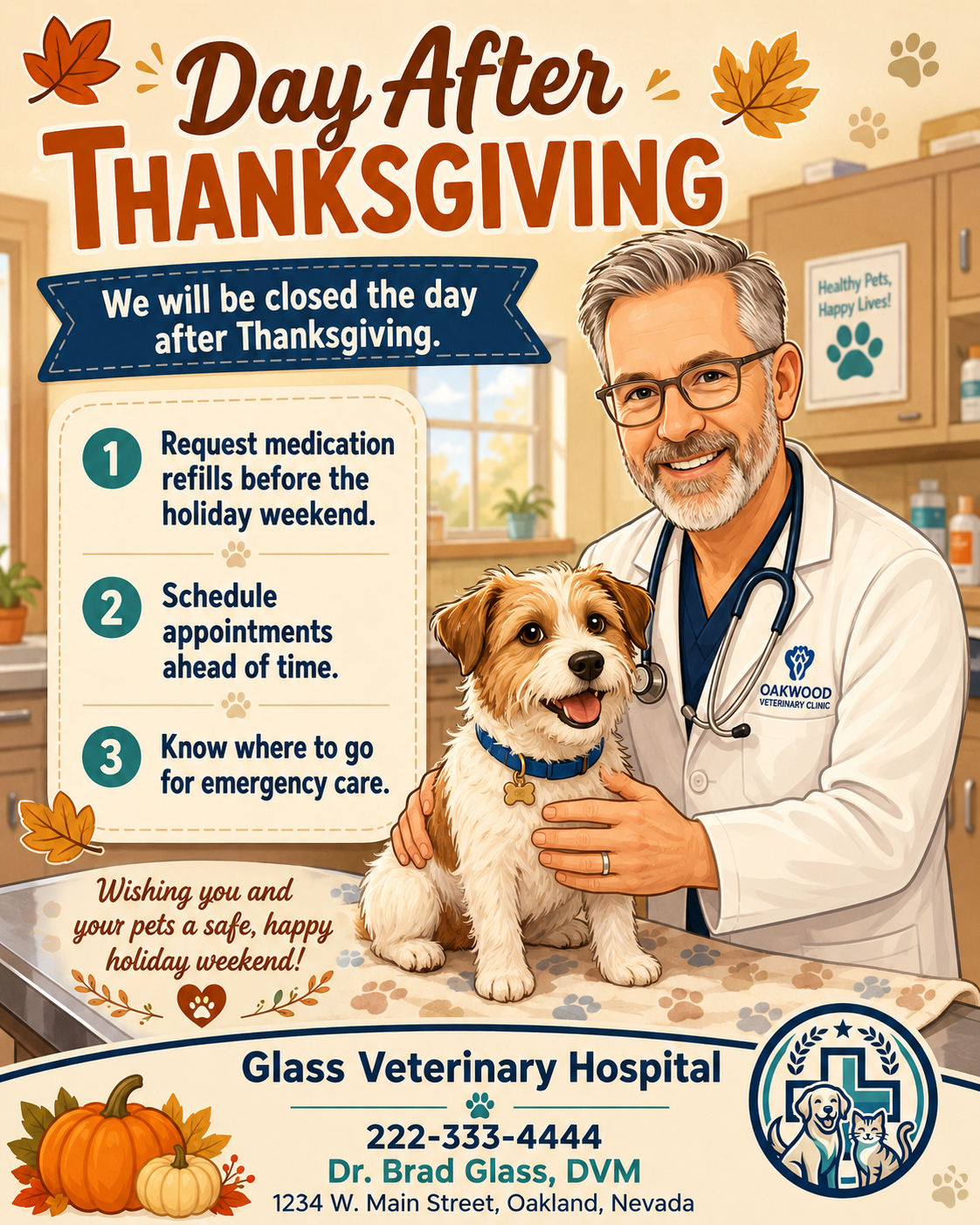
Create a short, friendly Facebook post for a veterinary hospital announcing we will be closed the day after Thanksgiving on [DATE]. Remind pet owners to plan ahead for refills, appointments, and emergency care needs before the holiday weekend.
Christmas Eve
Prompt:
Create a short, warm Facebook post for a veterinary hospital announcing our Christmas Eve hours: [DATE / HOURS]. Remind clients to request medication refills, schedule appointments before the holiday, and save emergency care information. Include a kind Christmas message.
Christmas Day
Prompt:
Create a short, warm Facebook post for a veterinary hospital announcing we will be closed for Christmas Day on [DATE]. Remind pet owners to plan ahead for medications, appointments, and emergency care needs. Include a cheerful Merry Christmas message.